

Blues masterpieces—from prewar blues to blues rock

A wellspring of inspiration for rock ’n’ roll and a genre adored by the giants of music history, the blues is a style that reveals deeper and deeper richness the more you listen.
That said, even rock fans who are somewhat interested may feel there’s a high barrier to getting into it.
In this article, for those who are about to step into the world of the blues, we’ll present—at a glance—the essential classics and fan favorites you can’t skip when talking about the blues, spanning everything from prewar blues to Chicago blues and blues rock.
- A classic of Japanese blues. Japanese blues that lets you get drunk on the sound and vocals.
- Classic and popular blues songs to sing at karaoke
- Ranking of popular blues songs
- [2026] Masterpieces of Blues Rock: Recommended Albums You Should Listen to at Least Once
- A collection of enka songs with “Blues” in the title: masterpieces that sing of sorrow
- [Western Music] Classic Blues Rock Songs: A Summary of Recommended Popular Tracks
- Recommended for rock fans too! — A classic album of modern blues
- [For Beginners] A Collection of Famous and Popular Delta Blues Songs
- Timeless classics only! Showa-era hit songs perfect for acoustic sing-alongs
- Today's Jazz: Tunes for today! A selection of timeless classics and contemporary jazz
- Introduction! A collection of recommended masterpieces and standard numbers for jazz beginners
- [2026] A Collection of Classic Japanese Ballads with a Jazz Flavor
- Classic songs that sing about the past. Recommended popular tracks.
Blues Classics — From Prewar Blues to Blues Rock (51–60)
Hoochie Coochie ManMuddy Waters
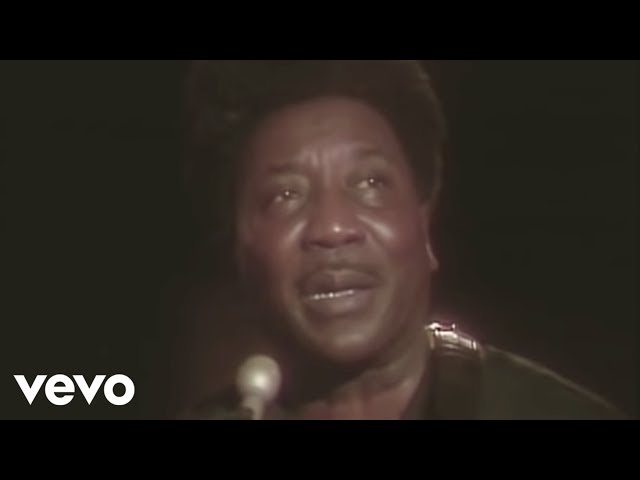
This work is a key track by Muddy Waters, a defining figure of Chicago blues.
Willie Dixon’s lyrics vividly reflect Southern culture, featuring hoodoo and gypsy prophecies.
Marked by a fierce guitar riff and Little Walter’s memorable harmonica, it was recorded on January 7, 1954, and reached No.
3 on that year’s R&B chart—becoming Waters’s biggest hit.
Its tense performance, using stop-time technique, would go on to heavily influence later rock music.
A highly recommended song for anyone who wants to fully savor the charm of the blues.
Double TroubleOtis Rush

Otis Rush was a guitarist and singer from Philadelphia, Mississippi.
“Double Trouble” is a classic minor-key blues, and Stevie Ray Vaughan—who was influenced by Otis Rush—used the title as his band’s name.
The video features a performance by Eric Clapton.
Devil Got My WomanSkip James

If there’s one signature song by Skip James, the legendary Delta blues singer, it’s this one.
It brims with the hallmarks of Delta blues—sincerity throughout—and its lyrics, portraying personal anguish, despair, and the struggle between good and evil, strike a deep chord.
The distinctive fingerpicking and soul-stirring vocals weave a soundscape that’s a must-hear even for those beyond blues fandom.
It was included on the 1968 album “Devil Got My Woman” and was also used in the 2001 film “Ghost World.” Highly recommended for anyone wishing to experience the essence of the blues or seeking a song that depicts the inner conflicts of the human heart.
I’m a King BeeSlim Harpo
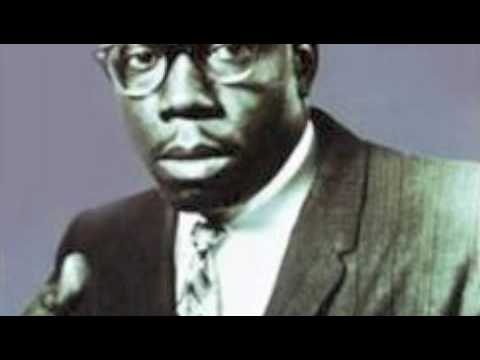
Known as a classic of swamp blues, this song is distinguished by its powerful sexual innuendo using a honeybee metaphor.
With a simple instrumental setup and rhythm, Slim Harpo’s distinctive harmonica and vocals stand out.
Released in 1957, it was later covered by many artists, including the Rolling Stones, cementing its status as a blues standard.
Its influence is immeasurable, having been inducted into the Grammy Hall of Fame in 2008.
It’s a must-listen for those who want to fully savor the allure of the blues or explore the roots of rock.
Blues Classics: From Prewar Blues to Blues Rock (61–70)
Dead Letter BluesSon House
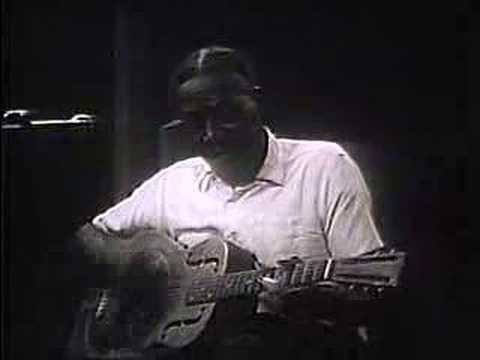
A track where you can feel the soulful cries of Son House, a key figure in Delta blues.
The protagonist’s profound grief and sense of loss upon receiving a letter about a loved one’s death are vividly conveyed through Son House’s powerful vocals and slide guitar.
Recorded in April 1965, it was included on the album Father of Folk Blues.
In 2019, a cover version was used as the theme song for HBO’s True Detective Season 3.
Highly recommended for those who want to experience the essence of the blues or seek songs that give voice to life’s sorrows.
Stomy MondayT-Bone Walker
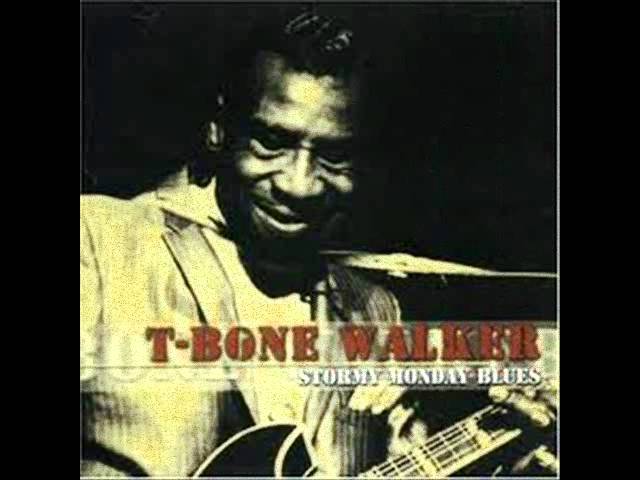
T-Bone Walker is a blues guitarist and singer from Texas.
“Stormy Monday” is a classic blues song, but I haven’t often seen amateur bands perform it.
With its jazz-inflected arrangement, it’s easy to see why he is called the father of modern blues—truly a masterpiece.
Statesboro BluesThe Allman Brothers Band

A song originally recorded by the once-popular blues musician Blind Willie McTell.
Duane Allman practiced this song many times and learned to play bottleneck slide guitar.
At his funeral, the song was performed on guitar by Dickey Betts.