

[Piano Recital] Recommended for Boys! A Curated Selection of Cool, Impressive, and Popular Pieces


Speaking of piano lessons, there used to be an image that they were for girls, but these days—perhaps due to the influence of video sites, social media, and the street piano trend—more and more boys want to learn piano as well.
As a result, many parents are enrolling their sons with the hope that “I want my son to be able to play too!” And one milestone they’ll almost certainly encounter is the piano recital.
In this article, we introduce stylish, stage-ready pieces that are perfect for boys as candidate pieces for the recital that every child taking piano lessons is bound to experience.
Why not pick out some possibilities early so your child can answer when the teacher asks, “Is there anything you’d like to play?”
- [For Elementary School Students] Brilliant, Showy Masterpieces That Sound Impressive at Piano Recitals
- [Intermediate Level] Cool Piano Pieces You Can Play [Great for Recitals Too]
- [For Piano Recitals] Simple yet Cool Classical Pieces
- [Piano Recital] Perfect Pieces for Middle Schoolers! A Curated Selection of Impressive, Audience-Pleasing Works
- [For 6-year-olds] A curated selection of standout pieces for piano recitals!
- It’s so cool if you can play these on the piano! A selection of irresistibly charming masterpieces.
- Piano Masterpieces: Surprisingly Easy Despite Sounding Difficult!? A Curated Selection Perfect for Recitals
- [Popular Piano] Capture the Audience’s Attention! Recommended Pop Songs That Shine at Piano Recitals
- [Piano Recital] Carefully Selected Classical Pieces Recommended for Upper Elementary School Students
- [For Intermediate Players] Challenge Yourself! Recommended Masterpieces That Shine at Piano Recitals
- [Beginner] Recommended Piano Pieces to Play at a Recital
- [Classical Music] All pieces under 3 minutes! A collection of short and cool piano pieces
- [For 5-year-olds] A curated selection of recommended pieces for a piano recital!
[Piano Recital] Recommended for Boys! Carefully Selected Popular Pieces That Are Cool and Impressive to Listen To (91–100)
30 Children’s Pieces: Toccatina, Op. 27 No. 12Dmitri Kabalevsky

Dmitry Kabalevsky, a Russian composer who left numerous piano pieces for children and books on music education, wrote 30 Pieces for Children, Op.
27.
The Toccatina, included as the 12th piece in this richly characterful collection, is a crisp and rhythmic work.
A “toccatina” is a small, improvisatory piece.
This work stands out for its improvisatory lightness, and it calls for clear contrasts by distinctly articulating slurs and staccatos.
Enjoy performing it while savoring Kabalevsky’s characteristic folk-inspired rhythms.

SummerHisaishi Joe
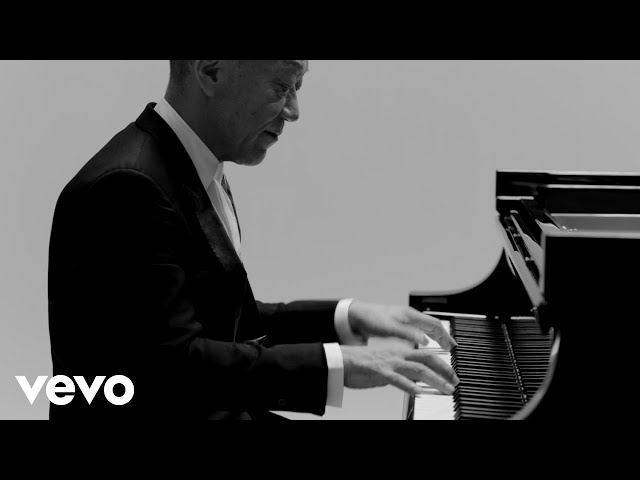
The piano piece composed for the film “Kikujiro” has become beloved as a classic that captures the refreshing brightness of summer and the warmth of unexpected encounters.
Carried by a clear, uplifting rhythm, it traces the journey and inner growth of an innocent boy, vividly portraying the drama of life through its tones.
After the film’s release, it was featured in many commercials; in Toyota Corolla’s ad, it aired alongside the tagline “The thrill of being able to change.” Simple yet profound, the melody has a resonant charm that touches listeners’ hearts.
Expressing summertime scenes through a boy’s eyes, the piece conveys nostalgia and a touch of wistfulness through its warm timbre and exquisite harmonies.
It’s recommended for those who wish to savor a gentle atmosphere and a refreshing afterglow.
Children’s Album, Book I “A Picture Book from Boyhood”: No. 7 Wooden Horse (Cavalry)Aram Khachaturian

This work features a lively triple meter that races along with buoyant energy, beautifully capturing the children’s innocent playfulness.
Rich in narrative character, it deftly depicts through music the swaying sensation of a child riding a hobby horse and the exhilaration of playing cavalry.
Selected from a collection of piano miniatures composed in 1926, it is rhythmical yet imbued with a mysterious atmosphere that captivates listeners and won’t let go.
Despite its simple accompaniment, it possesses a distinctive charm, making it an ideal piece to include in the performance repertoire of piano learners.
Viennese WaltzGillock William

“Viennese Waltz” from William Gillock’s piano collection Album for the Young, a composer and music educator who made major contributions and left many piano pieces for children.
Though short, this piece lets you enjoy a Romantic-style elegant melody with dramatic development.
It takes some practice to internalize the characteristic waltz rhythm, but the work is not technically difficult, so it should be approachable for beginner pianists.
Once you’ve got the rhythm, experiment with dynamics and seek out your own expressive interpretation.

Third movement from Sonatina, Op. 36 No. 1Muzio Clementi

Movement No.
3, which begins with a light touch and features a bright, vibrant melody, is a refined piece that adds brilliance to any piano recital.
Technically approachable for practice and rich in opportunities for lively expression, it has been loved by many pianists since its publication in 1797.
Its logical flow—from exposition to development and recapitulation—also makes it suitable for learning the basic forms of classical music.
It is a work I highly recommend to those aiming for a brisk, energetic performance.
By improving finger independence and mastering fast passages, you will truly experience the joy of playing.
Waltz No. 6 in D-flat major, Op. 64 No. 1 “Minute Waltz”Frederic Chopin

Familiar under the title “Minute Waltz,” the Waltz No.
6 in D-flat major, Op.
64-1, is said to have been improvised by Frédéric Chopin to depict his lover George Sand’s dog spinning in circles as it chased its own tail.
With its charming character and lively tempo, it’s a perennial favorite among children learning piano.
To achieve even, well-shaped notes, it’s essential not only to practice consistently but also to choose fingerings that allow the fingers to move smoothly.
By committing to correct fingerings from the score-reading stage, you’ll be able to increase the tempo naturally and without strain!
The Confectionery World, No. 14: “Demon Arare”Yuyama Akira

This is a short piece included on the album “The World of Sweets,” notable for its glittering, hard-edged piano sound.
Composed in 1973, the work creates a highly original sound world that brilliantly fuses Japanese and Western elements within a brief span of 1 minute and 25 seconds.
It opens in A minor with a 4/4 meter, achieving a hard, springy sonority through skillful use of dissonance and staccato.
With three-voice textures, complex rhythms, and thematic variations, it combines performance difficulty with strong appeal.
Frequently performed at recitals and competitions, it is cherished as a piece that tests expressive ability.
Highly recommended for those seeking fresh facets of classical music, it makes an effective closer for a program.