

Cello Masterpieces: A comprehensive introduction to exquisite classical works that let you savor its profound timbre

The cello is said to resemble the male voice and can be played across a wide range of four to five octaves.
Many people love the cello’s soft, warm tone with its rich depth.
This time, we’re spotlighting famous pieces for the cello!
We’ll introduce a broad selection, from the calm, measured works of the Baroque era to modern and contemporary pieces that mix a variety of techniques.
Why not spend a peaceful night drifting off to sleep, or a refreshing morning waking up, accompanied by the comforting sound of the cello?
- [Masterpiece Classics] A special showcase of gem-like masterpieces so beautiful they’ll move you to tears
- [Quartet] Masterpieces and Popular Pieces for String Quartet
- Classical Masterpieces: Recommended Works You Should Hear at Least Once
- Cool classical masterpieces. Recommended classical music.
- A poignant classic masterpiece. Recommended classical music.
- Brahms's masterpieces. Popular classical music.
- Sweet, gentle tones and resonance: A selection of enchanting classical guitar masterpieces
- Timelessly beautiful classical masterpieces. Recommended classical music.
- Rachmaninoff’s masterpieces. Recommended pieces by Rachmaninoff.
- [Violin] A curated selection of beloved classic masterpieces and popular pieces that continue to be cherished across eras
- Today's Classics: Recommended classical music and great performances to listen to today
- Oskar Merikanto Popular Song Rankings [2026]
- Masterpieces of the bolero. Recommended popular pieces in bolero form and outstanding performances.
Cello Masterpieces: A Showcase of Exquisite Classical Works to Savor Its Profound Tones (21–30)
Cello Sonata No. 2 in D major, Op. 58Felix Mendelssohn

It is Felix Mendelssohn’s Cello Sonata No.
2 in D major, Op.
58.
It is said to have been composed in 1843, at the height of his creative powers, with advice from his cellist younger brother Paul and his close friend, the Italian cellist Carlo Alfredo Piatti.
In 1844, during Mendelssohn’s visit to England, the work received its premiere with Piatti on cello.
Cello Sonata No. 3 in A major, Op. 69Ludwig van Beethoven
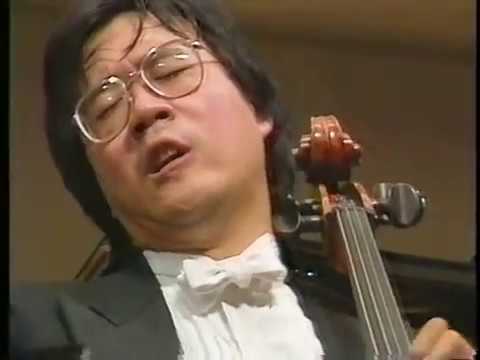
Cello Sonata No.
3, Op.
69 from the collection of cello sonatas composed by Ludwig van Beethoven.
The set consists of Sonatas Nos.
1 through 5, and this third sonata is the most famous.
Hailed as a masterpiece often called the “New Testament of the cello,” it is considered an essential repertoire piece for many cellists.
Jacqueline’s TearsJacques Offenbach

It’s Jacqueline’s Tears by Jacques Offenbach.
Offenbach is famous for the operetta Orpheus in the Underworld, but as he was not only a composer but also a cellist, he also wrote works that let you enjoy the plaintive, wistful tone of the cello.
The melody is so heartrending, it’s hard to believe it was written by the same person who composed Orpheus in the Underworld.
Unaccompanied Cello Suite No. 1 in G major, BWV 1007J.S.Bach

It is Johann Sebastian Bach’s Cello Suite No.
1 in G major, BWV 1007.
This suite consists of six movements: I.
Prelude, II.
Allemande, III.
Courante, IV.
Sarabande, V.
Minuet I/II, and VI.
Gigue.
In the TBS TV drama “Quartet,” the cellist Suzume-chan (played by Hikari Mitsushima) also performs this piece.
Cello Sonata in D minor, Op. 40Dmitri Shostakovich
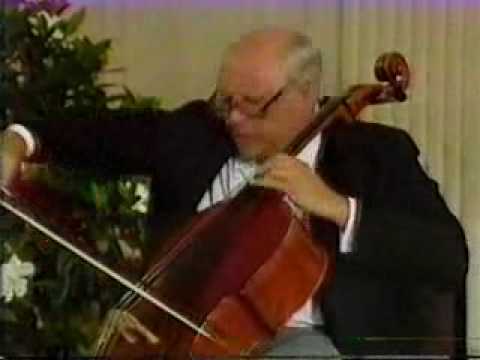
It is the Cello Sonata in D minor, Op.
40, composed by Dmitri Shostakovich.
He began composing the piece at the suggestion of Viktor Lvovich Kubatsky, former principal cellist of the Bolshoi Theatre.
The premiere took place in 1934 in the small hall of the Leningrad Conservatory (formerly the St.
Petersburg Conservatory), with Viktor Lvovich Kubatsky as the cello soloist and the composer himself at the piano.
Cello Concerto No. 2 in E minor, Op. 30Victor Herbert

It’s Victor Herbert’s Cello Concerto No.
2 in E minor, Op.
30.
Born in 1859, Herbert was an Irish-born composer, conductor, and cellist who became a naturalized citizen of the United States.
Although the piece was composed in 1894, it was undervalued during his lifetime and has only recently begun to be reassessed.
Bard’s SongAleksandr Glazunov
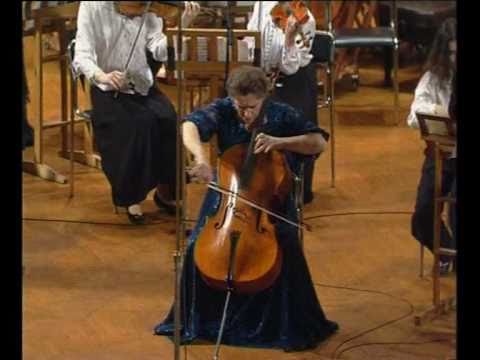
It is The Minstrel’s Song by Alexander Glazunov.
Composed in 1900 by Glazunov, a composer, conductor, and music teacher born in Saint Petersburg in the Russian Empire, the piece received its premiere in Saint Petersburg, Russia, in 1902, with Mr.
A.
Verzhbilovich as the cello soloist.