

Cello Masterpieces: A comprehensive introduction to exquisite classical works that let you savor its profound timbre

The cello is said to resemble the male voice and can be played across a wide range of four to five octaves.
Many people love the cello’s soft, warm tone with its rich depth.
This time, we’re spotlighting famous pieces for the cello!
We’ll introduce a broad selection, from the calm, measured works of the Baroque era to modern and contemporary pieces that mix a variety of techniques.
Why not spend a peaceful night drifting off to sleep, or a refreshing morning waking up, accompanied by the comforting sound of the cello?
- [Masterpiece Classics] A special showcase of gem-like masterpieces so beautiful they’ll move you to tears
- [Quartet] Masterpieces and Popular Pieces for String Quartet
- Rachmaninoff’s masterpieces. Recommended pieces by Rachmaninoff.
- Classical Masterpieces: Recommended Works You Should Hear at Least Once
- Cool classical masterpieces. Recommended classical music.
- A poignant classic masterpiece. Recommended classical music.
- Brahms's masterpieces. Popular classical music.
- Sweet, gentle tones and resonance: A selection of enchanting classical guitar masterpieces
- Timelessly beautiful classical masterpieces. Recommended classical music.
- [Violin] A curated selection of beloved classic masterpieces and popular pieces that continue to be cherished across eras
- Today's Classics: Recommended classical music and great performances to listen to today
- Masterpieces of the bolero. Recommended popular pieces in bolero form and outstanding performances.
- Elgar’s masterpiece. Popular classical music.
Cello Masterpieces: A Showcase of Exquisite Classical Works to Savor Its Profound Tones (21–30)
Cello Concerto No. 2 in E minor, Op. 30Victor Herbert

It’s Victor Herbert’s Cello Concerto No.
2 in E minor, Op.
30.
Born in 1859, Herbert was an Irish-born composer, conductor, and cellist who became a naturalized citizen of the United States.
Although the piece was composed in 1894, it was undervalued during his lifetime and has only recently begun to be reassessed.
Bard’s SongAleksandr Glazunov
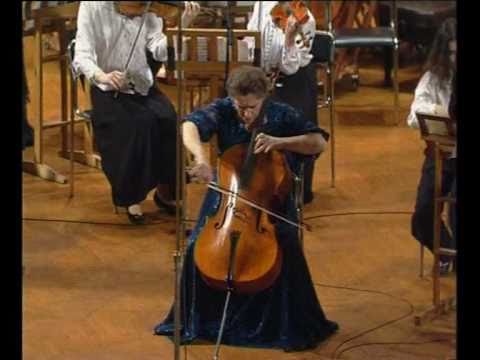
It is The Minstrel’s Song by Alexander Glazunov.
Composed in 1900 by Glazunov, a composer, conductor, and music teacher born in Saint Petersburg in the Russian Empire, the piece received its premiere in Saint Petersburg, Russia, in 1902, with Mr.
A.
Verzhbilovich as the cello soloist.
Cello Masterpieces: A Showcase of Exquisite Classical Works to Savor the Profound Timbre (31–40)
Cello Sonata No. 2 in A minor, Op. 81Nikolai Myaskovsky

Of the two concertos composed by the Russian composer Nikolai Myaskovsky, one piece—Cello Sonata No.
2 in A minor, Op.
81—beautifully expresses profound musicality within simplicity.
Its rich, varied, and beautiful melodies, which make full use of the cello’s range, invite the listener on a journey of sound.
Although Myaskovsky’s works were not highly regarded for a long time, it is said that their evaluation has been reconsidered in recent years.
Listening to this cello sonata will surely make that reason clear.
Symphonic Poem “Don Quixote”Richard Strauss

It is Don Quixote, a tone poem by Richard Strauss.
Composed by Richard Strauss—born in 1864 and a leading figure of the German late Romantic period—the work bears the subtitle “Fantastic Variations on a Theme of Knightly Character for Large Orchestra.” It is also famous for its prominent parts for solo cello and solo viola.
After the DreamGabriel Fauré

It is Après un rêve from Three Songs by Gabriel Fauré.
The most famous piece, Après un rêve, is the first song, and the set consists of three pieces: No.
2 Hymne and No.
3 Barcarolle.
Originally a song for voice, it has come to be performed on violin, cello, and flute as well.
The arrangement for cello in particular is well known, and the work has become one of Fauré’s signature pieces.
The Carnival of the Animals, No. 13: The SwanCamille Saint-Saëns

A celebrated work by Camille Saint-Saëns, based on a melody from the suite Le Carnaval des animaux.
Originally conceived as one of the pieces in a suite intended as entertainment for Carnival in early 1886, it was the only movement the composer allowed to be published during his lifetime.
The flowing melody played by the cello evokes the elegant figure of a swan gliding over the water and conjures the dreamlike imagery of the legendary “swan song.” The ballet The Dying Swan, created by Anna Pavlova in 1905 to this music, is renowned worldwide, and figure skater Yuzuru Hanyu’s exhibition performance to the piece also moved many audiences.
This is a piece for those who want to immerse themselves in the beautiful tone of the cello—a sound that seems to make you forget the summer heat and refresh the spirit.
Hungarian Rhapsody, Op. 68David Popper

This is Hungarian Rhapsody, Op.
68, composed by David Popper.
Born into a family of music teachers in Prague, Popper enjoyed a distinguished career as a renowned cellist from the late 19th century to the early 20th century.
The piece incorporates seven Hungarian folk songs and is an engaging work that combines dances in slow and fast tempos.
In conclusion
This time, we introduced a wealth of masterpieces that let you fully enjoy the cello’s profound timbre—from works where the cello takes center stage to pieces lovingly arranged for cello. The cello reveals a variety of expressions depending on the piece. By all means, compare the works we featured and other classics, and savor the resonance of the cello.