



A roundup of chansons, all in one go!
We’ve curated a wide range—from those famous hidden gems known to aficionados to the latest, slightly under-the-radar French music!
We also include tracks by lesser-known artists, so if you’re looking for stylish, high-sense French tunes, this is a must-see!
Chanson enjoyed huge popularity in Japan in the 1960s.
Even if you’re not familiar with chanson, listening to older tracks can evoke a warm sense of nostalgia, right?
We’ve picked out those nostalgic songs too, so be sure to check them out!
- Everything is stylish! Popular music in France
- Edith Piaf Popular Song Rankings [2026]
- [Nostalgic Collection] Classic oldies masterpieces. Recommended popular songs
- [Touching the Heart] Timeless Ballad Masterpieces. A Collection of Unfading Classics and the Latest Songs [2026]
- [Tango] Famous Tango Songs: Recommended Popular Tracks
- Chanson masterpieces. Recommended popular songs.
- Summary of French music genres
- Recommended Western music for women in their 60s: world classics and popular songs
- Stylish Western music: Chic hidden gems that only the in-the-know recognize make an appearance!
- For those of you who want to discover French singers and musicians: standout artists
- [Classics] Famous waltzes: recommended popular pieces
- Famous songs recommended for musical beginners
- Masterpieces of contemporary (art) music. Recommended popular pieces.
Chanson masterpieces: Recommended popular songs (1–10)
La Vie En RoseEdith Piaf
The chanson singer Édith Piaf, famous for the iconic song Hymne à l’amour, also recorded La Vie en rose—known in Japanese as Barairo no Jinsei (“A Rose-Colored Life”).
It has been covered by many musicians, including Japanese artists, and is recognized as a standard number in the chanson repertoire.
You’ve probably heard its melody at least once on TV or radio.
The numerous Japanese cover versions are excellent as well, and they’re recommended because they make the lyrics’ meaning and mood easy to grasp.

L’hymne A L’amourÉdith Piaf

Édith Piaf, the legendary French singer.
She’s a vocalist who’s very well known in Japan, too.
Her greatest hallmark is, above all, her richly expressive vocals.
Her “L’hymne à l’amour” is known in Japan under the title “Ai no Sanka” (Hymn to Love).
In Japan, Fubuki Koshiji’s version is famous.
Her rendition isn’t bad, but Édith Piaf’s vocals are just too extraordinary.
It’s often said that no cover has yet surpassed the original.

Jardin d’HiverKeren Ann

This is a cover by Israeli singer-songwriter Keren Ann of the classic “Jardin d’hiver” by Henri Salvador, the musician who helped create the bossa nova genre.
The song is known in Japanese as “Fuyu no Niwa” (Winter Garden).
The original is a richly nuanced piece sung in a low key with a gentle, subdued touch, but having a woman sing it brings a new flavor.
Although the performers differ in gender and generation, both versions possess lyrical and vocal depth—no wonder it has been cherished for so long as a timeless masterpiece.
Sous le ciel de ParisZAZ

Zaz ranks again.
She’s an artist with overwhelming popularity and talent in France, so she keeps making the list (lol).
As you can tell from the title, “Sous le ciel de Paris” is a song set in Paris.
It features Latin-style sections reminiscent of Argentine tango as well as brighter sections, making it a very complex piece.
If you’re knowledgeable about music, try transcribing it—its complexity will really impress you!
Tu sais je vais t´aimerDiana Panton

Diana Panton is a jazz musician from Canada.
Although she hails from Canada, she studied French literature in Paris and is a bona fide chanson singer.
This piece is a cover of Henri Salvador’s “Tu sais je vais t’aimer,” a legend in both bossa nova and the chanson world.
Unlike the original’s bossa nova rhythmic mood, this version features a beautifully smooth, gently flowing melody with a different, more subdued atmosphere.
T’en va pasElsa
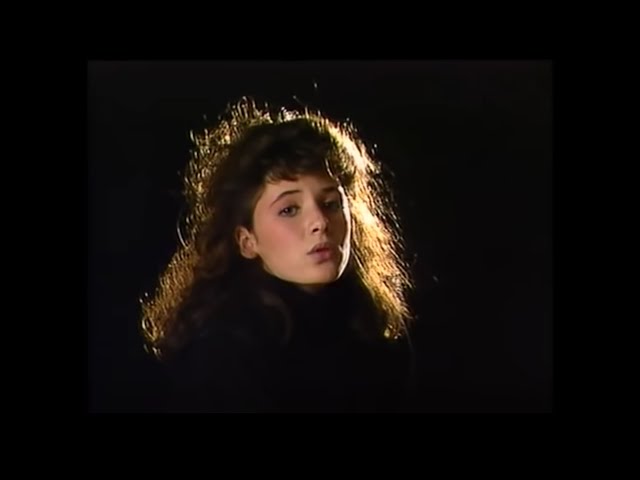
“T’en va pas” is a chanson by French singer Elsa, which she performed in a film in 1986 when she was 13, becoming a huge hit.
In Japan, it is known under the titles “Kanashimi no Adagio” or “Kare to Kanojo no Sonnet,” and in 1987 Tomoyo Harada sang a J-pop–style arranged version that became widely popular there.
I think it’s a song whose original lyrics’ atmosphere comes through even more vividly when enjoyed together with the film’s story.
Je veuxZAZ

Zaz’s huge hit song “Je veux.” It was her debut single, and with this track she rapidly became known across France.
The momentum didn’t stop there—she went on to gain support throughout Europe.
The composer Kerredine Soltani also brings out Zaz’s individuality brilliantly.
Melody, rhythm, expressiveness, fun—by any measure, it’s a perfect song.
The live versions feature a variety of arrangements, so be sure to check them out!