

[Classic] Introducing famous songs about love

In classical music, which mostly consists of pieces without lyrics, there are actually many works themed around love.
Even with pieces you already know, understanding the composer’s intentions and background can change the way you hear them dramatically—so take this opportunity to explore classical love songs.
These works, each expressing different forms of love, may convey something meaningful to us living today, transcending time.
Songs about love with lyrics are wonderful, of course, but I hope this also conveys the appeal of classical music that expresses itself through melody and resonance alone.
- [Classical] A comprehensive introduction to famous love pieces: recommended popular works
- [Songs of Infidelity] A collection of forbidden love songs about unattainable romance
- A poignant classic masterpiece. Recommended classical music.
- [Unrequited Love] Heart-wrenching Love Songs | A Roundup of Tear-Inducing Crush and Breakup Tracks
- Mutual love, unrequited love, familial love... classic songs that sing about affection
- Songs to give to your lover or someone you like. Love songs devoted wholeheartedly to your boyfriend or girlfriend.
- Timelessly beautiful classical masterpieces. Recommended classical music.
- [Masterpiece Classics] A special showcase of gem-like masterpieces so beautiful they’ll move you to tears
- Songs that make you want to fall in love just by listening! Classic love songs recommended for Gen Z
- Cool classical masterpieces. Recommended classical music.
- Classic masterpieces recommended for women
- [Love Songs] A roundup of classic and latest hits about love that can’t be honest
- Classical Music for Summer: A Selection of Cool and Refreshing Masterpieces
[Classics] Introducing famous songs about love (1–10)
Aria from Orchestral Suite No. 3J.S.Bach

It is widely known as Air on the G String.
It is also used at weddings, and the melody played by the violin is simply beautiful.
The string instruments sing with a gentle, expressive tone.
Rather than a passionate, fiery romance, it gives the impression of a calm and composed, mature love.
String Sextet No. 2 in G majorJohannes Brahms

Johannes Brahms’s String Sextet, composed in 1865, is one of his representative works.
It is notable for incorporating the so-called “Agathe motif,” said to convey his feelings for his former lover Agathe von Siebold.
Although purely an instrumental piece, Brahms’s inner conflicts and experiences in love are expressed in its timbres.
It premiered in Boston in October 1866 and was performed in Zurich the following month.
It remains beloved today, appearing, for example, in the final scene of the film The Cement Garden.
This work, with its deep emotion and rich harmonies, is sure to leave you with a warm feeling.
Joy of LoveFritz Kreisler
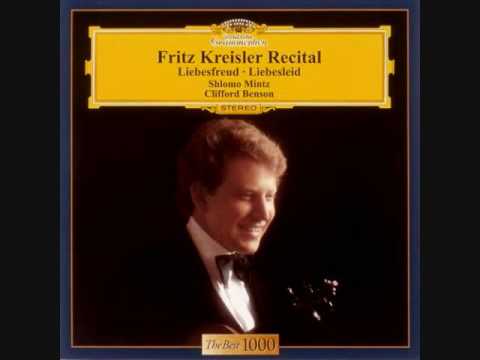
This work is characterized by its light piano and refreshing melody.
It is said that Fritz Kreisler composed it after meeting and marrying his wife Harriet, expressing the joy of love.
Set to a waltz rhythm imbued with a Viennese atmosphere, it features the violin’s beautiful use of sixths and thirds.
It was first recorded in New York in May 1910 and has been recorded several times since.
Kreisler’s performing style—marked by expansive tempo fluctuations and generous vibrato—further enhances the piece’s appeal.
It’s a recommended track for anyone in the mood for romance.
[Classics] Introducing Masterpieces About Love (11–20)
“In the Beautiful Month of May” from the song cycle “Dichterliebe,” Op. 48Robert Schumann

A celebrated piece that opens Robert Schumann’s 1840 song cycle Dichterliebe.
Based on a poem by Heine, it exquisitely portrays the scenes of beautiful May and the budding of love.
The piano’s broken chords vividly render the delicate emotions in which joy and anxiety of love intermingle.
Schumann composed many songs in the year leading up to his marriage to Clara, and his love for her is surely deeply reflected here.
This work showcases his richly expressive musicality to the fullest.
It’s recommended for those just beginning a romance or wishing to feel the arrival of spring, and it’s a gem that anyone curious about the world of classical music should definitely hear.
Invitation to the DanceCarl Maria von Weber

This piece, notable for its brilliant waltz rhythm, is a piano solo that Carl Maria von Weber dedicated to his wife on their wedding anniversary.
Rich in narrative, it musically depicts the encounter and parting of a man and woman at a ball, and is known as a representative work of Romantic music.
In addition to the piano solo version, Hector Berlioz’s orchestral arrangement is also famous and was used in 1841 during a performance of Der Freischütz at the Paris Opéra.
With its lively rhythm and delicate emotional expression, this work is recommended even for those not familiar with classical music.
Una furtiva lagrima from the opera L’elisir d’amoreGaetano Donizetti

This is the aria in which the pure-hearted young man Nemorino, seeing the village girl Adina in tears, becomes convinced of her love for him and sings.
It expresses the pure feeling of ‘I desire nothing else anymore’ upon realizing that the one you love returns your affection.
Liebesträume No. 3Franz Liszt

A beautiful work woven by Franz Liszt, the master of Romantic music.
Its melody deftly expresses both the joy and the poignancy of love.
Born as a song in 1845 and arranged for solo piano in 1850, it centers on love for family and friends while also reflecting Liszt’s personal romantic experiences.
Today, it is often performed as wedding background music or at receptions, a piece that inspires you to cherish time with the one you love.
Allow yourself to be carried away by its heart-stirring tones.