

Classic masterpieces recommended for women

We’ve put together a selection of classic masterpieces especially recommended for women.
Looking back, classical musicians in the past—both composers and performers—were almost all men.
In recent years, however, the number of female conductors and performers has grown significantly.
Watching performances on TV or video sites, you can see that many women are now thriving in the field.
There are also many pieces written for or associated with women, such as The Maiden’s Prayer by the rare female composer in classical music, Tekla Bądarzewska, and Elgar’s Salut d’Amour, dedicated to his beloved wife.
Think of this as a beginner’s guide to classical music.
We’ve included many familiar pieces, so why not take this opportunity to make classical music your hobby?
Classic masterpieces recommended for women (1–10)
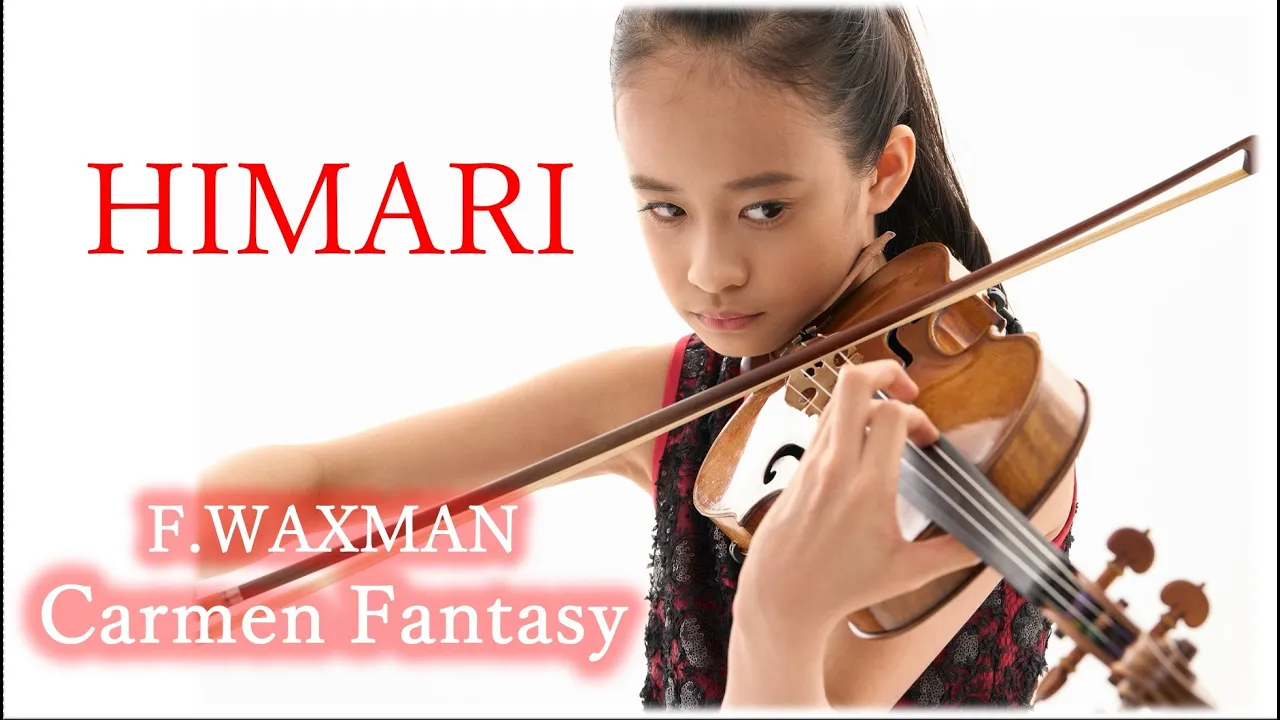
Carmen FantasyPablo de Sarasate

This is a masterpiece composed by a celebrated Spanish virtuoso violinist.
Pablo de Sarasate was a violinist and composer active during the Romantic era, known for his pure tone and light, agile performance style.
This work is a fantasy based on melodies from Bizet’s opera Carmen, showcasing the violin’s allure to the fullest.
Beginning with an introduction, the famous themes from Carmen appear one after another, captivating listeners.
Its brilliant performance, employing a variety of techniques such as trills and glissandi, unfolds like a passionate Spanish landscape spreading before your eyes.
It’s a piece I would especially recommend to women interested in classical music.
Puppy WaltzFrederic Chopin

Chopin, a “god-like” figure in piano music.
Among his many masterpieces, the piece I recommend to women is the “Minute Waltz.” It conjures up a scene as if you’re strolling with an adorable puppy; you can really feel the lively energy of a small-pawed pup scampering and darting about.
La CampanellaFranz Liszt
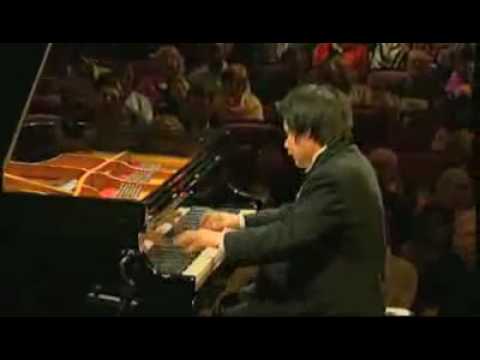
This is a celebrated piano masterpiece composed by the Romantic titan Franz Liszt.
Based on Paganini’s Violin Concerto, Liszt arranged it with the ambition of becoming “the Paganini of the piano.” It is characterized by continuous high notes that evoke the peal of bells, and is renowned as a work of transcendental virtuosity that pushes pianistic technique to its limits.
Composed in 1832 when Liszt was 21, it was created after he encountered Paganini’s performances.
Listening to the piece, you’ll be captivated by its bell-like resonance and the powerful performance that pursues the piano’s full potential.
It’s highly recommended not only for those interested in classical music, but also for anyone who wants to savor the piano’s allure to the fullest.
Rhapsody in BlueGeorge Gershwin

Many people might remember it as the ending theme of the TV drama Nodame Cantabile.
Composed by George Gershwin, the American maestro of modern music, it’s a very stylish piece where classical and modern sounds intermingle.
The opening clarinet glissando is especially striking, and many can recognize Rhapsody in Blue from the very first notes.
Above all, the piece is gorgeously orchestrated.
Both the piano solo sections and the orchestral passages are flashy and opulent, blending the best of jazz and symphonic music.
In the latter half, where the orchestra and piano soar together, it feels like the ending of a drama—quintessentially American, almost like a jazz-tinged national anthem.
The piano is so beautiful it could move you to tears.
ErlkönigFranz Schubert

This is a signature work by Franz Schubert, the genius composer from Austria.
Written when he was 18, it is a richly narrative song based on a poem by Goethe, depicting a father and son galloping through a forest at night.
The piano accompaniment conveys the sensation of the horse’s swift pace, and one singer differentiates the voices of the father, the son, and the Erlking—a hallmark of its demanding technique.
Its tense atmosphere and dramatic development grip listeners from start to finish.
It’s a piece I especially recommend to women interested in classical music.
Maiden’s PrayerTekla Bądarzewska

This is the signature work of Tekla Bądarzewska, a 19th-century female composer who has drawn considerable attention.
Born in Poland, Bądarzewska left around 35 piano pieces despite not having received formal musical training.
Published in 1856, this piece has won hearts around the world with its approachable melody.
It reached Japan in the Meiji era and became widely familiar as a piano study piece and a music box tune.
You often hear it in everyday life as well, such as in the opening and closing sounds of platform doors at train stations.
Its gentle, pristine melody brings peace and comfort to listeners.
Highly recommended for those interested in classical music or seeking a soothing, restful tune.
Arlésienne: MenuetGeorges Bizet

It is a masterpiece by Georges Bizet, one of France’s leading composers.
Characterized by elegant, refined melodies and the striking harmony between flute and harp, this work is among the most beloved in classical music.
Composed in 1872, it has also been used as a ballet lesson piece, with an appealing, lively triple meter.
Although Bizet died young in 1875 at the age of 36, his music has continued to be cherished by many.
This piece is recommended not only for those interested in classical music but also for anyone who wants to enjoy an elegant atmosphere.
It’s perfect for moments when you want a soothing, restorative time.