

Classic masterpieces recommended for women

We’ve put together a selection of classic masterpieces especially recommended for women.
Looking back, classical musicians in the past—both composers and performers—were almost all men.
In recent years, however, the number of female conductors and performers has grown significantly.
Watching performances on TV or video sites, you can see that many women are now thriving in the field.
There are also many pieces written for or associated with women, such as The Maiden’s Prayer by the rare female composer in classical music, Tekla Bądarzewska, and Elgar’s Salut d’Amour, dedicated to his beloved wife.
Think of this as a beginner’s guide to classical music.
We’ve included many familiar pieces, so why not take this opportunity to make classical music your hobby?
- [Masterpiece Classics] A special showcase of gem-like masterpieces so beautiful they’ll move you to tears
- Timelessly beautiful classical masterpieces. Recommended classical music.
- A poignant classic masterpiece. Recommended classical music.
- Classical masterpieces. Recommended classical music.
- Famous pieces recommended for opera beginners. Recommended opera songs.
- Classical Music for Summer: A Selection of Cool and Refreshing Masterpieces
- [For Piano Recitals] Simple yet Cool Classical Pieces
- Masterpieces of Ballet Music: Introducing Classic Favorites
- Dvořák’s masterpiece. Popular classical music.
- Classical Masterpieces: Recommended Works You Should Hear at Least Once
- Cool classical masterpieces. Recommended classical music.
- [Orchestra] Introducing famous and popular pieces
- Recommended classical masterpieces for autumn
Classic masterpieces recommended for women (11–20)
Turandot: Nessun dormaGiacomo Puccini

This is an aria from the final masterpiece left by the great Italian opera composer Giacomo Puccini.
Born in Lucca, Puccini grew up in a musical family and studied at the Milan Conservatory.
The piece powerfully expresses love for the princess and a firm conviction of triumph.
Challenged by the princess to have his name guessed by dawn, the prince sings this song on a night when no one may sleep.
It drew worldwide attention when Luciano Pavarotti performed it at the 1990 FIFA World Cup.
Marked by Puccini’s beautiful melodies and grand orchestration, this work, overflowing with love and hope, is perfect for women interested in classical music.
“The Godfather” Love ThemeNino Rota
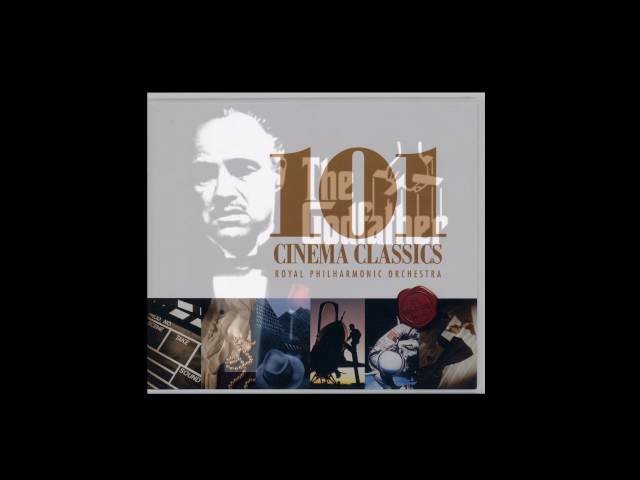
This piece was composed by the master of film music, Nino Rota.
Born in December 1911 in Italy, Rota scored music for more than 150 films, including The Godfather series.
This work is marked by its elegant string melodies, expressing the depth of love and the strength of bonds.
Its gently confiding tune seems to speak of love, and will resonate deeply with listeners.
It’s a song imbued with Rota’s delicate emotional expression and a universal message of love.
Beloved by many as a heartwarming piece to enjoy with someone special, it’s also a great recommendation for those new to classical music.
Piano Concerto No. 2 in C major, Op. 18Sergei Rachmaninov

Composed by Russia’s celebrated composer Rachmaninoff, this piece is a famous work that premiered in 1901.
Rachmaninoff began playing the piano at the age of four and studied at the Moscow Conservatory.
This composition is a monumental work that helped the composer break out of a long creative slump.
It is characterized by passionate, lush melodies, with an impressive dialogue between the piano and the orchestra.
It has been loved by many, appearing in films such as A Lonely Night.
It’s recommended not only for those interested in classical music but also for fans of film scores.
“Queen of the Night Aria” from the opera The Magic FluteWolfgang Amadeus Mozart

This is one of the most popular pieces from the operas composed by the classical master Wolfgang Amadeus Mozart.
Premiered in Vienna in September 1791, this opera is known as Mozart’s final masterpiece.
The work is a quintessential coloratura piece that demands highly advanced technique from sopranos, characterized especially by virtuosic singing in the upper register.
For that reason, it is considered a rite of passage for young sopranos, and many singers have gained fame through this piece.
In the drama, it is sung in the scene where the Queen of the Night orders her daughter Pamina to kill her nemesis, Sarastro.
Its content expresses a complex mix of maternal love and a thirst for revenge, heightening the dramatic effect.
It is recommended for women who are interested in classical music.
LibertangoÁstor Pantaleón Piazzolla
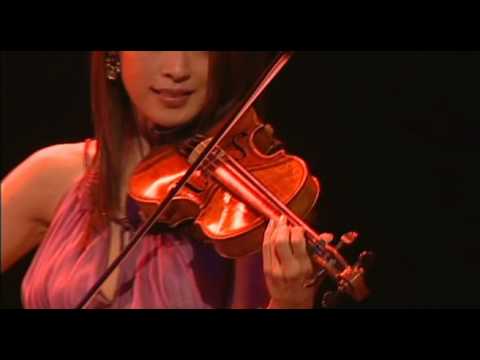
This is a signature work by Astor Piazzolla, the innovative musician from Argentina.
Born on March 11, 1921, Piazzolla is known as the founder of “Tango Nuevo,” which brought a fresh breeze to tango.
Released in 1974, this piece’s title is a coined word combining “freedom” and “tango.” It features a dynamic rhythm and a melancholy melody that express Piazzolla’s yearning for musical freedom.
It was also used in a Suntory commercial and became widely beloved in Japan.
Incorporating elements of classical music and jazz, its innovative style revealed new possibilities for tango, making it a recommended track for those who seek freedom beyond musical boundaries.
Romeo and Juliet Suites No. 1 and No. 2Sergei Prokofiev

This is ballet music composed by Sergei Prokofiev, one of the foremost Russian composers of the 20th century.
Based on Shakespeare’s Romeo and Juliet, it was written in 1935.
The orchestral suites, compiled by Prokofiev himself, extract striking scenes from the full ballet and arrange them for concert performance.
Each movement portrays moments in the story or its characters, conveying scenes and emotions through music.
Blending romantic melodies with rhythmic vitality, the work captivates listeners with its dramatic development and colorful orchestration.
It is highly recommended for those interested in classical music or anyone who wants to experience storytelling through sound.
Classic masterpieces recommended for women (21–30)
Symphony No. 5Gustav Mahler
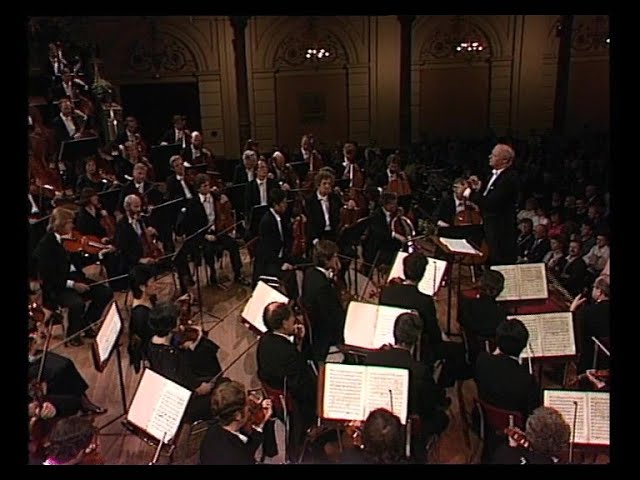
This is also one of the most popular symphonic works, a piece many people have heard.
At times gentle and at times powerful, it’s a masterpiece that seems to symbolize that music is alive.
It’s a recommended piece for those who dearly love symphonies.