

[Classical] Introducing Recommended Moving/Touching Pieces

Music is truly wonderful—some people may even say a single song saved their life.
Among such music, there are pieces with lyrics and pieces without.
In this article, we introduce moving works from the world of classical music, where pieces without lyrics are common.
There are things you can feel precisely because there are no words—only melody and resonance—and at times they can move you deeply.
Whether you’re a classical music fan or someone who doesn’t often have the chance to listen to it, we hope this article helps you savor the charm of classical music.
- Beautiful Melodies: A Collection of Masterpieces and Moving Piano Songs
- [Classical Piano Masterpieces] A carefully selected collection of moving pieces that will bring you to tears
- [Masterpiece Classics] A special showcase of gem-like masterpieces so beautiful they’ll move you to tears
- [Thank-You Song] A song to convey your feelings of “thank you” to someone special
- Timelessly beautiful classical masterpieces. Recommended classical music.
- Masterpieces of classical piano that are too beautiful for words. A gathering of delicate tones that cleanse the soul.
- Cool classical masterpieces. Recommended classical music.
- A poignant classic masterpiece. Recommended classical music.
- [2026 Edition] Recommended Western Songs for Celebrations: Timeless Classics That Convey Your Feelings
- [Songs Praying for Peace] To Prevent Repeating Tragic History | A Collection of Peace Songs That Resonate with the Heart
- [120% Empathy] A Collection of Moving Songs [Love, Friendship, Encouragement]
- Classical masterpieces. Recommended classical music.
- Love, bonds, parting, cheers… songs so moving they pierce the heart and make you cry uncontrollably
[Classical] Introducing 10 Moving, Recommended Pieces (1–10)
Canon and Gigue in D major for Three Violins and Basso ContinuoJohann Pachelbel

This work, which could be called a jewel of Baroque music, is known as Pachelbel’s Canon.
Showcasing Johann Pachelbel’s delicate sensibility, it’s a piece that is friendly even to classical music beginners.
The beautiful melodies woven by three violins seep into the heart like the murmuring of a brook.
In the 1970s, when it was broadcast by a San Francisco radio station, it reportedly received a flood of listener requests.
It’s well known as a wedding standard, but it’s also recommended for a relaxing listen on a quiet night.
It is performed in orchestral arrangements as well as in piano-and-cello duos, and in any instrumentation it remains a calming, beautiful work.
Piano Sonata No. 8 in C minor, Op. 13 “Pathétique,” II. movementLudwig van Beethoven
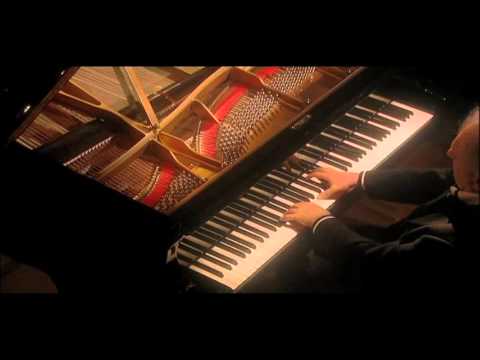
Among the piano sonatas composed by Ludwig van Beethoven, a leading figure of the German Classical school, the “Pathétique” stands alongside the “Moonlight” and “Appassionata” as one of his most celebrated works.
Composed between 1798 and 1799, it was highly acclaimed from the time of its publication and became a breakthrough piece that helped establish Beethoven’s reputation as a composer.
Its second movement, frequently arranged and featured in television programs and commercials, is widely beloved.
The movement’s serene yet somehow wistful sonorities, along with the strikingly different atmosphere introduced in the middle section after the main theme, make it a remarkably beautiful composition.

NocturneFrederic Chopin
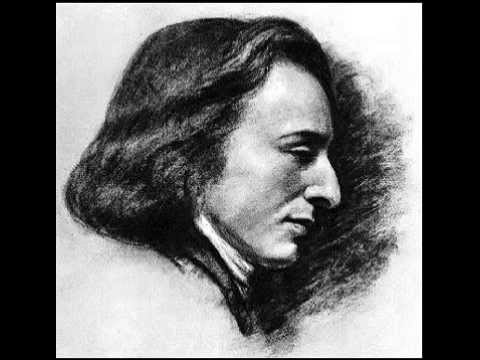
A collection of solo piano pieces composed by Frédéric Chopin from the age of 20 through his later years.
Consisting of 21 pieces, this set portrays the quiet of the night and introspection, and at times complex emotions such as sorrow and joy.
Among them, No.
2 is a popular piece widely loved not only by classical music fans but also by the general public.
It is characterized by lyrical, romantic melodies, fresh harmonies, and a free-spirited approach, earning high acclaim within piano music.
In addition, No.
20 is well known for its use in the film The Pianist.
Alongside these two famous works, all the other pieces are also deeply moving and beautiful, so be sure to find your favorite among the 21.
[Classical] Introducing 11–20 of the most moving recommended pieces
Suite bergamasque, No. 3: Clair de LuneClaude Debussy

Among Claude Debussy’s works, the Suite bergamasque is known for its accessible, familiar charm.
Its third piece, Clair de Lune, is a dreamy and beautiful work that conjures a vision of a softly glowing moon suspended in the quiet night sky and the mysterious space bathed in its light.
Listening while gazing at the moon on a tranquil night may help you feel the atmosphere of the piece even more deeply.
Although not especially difficult technically to perform, expressing the world of the music is an enormous challenge.
It’s also recommended to look at photos of moonlit landscapes and expand your concrete imagery as you play.
Jupiter from The Planets, Op. 32Gustav Holst

Among the movements in Gustav Holst’s suite The Planets, this one is especially famous.
Composed between 1914 and 1916, it reflects Jupiter’s mythological and astrological character, brimming with grandeur and festivity.
From the lively rhythms of the opening to the beautiful “hymn theme” in the middle, its structure captivates listeners.
Since its premiere in 1918, it has remained beloved by many and later came to be cherished as a British patriotic song as well.
Combining splendor with playfulness, this piece is perfect for anyone seeking a sense of joy and hope in life.
Vocalise, Op. 34 No. 14Sergei Rachmaninov
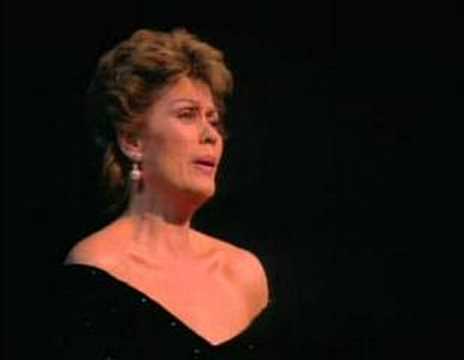
Is there any piece whose wordless melody can move the heart this deeply? Published in 1915, this work is the final song in Sergei Rachmaninoff’s collection of songs.
As the composer himself remarked, “the voice alone can convey sufficient emotion,” and its beautiful melody—sung on a single vowel—resonates profoundly with listeners.
Over roughly six minutes, the wistful tune seems to drift between hope and despair, and it has been beloved by a wide audience, even appearing in films and television.
Numerous arrangements exist, and whichever version you hear, its beauty seeps into the soul—so do try listening to performances on other instruments as well.
Scenes from Childhood, Op. 15, No. 7 “Träumerei”Robert Schumann

‘Träumerei’ composed by Robert Schumann.
It is the seventh piece in his collection Scenes from Childhood, Op.
15, written as a piano work for adults that depicts a child’s heart.
Its soothing, dreamlike, and beautiful melody evokes the innocent world of childhood.
Beyond the piano, it is performed on various instruments such as violin, cello, and flute, and is loved by many people, not just classical music fans.