

[Classical] Introducing Recommended Moving/Touching Pieces

Music is truly wonderful—some people may even say a single song saved their life.
Among such music, there are pieces with lyrics and pieces without.
In this article, we introduce moving works from the world of classical music, where pieces without lyrics are common.
There are things you can feel precisely because there are no words—only melody and resonance—and at times they can move you deeply.
Whether you’re a classical music fan or someone who doesn’t often have the chance to listen to it, we hope this article helps you savor the charm of classical music.
- Beautiful Melodies: A Collection of Masterpieces and Moving Piano Songs
- [Classical Piano Masterpieces] A carefully selected collection of moving pieces that will bring you to tears
- [Masterpiece Classics] A special showcase of gem-like masterpieces so beautiful they’ll move you to tears
- [Thank-You Song] A song to convey your feelings of “thank you” to someone special
- Timelessly beautiful classical masterpieces. Recommended classical music.
- Masterpieces of classical piano that are too beautiful for words. A gathering of delicate tones that cleanse the soul.
- Cool classical masterpieces. Recommended classical music.
- A poignant classic masterpiece. Recommended classical music.
- [2026 Edition] Recommended Western Songs for Celebrations: Timeless Classics That Convey Your Feelings
- [Songs Praying for Peace] To Prevent Repeating Tragic History | A Collection of Peace Songs That Resonate with the Heart
- [120% Empathy] A Collection of Moving Songs [Love, Friendship, Encouragement]
- Classical masterpieces. Recommended classical music.
- Love, bonds, parting, cheers… songs so moving they pierce the heart and make you cry uncontrollably
[Classical] Introducing Moving, Recommended Pieces (41–50)
Flute Quartet No. 1 in D major, K. 285Wolfgang Amadeus Mozart

Mozart was a court musician for the Archbishop of Salzburg in Austria, but he resigned.
While job hunting in Mannheim, Germany, he met the court orchestra’s flutist, Johann Baptist Wendling, and composed flute quartets for an amateur flutist, the Dutch surgeon Dejean.
The flute’s beautiful melodies bring brightness to the music in major keys, and are filled with poignancy in minor keys.
Clarinet Quintet in B-flat majorCarl Maria von Weber

Weber was a German composer.
In 1815, while serving as music director and conductor at the Prague Opera, he composed his Clarinet Quintet in B-flat major, Op.
34.
It features a solo clarinet carrying the main melody alongside a string quartet.
In the second movement, Adagio, the string quartet creates a solemn atmosphere, while the solo clarinet, tinged with melancholy, lends an elegant character.
AdagioTomaso Albinoni

Albinoni was an Italian Baroque composer.
He wrote more than 50 operas.
The Adagio features a somewhat wistful bass line and a solemn main melody.
It has been arranged for organ and strings, flute and strings, violin and strings, and more, and has been performed by many musicians.
Oboe Concerto “Love in Venice,” Second MovementAlessandro Marcello

Alessandro Marcello, an Italian composer who left many delicate and graceful works, is especially known for his Oboe Concerto, often referred to as “The Love of Venice.” Its second movement is a masterpiece in which the oboe’s expressive melody deeply resonates with the heart.
Composed in the early 1700s, the piece later earned high acclaim, including an arrangement for keyboard by J.
S.
Bach.
It was also used as the theme for the Italian film “Love in Venice,” making it beloved by many.
With its calm, introspective atmosphere, this work is perfect for moments when you want to settle your mind or spend quiet time.
Adagio for StringsSamuel Barber
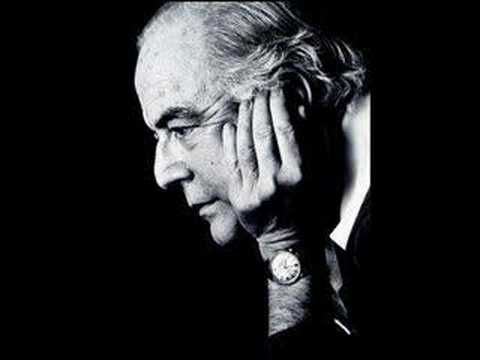
Barber is a modern American composer whose style is rooted in European tradition.
The Adagio for Strings is the second movement of his String Quartet, Op.
11, composed in 1936.
The string instruments produce a rich sonority, and the melody is imbued with poignancy.
In conclusion
From pieces everyone has heard at least once to lesser-known works, we introduced moving selections from the vast world of classical music. Beyond beautifully poignant pieces, you can also find deep emotion in grand and dramatic works. We hope this article helps you discover the piece that moves you most!