

[Classical] Introducing Recommended Moving/Touching Pieces

Music is truly wonderful—some people may even say a single song saved their life.
Among such music, there are pieces with lyrics and pieces without.
In this article, we introduce moving works from the world of classical music, where pieces without lyrics are common.
There are things you can feel precisely because there are no words—only melody and resonance—and at times they can move you deeply.
Whether you’re a classical music fan or someone who doesn’t often have the chance to listen to it, we hope this article helps you savor the charm of classical music.
- Beautiful Melodies: A Collection of Masterpieces and Moving Piano Songs
- [Classical Piano Masterpieces] A carefully selected collection of moving pieces that will bring you to tears
- [Masterpiece Classics] A special showcase of gem-like masterpieces so beautiful they’ll move you to tears
- [Thank-You Song] A song to convey your feelings of “thank you” to someone special
- Timelessly beautiful classical masterpieces. Recommended classical music.
- Masterpieces of classical piano that are too beautiful for words. A gathering of delicate tones that cleanse the soul.
- Cool classical masterpieces. Recommended classical music.
- A poignant classic masterpiece. Recommended classical music.
- [2026 Edition] Recommended Western Songs for Celebrations: Timeless Classics That Convey Your Feelings
- [Songs Praying for Peace] To Prevent Repeating Tragic History | A Collection of Peace Songs That Resonate with the Heart
- [120% Empathy] A Collection of Moving Songs [Love, Friendship, Encouragement]
- Classical masterpieces. Recommended classical music.
- Love, bonds, parting, cheers… songs so moving they pierce the heart and make you cry uncontrollably
[Classical] Introducing 11–20 of the most moving recommended pieces
Symphony No. 3, Op. 90, Movement IIIJohannes Brahms

The third movement of Johannes Brahms’s Symphony No.
3, composed in 1883, is a beautiful piece with a gentle, song-like character.
It is distinguished by an elegant, melancholic melody and a notably calm musicality.
It is said to reflect Brahms’s life philosophy of “free but lonely,” and its graceful, lyrical resonance leaves a deep impression.
The work became more widely beloved after it was used in the 1961 French film “Goodbye Again.” Combining quiet sorrow with beauty, it is perfect for moments of peaceful reflection or when you wish to experience profound emotion.
Intermezzo from the opera Cavalleria RusticanaPietro Mascagni
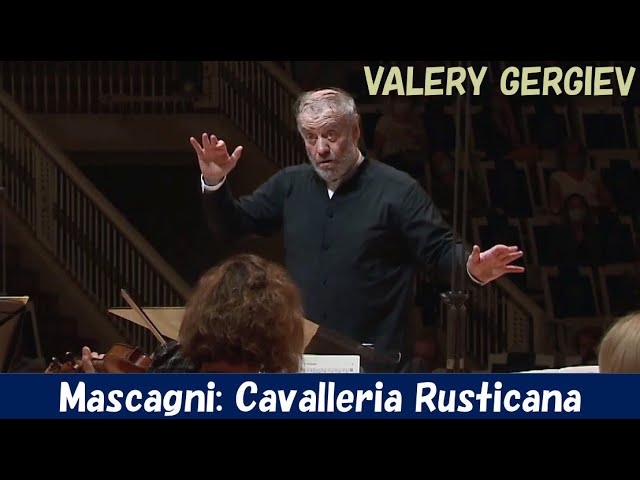
From Pietro Mascagni’s masterpiece Cavalleria rusticana emerged a serene orchestral piece.
Premiered in Rome in May 1890, this work conveys a beautiful quietude within a tale of love and revenge set in a Sicilian village.
It is marked by elegant, lyrical melodies and incorporates motifs of religious hymns, evoking deep emotion.
It was also used in the climactic scene of the film The Godfather Part III, lending dramatic effect to the entire work.
If you wish to leave a deep afterglow in your heart or spend a quiet moment, why not give it a listen?
Aria “Let Me Weep” from the opera RinaldoGeorg Friedrich Händel

A piece from the opera Rinaldo, composed in 1711 by Baroque master George Frideric Handel.
It portrays the feelings of the heroine Almirena, who has been taken captive.
The work features a graceful melody over an accompaniment of strings and basso continuo.
Though simple, its powerful music highlights the singer’s emotional expression.
Since its premiere in 1711, it has been loved around the world, and in Japan it was used as an insert song in the TV dramas Botan to Bara and Churasan.
Its melody, which conveys a sense of hope even amid sorrow, is sure to resonate in the heart.
reverieClaude Debussy

Composed around 1890 by Claude Debussy, a master of French Impressionist music, this work is a masterpiece suffused with a dreamlike atmosphere.
Consisting of a sweet melody over arpeggiated harmonies and a chorale-like middle section, its roughly four-minute duration stimulates the listener’s imagination.
Written during a period when Debussy was visiting Germany and Bali and absorbing diverse musical influences, it marked an important step in his musical career.
Recommended both for those looking to become acquainted with classical music and for anyone seeking calm.
Its gentle melodies sink into the heart, offering the sensation of being in a dream.
Liebesträume No. 3Franz Liszt

This celebrated piece by Franz Liszt, a leading composer of the Romantic era, was originally written as a song and later arranged for solo piano.
Characterized by its beautiful melody and rich emotional expression, the work vividly conveys the poetic world that portrays the importance and transience of love, brought to life through Liszt’s delicate musical sensibility.
Completed in 1850, the piece is said to reflect Liszt’s personal romantic experiences and resonates deeply with listeners.
Enjoy it on a quiet evening as you savor its beautiful melody.
From the song cycle Three Songs, Op. 7: No. 1, After a DreamGabriel Fauré
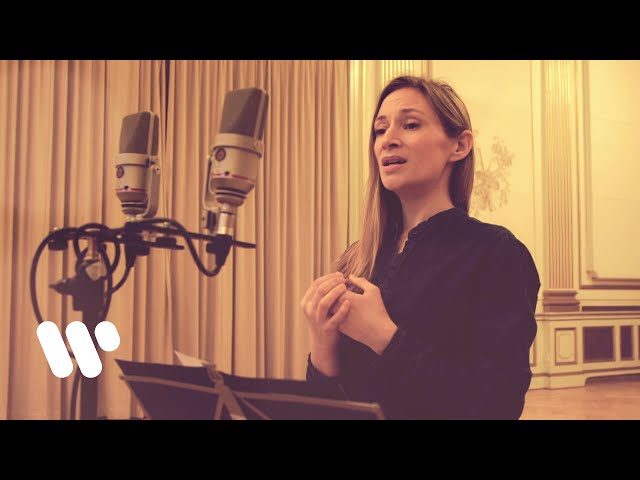
The first song in a collection by Gabriel Fauré, one of France’s foremost composers.
This masterpiece contrasts the dreamlike world spent with a beloved in a dream and the reality upon waking.
Noted for its graceful melody and delicate harmonies, it was published around 1877.
Although originally composed as a song with piano accompaniment, it later became widely performed in arrangements for cello and violin as well.
It has been used in moving scenes in films and TV dramas, and its deeply affecting, beautiful melody is recommended for those who wish to resonate with life’s joys and sorrows.
[Classical] Introducing Moving/Touching Recommended Pieces (21–30)
Piano Concerto No. 3 in D minor, Op. 30Sergei Rachmaninov

Rachmaninoff was a Russian composer.
He wrote his Piano Concerto No.
3 in 1909 with his American performances in mind, during his first concert tour in the United States.
Its mournful melodies evoke the sound of Russian folk songs.