

Dohnányi’s Piano Works: A Comprehensive Introduction to Masterpieces by the Hungarian Prodigy

Ernő Dohnányi, born in Hungary in 1877, was a composer who, while leading an extremely busy life as a conductor, pianist, music educator, and school administrator, continued to compose with great energy.
A superb pianist, Dohnányi is also known for publishing a method book on piano technique.
The text he left behind is now widely appreciated as a set of finger exercises suitable for piano learners of any level.
This time, we will introduce works by Dohnányi from among his piano solo pieces and compositions that include the piano in their instrumentation!
- [Czerny’s Piano Pieces] A curated selection of diverse piano works left by the king of etudes
- Hindemith’s Piano Works: Sparkling Masterpieces by a Composer Who Mastered Numerous Instruments
- Séverac’s Piano Pieces: Masterworks by the Genius Composer Recognized by Debussy
- Piano Masterpieces: Music you’ll want to listen to and play—beloved classic works
- [Albeniz’s Piano Pieces] A selection of masterpieces left by the passionate Spanish composer
- Ginomasteira’s Piano Works: A Curated Selection of Masterpieces by a Leading Latin American Composer
- [Franck’s Piano Works] A curated selection of gem-like masterpieces by the Father of Modern Music
- [Piano Variations] A comprehensive showcase of gem-like masterpieces crafted by great composers!
- Innovator of Hungarian Music: A Summary of Béla Bartók’s Piano Works
- Dvořák’s Piano Works: A Curated Selection of Masterpieces Filled with Love for His Homeland, Czechia
- Haydn’s Piano Works: Exquisite Piano Pieces Crafted by the Father of the Symphony
- Hummel’s Piano Pieces: A curated selection of beloved masterpieces, well-known from recitals and competitions
- Janáček’s Piano Works: Sparkling Masterpieces Reflecting National Pride
Dohnányi’s Piano Works: A Complete Introduction to Masterpieces by a Hungarian Prodigy (1–10)
Humoresque in Suite Form, Op. 17Dohnányi Ernő

Ernő Dohnányi, the versatile musician born in Hungary, was active as a composer, pianist, and conductor from the late 19th to the first half of the 20th century.
His Humoresque in Suite Form, Op.
17, strongly imbued with the influence of Brahms, preserves classical formal beauty while pursuing Romantic expression.
This piece demands a high level of technical prowess, fully showcasing the composer’s exceptional talent.
Why not experience Dohnányi’s brilliance as he infuses traditional musical styles with his own distinctive essence? For piano learners, it is sure to be an excellent opportunity to venture into new territory.
Three Pieces, Op. 23: No. 1 “Aria”Dohnányi Ernő

The works of Ernő Dohnányi, the Hungarian composer who left a significant mark on the European music scene in the early 20th century, are known for their refined and distinctive musicality, influenced by Romanticism.
“Aria,” included in his Three Pieces published in 1913, combines lyrical beauty with virtuosic brilliance.
Demanding deep emotion and delicate expressiveness, this piece is a perfect showcase for advanced performers.
Its gently sung melody will resonate deeply with listeners.
Highly recommended for those who want to savor the full richness of the piano’s sonority.
Four Rhapsodies, Op. 11: No. 1 in G minorDohnányi Ernő

Ernő Dohnányi, renowned as a Hungarian composer, pianist, and conductor, is considered a leading figure of late Romantic music and a foundational force in Hungarian music of the 20th century.
His Four Rhapsodies, Op.
11, are ambitious works that inherit Classical and Romantic forms while incorporating improvisatory elements.
No.
1 presents a succession of contrasting emotions and moods, emphasizing the pursuit of expression and virtuosity, and strongly reflects his creativity.
Though there are no lyrics, the passionate, technically demanding performance allows the listener to grasp the composer’s intent.
This piece, which requires a high level of technical skill, is one that pianists with both solid technique and rich musical sensitivity are strongly encouraged to take on.
Dohnányi’s Piano Works: A Comprehensive Introduction to Masterpieces by the Hungarian Prodigy (11–20)
Piano Quintet No. 2 in E-flat minor, Op. 26Dohnányi Ernő
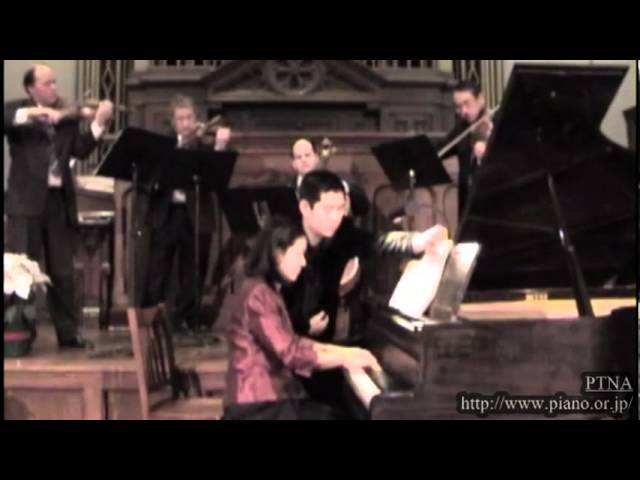
Among the piano quintets left by the Hungarian-born composer Ernő Dohnányi (born in 1877), the Piano Quintet No.
2, completed in 1914, is particularly refined.
Scored for piano and string quartet, the work is marked by a strict construction based on sonata form and a strong unity of thematic material.
Its deft use of chromatic elements also reinforces the work’s overall cohesion.
Composed at a turning point in Dohnányi’s life, the piece reflects nostalgia, yearning, and the beauty of hope and renewal.
While it shows the influence of Brahms and Schumann, it is rich in Dohnányi’s own expressive voice—a must-hear masterpiece for chamber music enthusiasts.
Piano Sextet in C major, Op. 37Dohnányi Ernő

The Piano Sextet in C major, Op.
37, by the Hungarian composer Ernő Dohnányi is counted among his major chamber works.
Composed in 1935, it was created during a period when Dohnányi was bedridden for several months due to thrombosis.
Scored for piano, violin, viola, cello, clarinet, and horn, it is a fine work in which the eloquence of late Romanticism blends with a Brahmsian sense of classical form.
It opens with a passionate first movement, followed by a march-like second movement and a Mendelssohnian third movement, leading into a fourth movement that incorporates elements of jazz.
Using a cyclic thematic technique, material from the first movement returns, bringing the work to a brilliant close.
Piano Concerto No. 1 in E minor, Op. 5Dohnányi Ernő

Ernő Dohnányi, born in Hungary in 1877, was a composer also known as the author of a piano technique method book.
His Piano Concerto No.
1 in E minor, Op.
5, written when he was 25, reflects strong late-Romantic influences while vividly showcasing his own musical voice.
With passionate orchestration and brilliant piano virtuosity woven together to striking effect, it is a dramatic work not to be missed.
Highly recommended for lovers of the Romantic era and for anyone wishing to savor the full appeal of the piano concerto.
Piano Concerto No. 2 in B minor, Op. 42Dohnányi Ernő

The Hungarian prodigy Ernő Dohnányi pursued composition energetically while also leading a multifaceted career as a conductor, pianist, and music educator.
His Piano Concerto No.
2 in B minor is a major work that embodies his late style.
The piano part is highly virtuosic, reflecting his own exceptional performance skills.
Throughout, the piece brims with passion and drama, leaving a powerful impression that overwhelms the listener.
A must-hear for anyone who wants to savor the full allure of late Romantic music!