

[For Seniors] Autumn Songs That Touch the Heart: From Nostalgic Children’s Songs and School Songs to Showa-Era Kayōkyoku


Under the autumn sky, it has become the season when nostalgic songs resonate in our hearts.
Music has a mysterious power to evoke memories, and autumn songs in particular gently wrap us in warmth.
Singing together with older adults can spark lively conversations and naturally bring out smiles, creating a wonderful time together.
In this article, we introduce songs of autumn that everyone can enjoy.
Clap along, sing while doing simple exercises, or close your eyes and listen closely to the lyrics—please enjoy these songs filled with Japan’s seasons, culture, and cherished memories with everyone.
- [For Seniors] Classic Autumn Songs to Sing in November: From Children’s Songs to Popular Enka and Kayōkyoku
- [For Seniors] September Song Special: Introducing Nostalgic Classics and Children’s Songs that Evoke Autumn
- Ranking of popular songs for senior citizens
- Recommended Autumn Songs for People in Their 80s: A Collection of Seasonal Kayōkyoku and Children's Songs
- [For Seniors] Popular Karaoke Songs That Everyone Can Enjoy Together
- Recommended autumn songs for people in their 90s: A collection of Showa-era autumn tunes
- [For Seniors] Winter songs you'll want to hum along to. A collection of classic tunes recommended for BGM and recreational activities
- [Children’s Songs of Autumn] Autumn songs, school songs, and traditional children’s rhymes. A collection of classic pieces to sing in autumn.
- [Autumn Songs] Songs of autumn. Classic tracks and popular favorites you’ll want to listen to in the fall.
- [For Seniors] Crowd-Pleasers! A Collection of Classic Karaoke Songs
- [2026] Songs to listen to in November: masterpieces of late autumn, autumn songs.
- [For Seniors] Introducing recommended songs to give on Respect for the Aged Day
- [For Seniors] Let’s Have Fun Together! Introducing Uplifting, Energizing Songs
[For Seniors] Autumn Songs That Touch the Heart: From Nostalgic Children's Songs and School Songs to Showa-Era Kayōkyoku (41–50)
maple leavesSakushi: Takano Tatsuyuki / Sakkyoku: Okano Teiichi
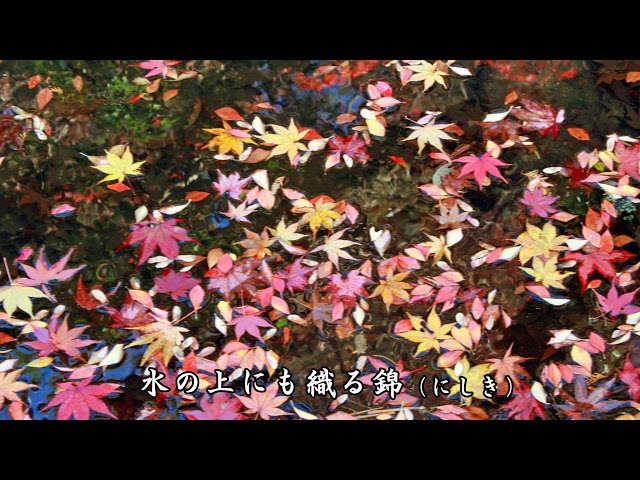
Among songs that shine with rich colors of the four seasons, the perfect children’s song for autumn is “Momiji.” The lyrics were written by Tatsuyuki Takano, who also worked on songs like “Oborozukiyo,” and it was included in the Elementary School Songbook.
Its warm melody resonates in harmony with beautiful natural scenery.
As a piece that depicts autumn-tinted landscapes, it’s perfect for outings to view the fall foliage.
It’s a song that makes you want to spend a leisurely time while gazing at the vividly colored season.
It would be fun to sing it with friends while taking a walk, or to hum it while sitting on a park bench.

A midnight in autumn

The original music is the overture to the opera Der Freischütz.
The lyrics were written by Nobutsuna Saki, who was both a poet and a scholar of Japanese literature.
Speaking of Nobutsuna Saki, he’s also well known for writing the lyrics to the children’s song Natsu wa Kinu (Summer Has Come).
It’s a slightly melancholic piece that brings to mind the sight of winter birds flying through the autumn sky.
Many people may be reminded of their hometown when they hear this song.
I think it’s an autumn song that older generations would know, but since it’s short and easy to remember, it’s also recommended for those who don’t.
By all means, try singing it together as a song that lets you feel the autumn season.

Sky of my hometownSukottorando min’yō/sakushi: Ōwada Kenju

Based on the melody of a Scottish folk song, “Furusato no Sora” (“Hometown Sky”) features lyrics by Kenju Ōwada, who is also known for composing military songs themed around the army and navy.
The song depicts someone thinking of their family back home amid a nostalgic autumn landscape.
Its appeal lies in the straightforward, heartfelt lyrics and the clear, transparent melody.
For older adults living away from their hometown, it’s a lovely piece to listen to while recalling the scenes of days gone by.
It’s also nice to showcase your singing voice against its beautifully expansive sound.
Song of the Four SeasonsSakushi sakkyoku: Araki Toyohisa

Under the gentle sunshine of spring, a timeless Showa-era classic resonates deep in the heart.
In Toyohisa Araki’s work, the beauty of Japan’s four seasons and his feelings toward people are exquisitely captured within a warm melody.
Born from gratitude toward nurses during a hospital stay, this piece was introduced on Nippon Broadcasting’s “Aozora Wide,” where it received an overwhelming response, and Yoko Seri’s performance went on to become a million seller.
The tenderly drawn seasonal scenes and the deep affection for friends and family evoke a tranquil passage of time.
It’s a wonderful song that invites you to reminisce and reflect on bonds with loved ones.
Perfect for a relaxing music recreation session for seniors.
Village FestivalSakushi/Sakkyoku: Monbushō Shōka

“Village Festival,” included in the music textbook Elementary School Songs (Jinjō Shōgaku Shōka) published in 1912, is a piece that expresses the sounds of festival drums and flutes through song.
It depicts the celebration of a bountiful harvest in autumn, evoking scenes of many people gathering together.
Why not sing it along with friends at your facility, carried by its festival-like rhythm? With its bright melody that evokes a sense of “wa” (Japanese harmony/tradition), it’s also recommended for older adults who enjoy enka and kayōkyoku.
It’s a great choice to liven up mealtime gatherings or recreational activities at your facility.
scarecrowSakushi/Sakkyoku: Monbushō Shōka

A song themed around a scarecrow, a figure set up in rice paddies and fields to drive away animals that damage crops.
It expresses feelings toward the scarecrow that stands motionless all day long.
Autumn is the harvest season, so it’s nice to listen while gazing over the fields.
It’s also recommended to perform the song with a lively rhythm or go for a group walk.
Singing songs about scarecrows can spark conversations and nostalgia about the old days.
This cheerful, spirited children’s song warms the chill of the season.
Moon over the Ruined Castle

A well-known piece familiar from music classes in elementary and junior high school is “Kojo no Tsuki” (The Moon over the Ruined Castle).
The lyrics were written by Bansui Doi and the music composed by Rentaro Taki.
It can even be considered a foundational work of Western-style music created by Japanese composers more than 100 years ago.
The 7-5 syllabic rhythm of the lyrics is quite difficult to grasp just by listening, so when I was a student I couldn’t fully delve into the meaning.
But when you listen again, you realize the lyrics—singing of the rise and fall of worldly fortunes—have a profound flavor.
I especially hope older listeners will enjoy it while reminiscing about the past.
