

[For Seniors] Crowd-Pleasers! A Collection of Classic Karaoke Songs

Karaoke is one of the most popular recreational activities at senior facilities such as day service centers.
Many people probably enjoy karaoke as a hobby, too.
In this article, we’ll introduce lively karaoke songs recommended for older adults!
We’ve gathered classic enka and kayōkyoku favorites, as well as songs loved across generations.
We hope you’ll find a favorite among the many selections.
Even if you don’t know the lyrics, it’s also great to simply listen and enjoy tunes whose melodies you like.
Sing the songs you love and have fun doing karaoke together!
- [For Seniors] Popular Karaoke Songs That Everyone Can Enjoy Together
- Ranking of popular songs for senior citizens
- [For Seniors] Songs Everyone Can Sing Together! A Roundup of Recommended Crowd-Pleasers
- [For Seniors] Let’s Have Fun Together! Introducing Uplifting, Energizing Songs
- [For Seniors] Winter songs you'll want to hum along to. A collection of classic tunes recommended for BGM and recreational activities
- Easy-to-sing songs recommended for women in their 70s: A collection of classic hits perfect for karaoke
- Easy-to-sing songs recommended for women in their 80s: a reference for choosing karaoke tracks!
- [For Seniors] Beloved songs to sing in December: heartwarming moments with nostalgic kayōkyoku and children’s songs
- [Sing for your health!] Popular songs among seniors. Also recommended for recreational activities.
- [For Seniors] Introducing recommended songs to give on Respect for the Aged Day
- Karaoke songs you’ll want to sing for men in their 70s: Enka and nostalgic Showa-era pop
- [For Seniors] Autumn Songs That Touch the Heart: From Nostalgic Children’s Songs and School Songs to Showa-Era Kayōkyoku
- [For Seniors] Spring Songs You'll Want to Hum: Feel the Season with Nostalgic Classics
[For Seniors] Beloved! A Collection of Classic Karaoke Songs (41–50)
BoyhoodInoue Yosui

It’s a classic summer song that brings back childhood memories as you sing.
Written by singer-songwriter Yosui Inoue—known for many works such as “Kasa ga Nai” and “Yume no Naka e”—it was released in 1990 and became a big hit after being used in a commercial.
True to its title, the lyrics trace the summers of one’s boyhood, tickling a childlike sense of wonder.
Another charm is Inoue’s signature, warmly textured melody line.
This is a song to take your time with—why not sing it while reflecting on days gone by?

[For Seniors] Well-Loved! Classic Karaoke Song Collection (51–60)
Look up at the stars in the nightSakamoto Kyu

Kyu Sakamoto’s 1963 hit song “Ue o Muite Arukou (Look Up at the Night Sky).” It’s still known by both adults and children today, but it originally served as the theme song within the same-titled musical first performed in 1960, and it was reportedly sung by a different choral group.
Even now it continues to be covered by numerous artists and sung in many places by many people, making it one of the beloved popular songs of the Showa era.

Like the flow of a riverMisora Hibari

Released in 1989, this was Hibari Misora’s final single issued during her lifetime: “Kawa no Nagare no Yō ni” (“Like the Flow of the River”).
Many people were deeply moved by this grand song, which seems to look back over Misora’s own life.
The lyrics were written by Yasushi Akimoto—also known as a producer—who is said to have written them with New York’s East River in mind, where he was living at the time.
Purple Rain SentimentFuji Ayako
This is a popular song by Ayako Fuji, who debuted as an enka singer in 1987, changed to her current stage name in 1989, and joined the ranks of popular enka artists after her re-debut.
The lyrics compare a mature romance to rain, evoking imagery that lets listeners picture the scene.
Because it can be sung gently without straining, it’s a popular karaoke choice as an easy-to-sing enka song.
Sugarcane fieldSakushi sakkyoku: Terashima Naohiko

This is an anti-war song imbued with a deep wish for peace, overlaying memories of the Battle of Okinawa with the sound of sugarcane swaying in the wind.
It was conceived when Naohiko Terashima visited Okinawa in 1964 and was told about the remains of the war dead at Mabuni Hill.
Premiered in 1967, it became widely beloved after Naomi Chiaki sang it on NHK’s music program “Minna no Uta” in 1975.
Told from the perspective of a girl who lost her father in the war, the song features the symbolic sound “zawawa” repeated 66 times, resonating deeply with listeners.
It’s a recommended piece for those who have experienced war or for moments when you want to reflect on peace.
Love VacationZa Pīnattsu

A refreshing love story unfolding by the summer seaside resonates in the heart with a light, buoyant rhythm.
With a swinging feel that incorporates jazz’s four-beat, it’s a song everyone can enjoy together with handclaps.
Its lovely lyrics and melody bring back nostalgic memories of youth.
The beautiful harmonies of The Peanuts gently wrap the sweet moments by the shore.
Released in April 1963 and performed at that year’s 14th NHK Kōhaku Uta Gassen, the piece was also used as the campaign song for Toray’s summer wear “Vacance Look.” It’s a gentle, singable number, perfect for recreational activities at care facilities.
Since it’s a melody everyone knows, simply clapping along or swaying to the beat is more than enough to enjoy it.
cherry blossomMoriyama Naotaro
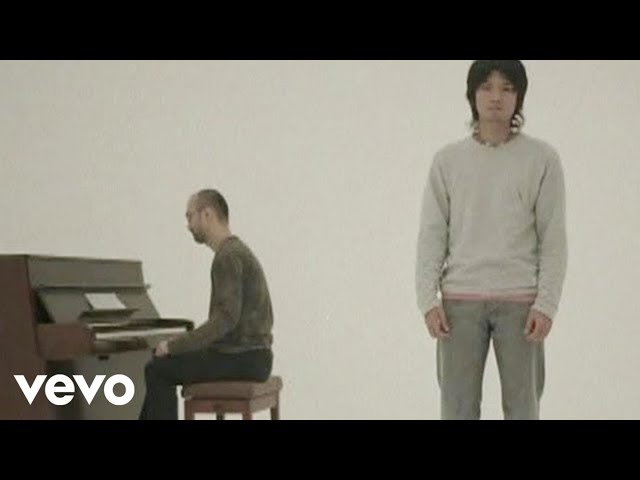
Speaking of cherry blossoms, they are beautiful flowers that herald the arrival of spring.
This song is a masterpiece that overlays the fleeting nature of sakura with the transience of life.
Naotaro Moriyama’s gentle voice vividly depicts a farewell beneath rows of cherry trees.
Released in March 2003, it became a massive hit, selling over one million copies.
Many may know it as the ending theme for the MBS/TBS program “Sekai Ururun Taizaiki.” It’s a song that resonates at life’s milestones and moments of parting.
How about listening to it with older adults and basking in nostalgic memories? Wrapped in the warmth of spring, you can spend a heartwarming moment together.