

[For Seniors] Looks readable but you can't read it! Fish Kanji Quiz


There are many kanji characters that represent fish, and a lot of them are pretty difficult, aren’t they?
Do you know which kanji are used for the fish you usually eat, like sushi, sashimi, or grilled fish?
Unless you’re a real fish enthusiast, there are probably some you don’t know.
In this article, we present a kanji quiz about fish.
We’ve gathered kanji for a variety of fish, starting with familiar ones you often see at the dining table.
Of course, the goal is to get the answers right, but what’s really important in a quiz is the thinking process!
It’s perfect for older adults.
It also works as brain training, so have fun and give it a try!
- Recommended for seniors’ brain training! Kanji quiz workbook of fish names
- [For Seniors] Challenging but Exciting! Kanji Quiz
- [For Seniors] How many can you read? A comprehensive showcase of difficult food kanji
- [For Seniors] Liven Things Up! Fun Fish Trivia Quiz
- [For Seniors] Difficult Country Names Kanji Quiz
- [For Seniors] Fun and Lively! Recommended Quiz Questions
- [For Seniors] Today’s recommended quiz. Daily brain-training quiz!
- [For Seniors] Have Fun with Wordplay Characters! A Collection of Funny Puzzles
- [For Seniors] Introducing Trivia Quizzes and Fun Facts About December
- [For Seniors] Lateral Thinking Game! Brain Training
- [For Seniors] Recommended Trivia Quizzes & Fun Facts for November
- [For Seniors] Looks readable but you can't read it! Fish Kanji Quiz
- [For Seniors] January Trivia Quiz & Fun Facts. Brain training with quizzes about New Year and winter.
[For Seniors] Looks Readable but You Can’t Read It! Fish Kanji Quiz (21–30)
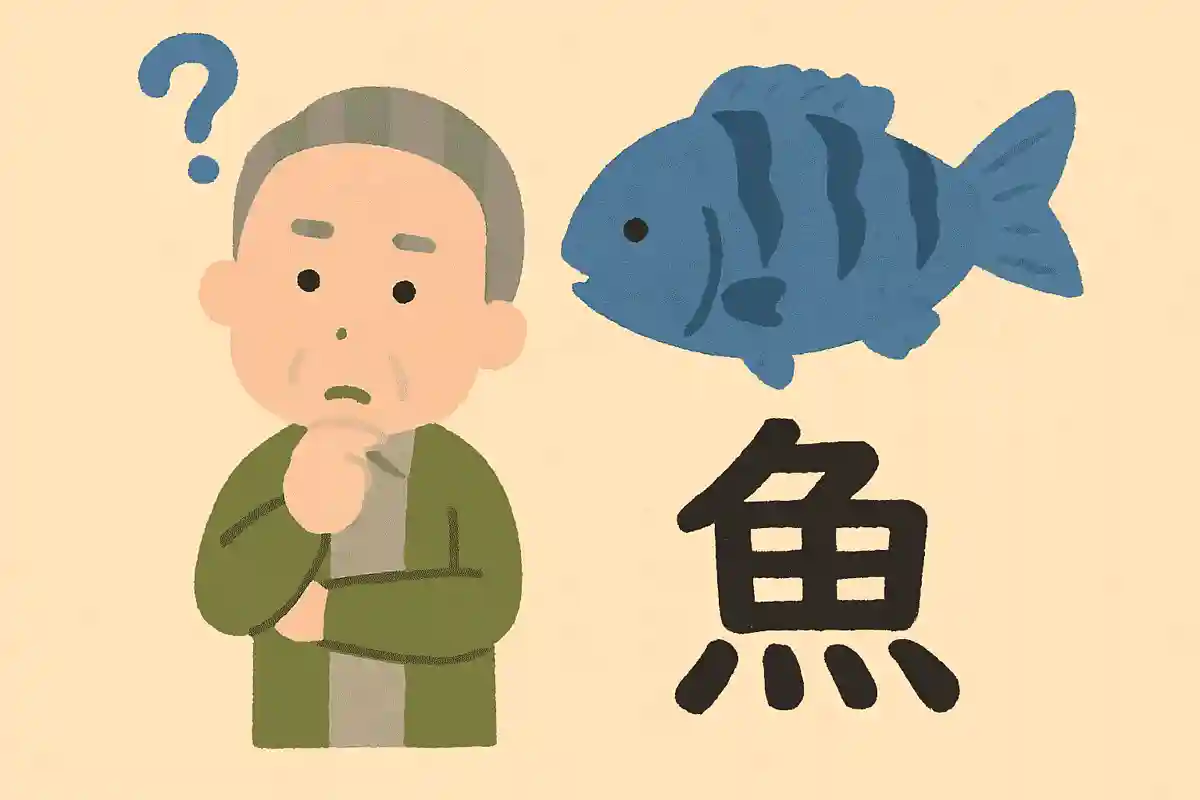
「虎魚」は英語でどう読みますか/発音しますか?
- cod
- cutlassfish
- scorpionfish
See the answer
scorpionfish
The fish written as “虎魚” and read as “okoze” is known for having poisonous spines. The reason it includes “tiger” in its name is that its body pattern looks like a tiger’s. Contrary to its appearance, it’s a very tasty white fish, and it’s said to be especially delicious from spring to summer.

How do you read the character “蝦”?

- shrimp
- salmon
- tuna
See the answer
shrimp
“蝦” is the same as the commonly seen “海老” and is read as “ebi.” “海老” refers to large, hard-shelled shrimp that live on the sea floor and appears in names like Ise-ebi (spiny lobster). Meanwhile, “蝦” refers to medium- to small-sized, softer-shelled shrimp that swim in the water, and is used in names like kuruma-ebi (Japanese tiger prawn) and ama-ebi (sweet shrimp).
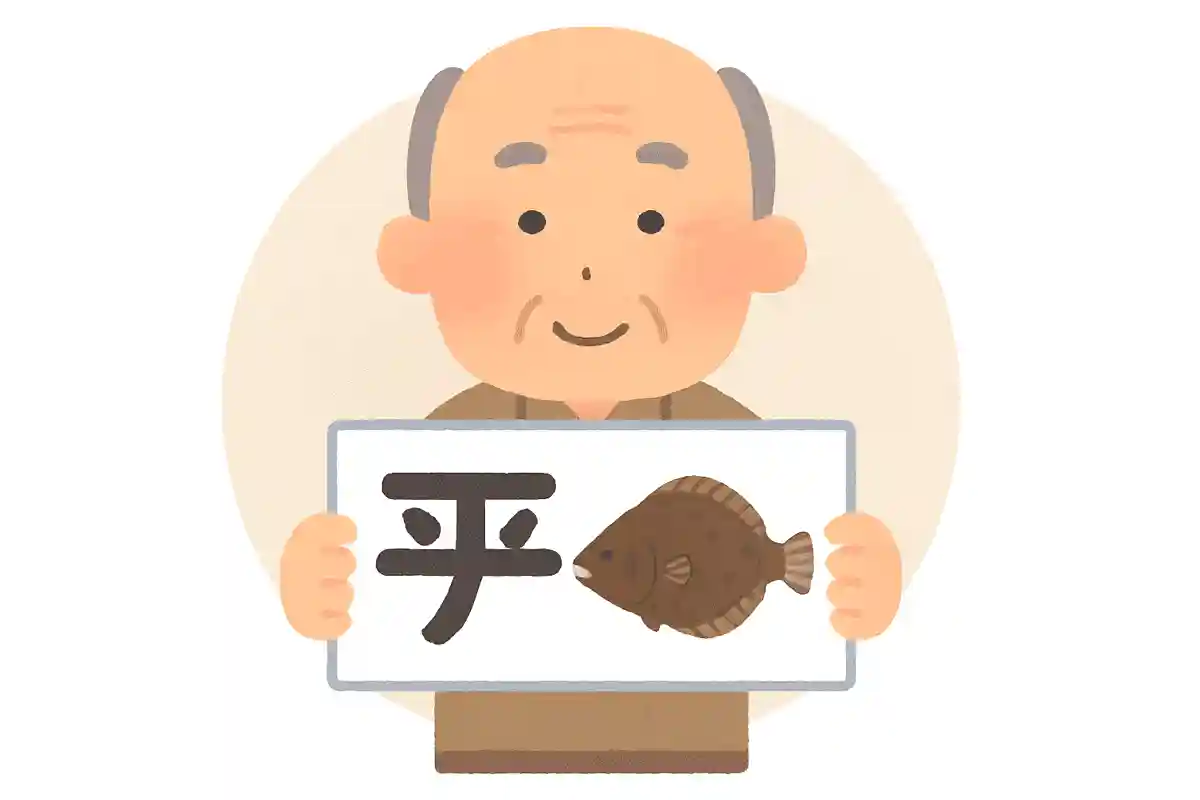
How do you read the character “鮃”?
- mackerel
- Thailand
- flounder
See the answer
flounder
Flounders are fish characterized by their flat bodies. Because of that trait, the kanji 鲽/鮃—using the fish radical with the character for “flat” (平)—came to be used as their name. There’s also a theory that the name hirame derives from the position of their eyes being on one side, focusing on the “side with eyes.” In the past, the kanji 平目 was used, but later 鮃 became the standard character.
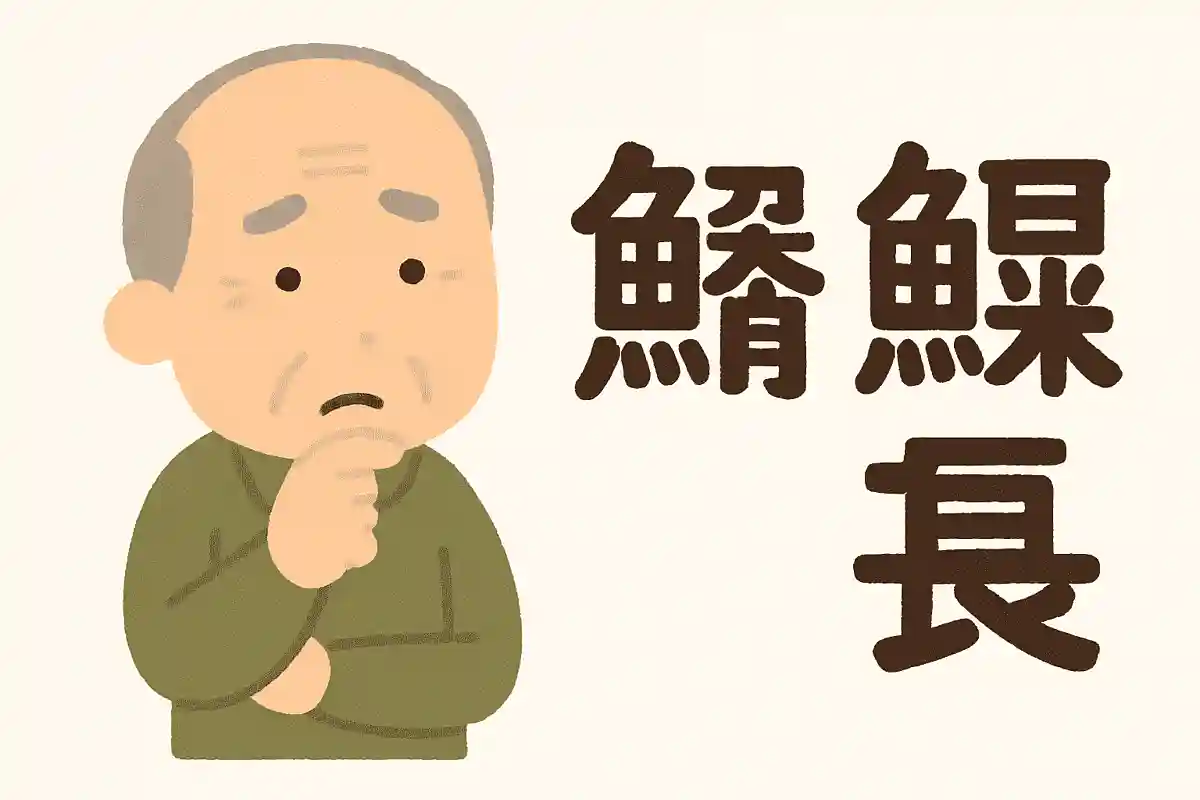
How do you read (pronounce) “鮟鱇”?
- pufferfish
- striped beakfish
- monkfish
See the answer
monkfish
“鮟鱇” is read as “ankō.” Ankō is a deep-sea fish that lives on the ocean floor, and in Japan it’s especially popular in winter as an ingredient for hot pot dishes. The sounds an and kō were associated with the characters for “安” (an) and “康” (kō), which is said to be how the kanji “鮟鱇” came to be used.
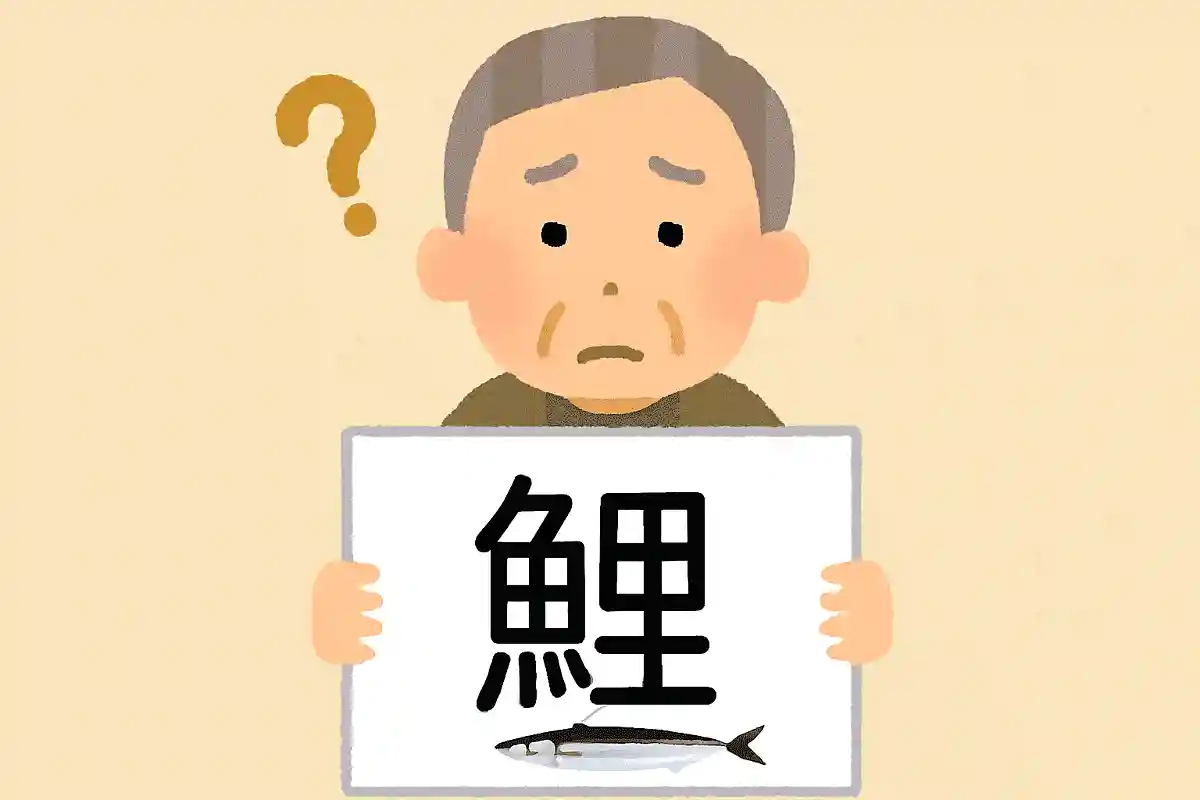
How do you read “鯉”?

- koi (carp)
- salmon
- cod
See the answer
koi (carp)
“鯉” is read as “koi.” The character component 里 in its right-hand part (tsukuri) carries meanings such as “scales” and “muscle/striation.” It is said that this character was chosen because koi have well-developed scales with clearly visible striations. They have long been cherished in Japan both as ornamental and food fish, and are often kept in garden ponds.
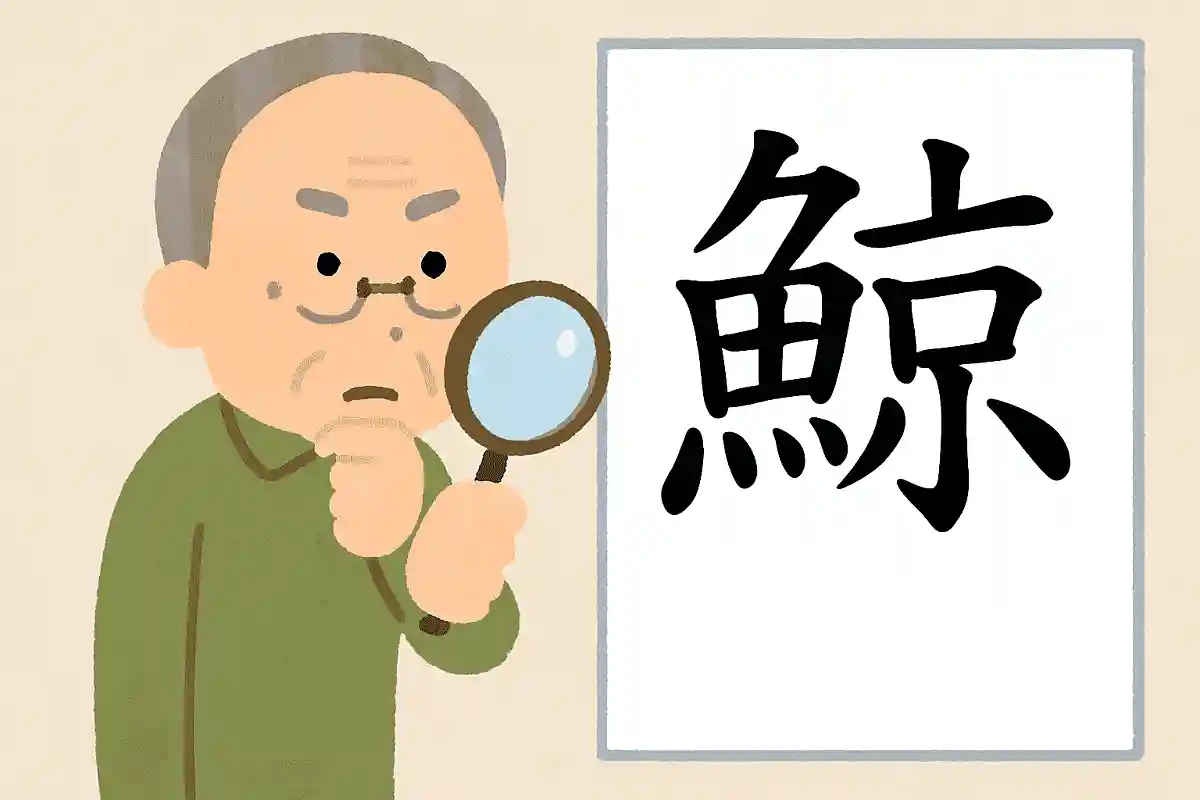
How do you read the character “鯨”?
- moray eel
- whale
- shark
See the answer
whale
The kanji for whale is written with the fish radical and the character 京. The character 京 carries the meaning of a high hill. It was also used as a symbol for something large, so the kanji for whale came to mean “a fish as big as a hill.” In the past, whales were thought to be fish rather than mammals.
How do you read/pronounce “鰆”?
- horse mackerel
- Spanish mackerel
- sardine
See the answer
Spanish mackerel
The name sawara (Spanish mackerel) is said to come from its slender, narrow belly—“sawa” (narrow) and “hara” (belly) becoming “sawara.” There’s also a theory that the kanji used for it derives from the fact that it’s often caught in spring. For this reason, it’s sometimes called a fish that heralds the arrival of spring.