

[For Seniors] Surprisingly Unknown! General Knowledge Quiz


Because older adults have a wealth of life experience, they tend to have a lot of general knowledge.
Even so, there may still be things they don’t know yet.
This time, we’re introducing a general-knowledge quiz recommended for seniors.
There are many things people surprisingly don’t know, and some may learn something for the first time through this quiz! No matter your age, making new discoveries is exciting.
Aiming for a perfect score can also be a great opportunity to study a variety of topics.
Thinking is also recommended for dementia prevention.
Enjoy building your knowledge together with everyone.
- [For Seniors] Fun and Lively! Recommended Quiz Questions
- How much do you know? Trivia quiz for seniors that’s full of surprisingly unknown facts
- [For Seniors] Fun and Informative Trivia Quiz Collection
- [For Seniors] Fun and Informative! Trivia and Quizzes Introduced
- [For Seniors] Trivia Multiple-Choice Quiz
- [For Seniors] Laugh-Out-Loud, Crowd-Pleasing! Fun Quiz
- Surprisingly unknown? Trivia Quiz [Multiple Choice: 3 Options]
- [For Seniors] Trivia Quiz & Fun Facts for Everyday Life
- [For Seniors] Fun and Informative! Health Trivia Quiz
- [For Seniors] Fun! Let’s Get Excited with Japan’s Number One Quiz
- [For Seniors] Who Am I? Quiz: A Fun Set of Questions with Exciting Hints
- Quiz on things whose names differ between the past and now. Differences between old terms and modern terms.
- [For Seniors] Sports Trivia Quiz & Fun Facts. Easy and Entertaining
[For Seniors] Surprisingly Unknown! General Knowledge Quiz (21–30)
Common Knowledge Kanji Quiz

Is being able to read it a given!? Here are some ideas for a common-knowledge kanji quiz.
Even with so-called common kanji, everyone makes mistakes… Try training your brain while taking on the quiz.
For example, you might see the word “出汁” and get a question like, “How do you read this kanji?” There are 20 such questions.
Try to focus and take on the quiz so you can answer within the 10-second time limit.
Getting the answers right might even boost your self-esteem!
What was the original purpose of kombu-jime?
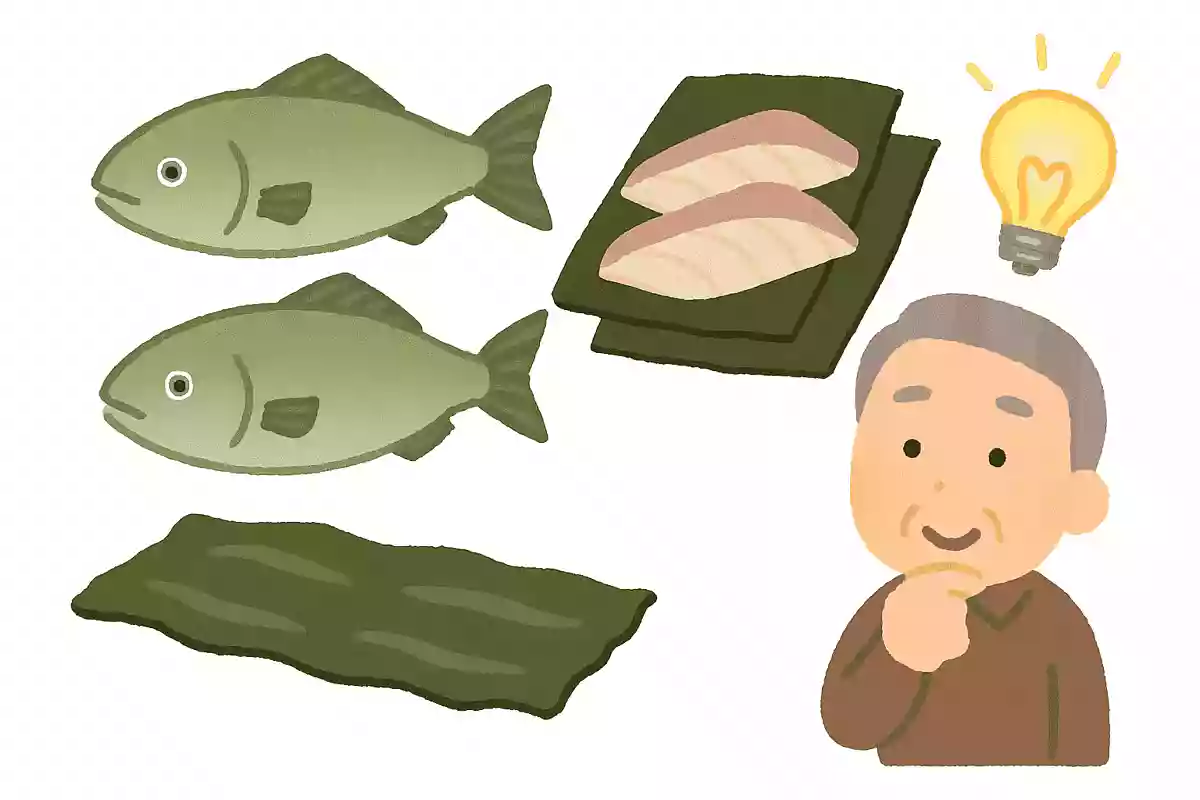
Knowing the origins can change how you see a dish! Here’s a trivia quiz: What was the original purpose of kombu-jime (curing with kelp)? The correct answer is “to make it last longer.” In the days before refrigerators, our predecessors found ways to extend the shelf life of fish and meat by drawing out excess moisture.
Most households now have refrigerators, but this method is still loved today.
Even the dishes we take for granted reflect the ingenuity of those who came before us, inspiring a renewed sense of gratitude.
Which of the following days does the Christian “Easter” refer to?

- The day Jesus Christ was born
- The day Jesus Christ was resurrected
- The day Jesus Christ was executed
Jesus Christ was crucified and executed, but later his tomb was found empty, and he is believed to have risen. Easter is an important Christian event that celebrates the resurrection of Jesus Christ. It is observed on the Sunday following the first full moon after the vernal equinox.

It’s a rotary-dial black telephone, but how many holes did it have?

- 10 pieces
- 11 pieces
- 9 pieces
See the answer
10 pieces
The rotary black telephone had a disk-shaped dial in the center, and turning this dial would place a call. The dial had holes corresponding to the numbers 0 through 9, for a total of 10. Therefore, the correct answer is 10.
If the exchange rate fluctuates from 110 yen per dollar to 100 yen per dollar, what is this phenomenon called?

- strong dollar
- weak yen
- yen appreciation
See the answer
yen appreciation
In the foreign exchange market, when the rate moves from 1 dollar = 110 yen to 1 dollar = 100 yen, it means the value of the dollar has fallen, the value of the yen has risen, and the yen has strengthened against the dollar. This phenomenon is called “yen appreciation.”
“Tama-chan,” who became popular in 2002 in the Tama River—what kind of animal was it?

- seal
- dolphin
- penguin
See the answer
seal
Tama-chan was a male bearded seal who was sighted in the Tama River in 2002, and his adorable appearance captured the interest of many people. He was a juvenile about one year old when discovered, measuring around one meter in length. Seals usually live in the sea, but for some reason he was found in a river.
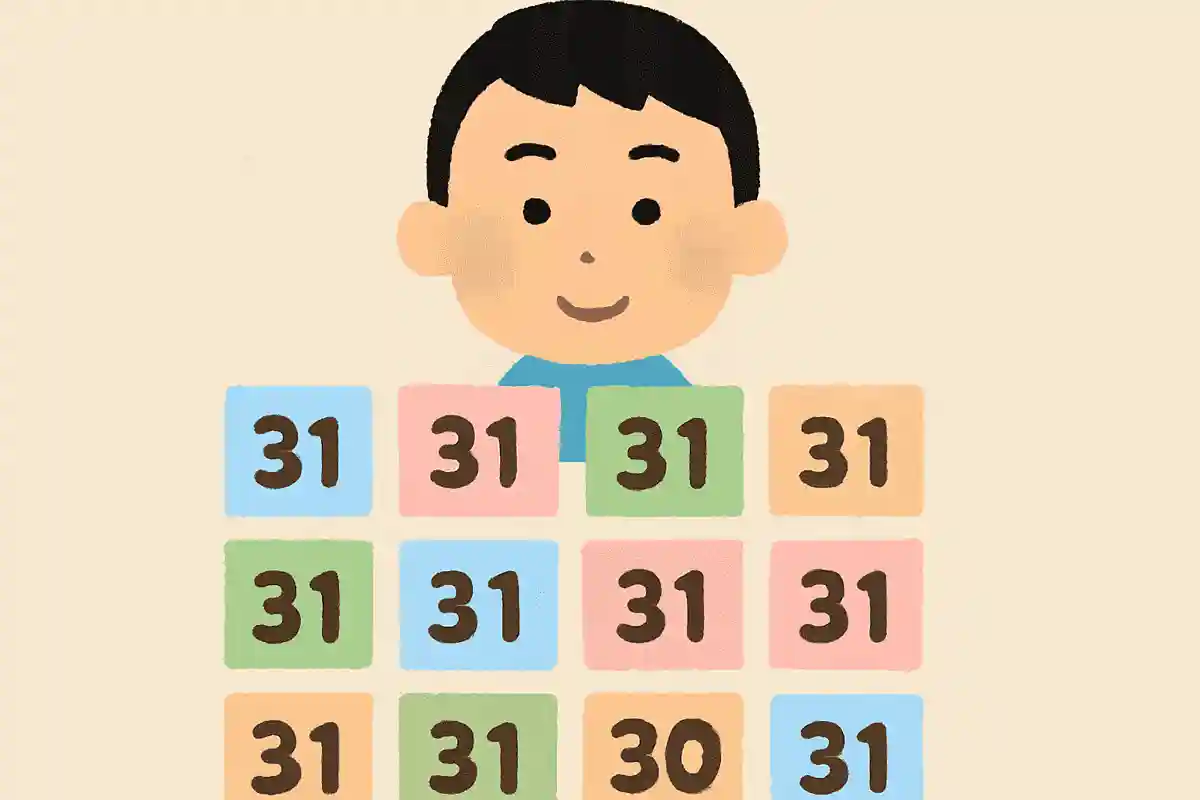
There are 12 months in a year, but which of the following months does not have 31 days?
- February
- April
- November
See the answer
February
February usually has only 28 days (29 in a leap year). Therefore, it is not among the months that have 31 days. Other months without 31 days are April, June, September, and November—five months in total. Many people remember this with the mnemonic “Nishi muku samurai,” which helps recall which months don’t have 31 days.