

[Hyogo Prefecture Local Quiz] Introducing questions for seniors!

When you think of Hyogo Prefecture, what comes to mind?
It’s full of charm—history, culture, gourmet food, and more.
Even within the Kansai region, it’s an area with many sightseeing spots.
Let’s explore Hyogo Prefecture this time with a three-choice quiz!
These quiz questions are great brain training.
They’re perfect for dementia prevention among seniors, too.
The quiz we’re introducing focuses on history, culture, and various areas of Hyogo Prefecture.
We’ve prepared questions that anyone can try regardless of age, so please give it a go!
- [For Seniors] Get Excited by Knowing the Answers! Tricky Quiz
- [For Seniors] Trivia Multiple-Choice Quiz
- Let's Discover the Charm of Kansai Dialect! A Kansai Dialect Quiz for Seniors
- For Seniors: Local Quizzes of Osaka Prefecture, from Famous Tourist Spots to Food
- [General] Surprisingly unknown? Test your geography skills with a three-choice quiz on Japan’s prefectures
- [For Seniors] 3-Choice Dialect Quiz! A Collection of Fun Dialect Quizzes from Around Japan
- [For Seniors] Fun Multiple-Choice Geography Quiz for Everyone (3 Options)
- [For Seniors] Fun! Let’s Get Excited with Japan’s Number One Quiz
- [For Seniors] Fun Brain Training! Prefecture Quiz
- [For Seniors] Sports Trivia Quiz & Fun Facts. Easy and Entertaining
- [For Seniors] Enjoyable Brain Training! Liven Up with a Local Three-Choice Quiz
- [Nara Prefecture Local Quiz] Introducing a multiple-choice quiz for seniors (three options)!
- For Seniors: Shiga Prefecture Local Quiz – Learn About Famous Tourist Spots and Regional Cuisine
[Hyogo Prefecture Local Quiz] Introducing Questions for Seniors! (1–10)
Who is this person who served as the first Governor of Hyogo Prefecture and later became Prime Minister?
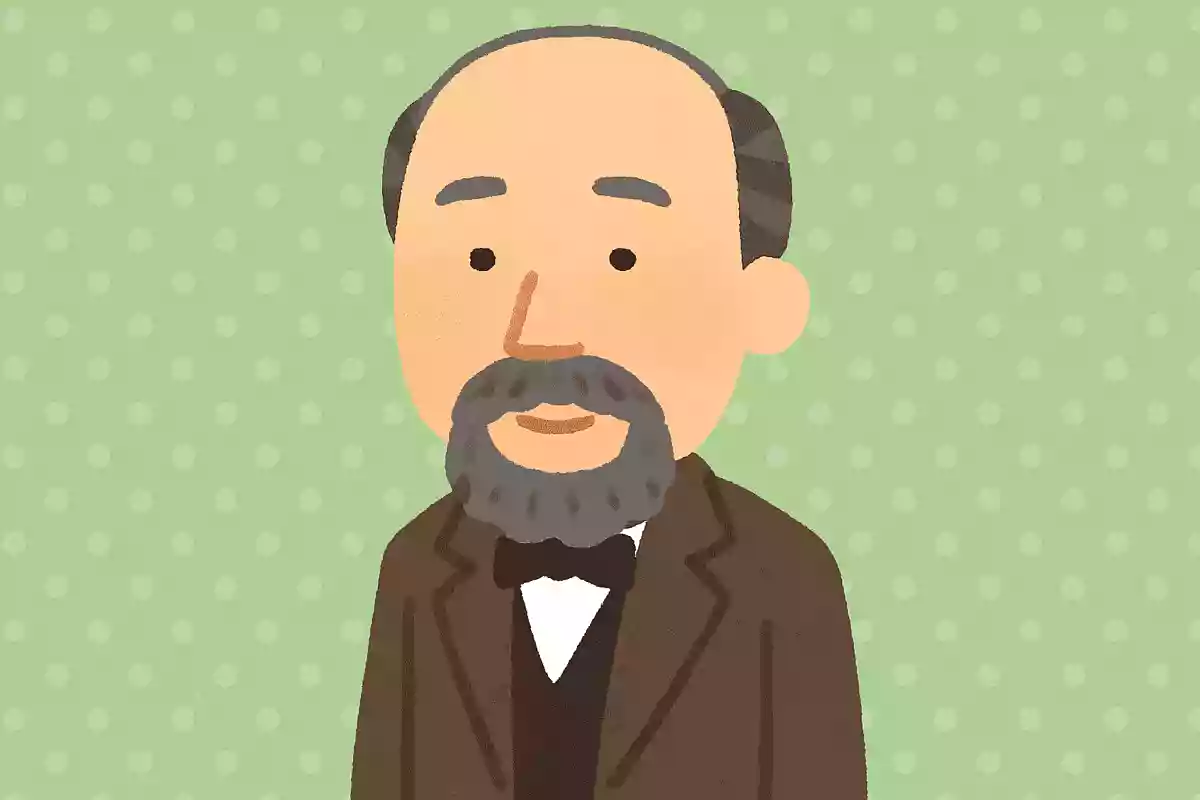
- Hirobumi Ito
- Shigenobu Ōkuma
- Kiyotaka Kuroda
See the answer
Hirobumi Ito
After serving as Japan’s first governor of Hyogo Prefecture, Hirobumi Ito became the first Prime Minister of Japan during the Meiji era. He is also known as someone who made a significant contribution to the modernization of Japan’s political and administrative systems.
What is the artificial island created within Kobe Port in Chuo Ward, Kobe City called?
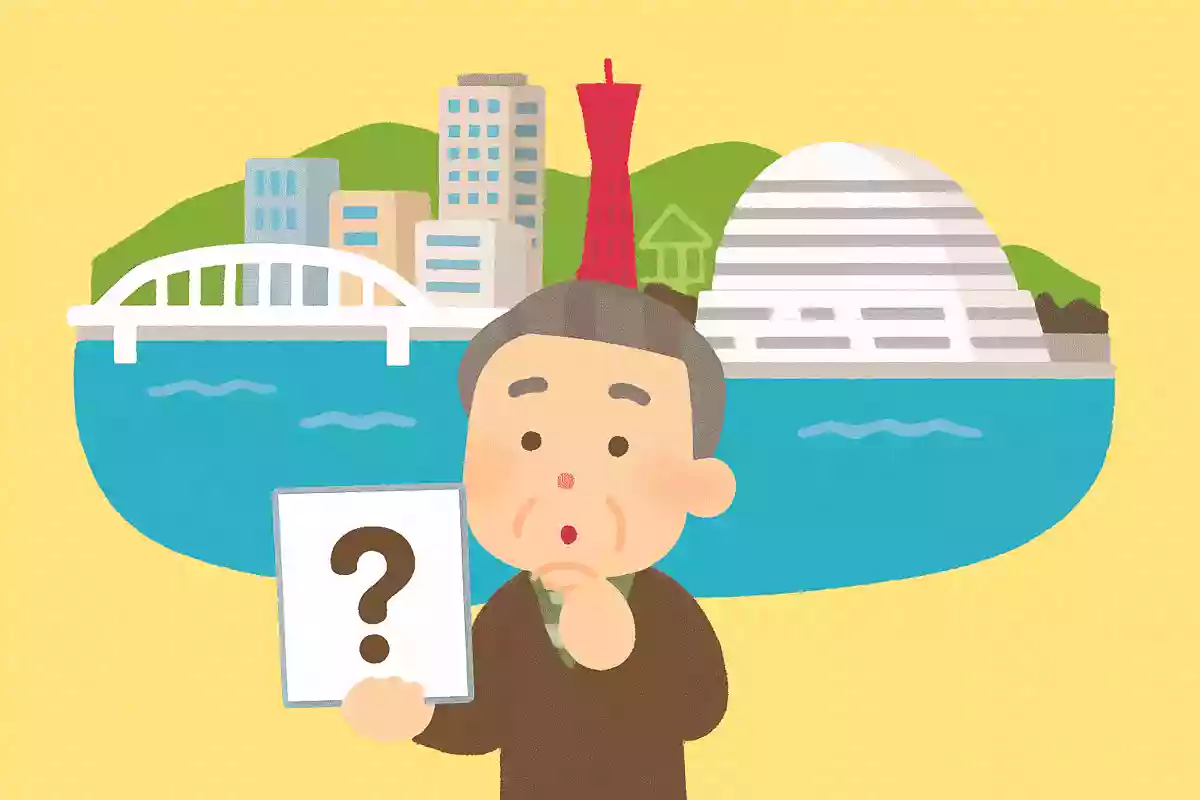
- Port Island
- Peace Island
- Meriken Island
See the answer
Port Island
Port Island is an artificial island located in Chuo Ward, Kobe. It was completed in 1981 and was the world’s largest artificial island at the time. The area features numerous tourist attractions, including the Kobe Port Tower, Kobe Port Museum, and Kobe City Museum. It is also home to an international conference center, hotels, and office buildings, serving as a hub for international business.
Which of the following is the name of a station that actually exists in Hyogo Prefecture?
- Taro
- Jiro
- Shirō
See the answer
Jiro
There is a station called Jirō Station in Kobe City, Hyogo Prefecture. It is said that the name comes from Miyazaki Danjō Jirō Hirotsuna, a retainer of Taira no Noritsune who died in the Battle of Dan-no-ura, who developed this area.
[Hyogo Prefecture Local Quiz] Introducing questions for seniors! (11–20)
How do you say “won’t come/don’t come” in the Hyogo dialect?
- not coming
- Kiihin
- won't come
See the answer
won't come
In Hyogo, people say 'koohen' to mean 'won’t come.' 'Kiihin' is Kyoto dialect, and 'kehen' is Osaka dialect, both meaning 'won’t come.'
In Takarazuka City, Hyogo Prefecture, there is the Takarazuka Revue’s training school and its Grand Theater. Which classes exist within the Takarazuka Revue?

- Rain Troupe
- Cloud Group
- Moon Troupe
See the answer
Moon Troupe
The Takarazuka Revue is composed of five troupes—Cosmos (Sora), Moon (Tsuki), Star (Hoshi), Flower (Hana), and Snow (Yuki)—plus a Special Course. There are no troupes such as Rain or Cloud.
Hyogo Prefecture is home to Koshien Stadium. What is the soil of Koshien Stadium made of?

- red clay
- Black soil and white sand
- black soil
See the answer
Black soil and white sand
The soil at Koshien Stadium was originally whitish, making the ball hard to see. After trying various types of soil and through trial and error—such as testing sliding—the staff in charge at the time arrived at the current blend of black soil and white sand.
In Hyogo Prefecture’s specialty products, what is the general term for juvenile fish such as ayu (sweetfish), sardines, eels, herring, and sand lance?
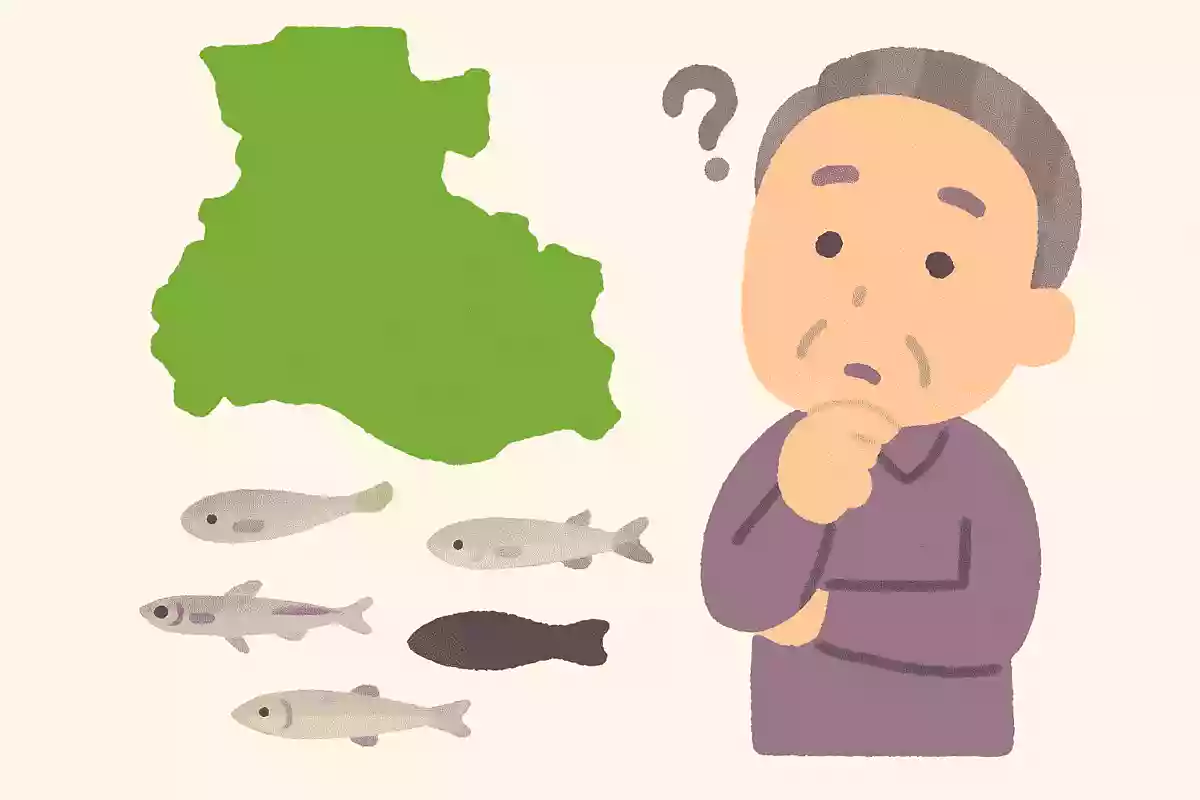
- whitebait
- avoid, dodge, evade (context-dependent; can also mean to parry, to exchange—e.g., words or cups—depending on usage)
- to soil; to stain; to defile
See the answer
whitebait
Hyogo Prefecture boasts Japan’s largest whitebait catch, exceeding 10,000 tons annually. It’s also famous for delicacies like odorigui—eating live shirasu.