

[For Seniors] Popular Karaoke Songs That Everyone Can Enjoy Together

Some elderly care facilities may incorporate karaoke as a recreational activity, don’t you think?
For older adults who enjoy singing, karaoke can be one of the highlights.
So this time, we’ll introduce “Recommended Karaoke Songs for Seniors”!
Singing can help relieve stress, and pronouncing lyrics with your mouth open also serves as a form of oral exercise.
What’s more, it allows people to reminisce about the era when the songs were popular.
Recalling the past provides a healthy level of stimulation for the brain and can help keep it active, which may aid in dementia prevention.
Enjoy a fun time with these recommended karaoke songs for seniors!
- Ranking of popular songs for senior citizens
- [For Seniors] Crowd-Pleasers! A Collection of Classic Karaoke Songs
- [For Seniors] Songs Everyone Can Sing Together! A Roundup of Recommended Crowd-Pleasers
- [For Seniors] Winter songs you'll want to hum along to. A collection of classic tunes recommended for BGM and recreational activities
- [Recommended for people in their 70s] Songs that get everyone excited. Songs you’ll want to sing at karaoke.
- [For Seniors] Let’s Have Fun Together! Introducing Uplifting, Energizing Songs
- [For Seniors] Recommended Songs for Care Activities and Events! Crowd-Pleasers That Bring Joy
- [For Seniors] Have Fun and Relieve Stress! Introducing Dances Everyone Can Enjoy Together
- Easy-to-sing songs recommended for women in their 70s: A collection of classic hits perfect for karaoke
- [For Seniors] Spring Songs You'll Want to Hum: Feel the Season with Nostalgic Classics
- Songs to Enjoy with Women in Their 90s: A Collection of Karaoke Crowd-Pleasers
- [For Seniors] Beloved songs to sing in December: heartwarming moments with nostalgic kayōkyoku and children’s songs
- [For Seniors] Introducing recommended songs to give on Respect for the Aged Day
[For Seniors] Popular Karaoke Songs That Get Everyone Excited (131–140)
Tennessee WaltzEri Chiemi

The original song of Tennessee Waltz is an American country music piece published in 1948.
In Japan, Chiemi Eri’s Japanese-language version, sung in 1952, became a huge hit; this sparked the spread of jazzy Western music—then a boom only in urban centers—across the entire country.
In 2003, Chie Ayado performed a cover on NHK’s Kōhaku Uta Gassen.
The song expresses the anguished feelings of someone who has suffered a cruel betrayal—having a lover stolen by a friend.
After singing it, you’ll likely find yourselves excitedly swapping stories of past romances.

Shopping BoogieKasagi Shizuko
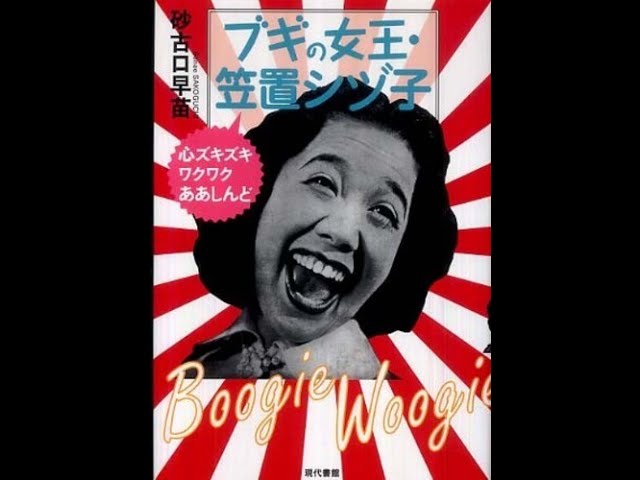
Shopping Boogie” is memorable for its brisk tempo and Osaka dialect.
It’s been covered by a variety of artists—idol duo KinKi Kids, Kanjani Eight, Sachiko Kobayashi, Keisuke Kuwata, and more—so you’ve likely heard it at least once.
The tricky lyrics list off purchased items, repeatedly shout “ossan” (old man), and even deliver a punchline at the end—once you hear it, you won’t forget it.
The tempo is a bit fast, so it might be tough for everyone to sing together, but even joining in on the parts you know is more than enough to get the crowd going.

Life is like a Naniwa-bushi (a melodramatic ballad).Hosokawa Takashi

This classic enka song, inspired by the traditional Japanese musical art of rōkyoku, vividly portrays the subtleties of life with deep emotion.
Takashi Hosokawa’s powerful vocals beautifully express life’s joys and sorrows.
Released in 1977, the piece captivated many, earning appearances on NHK’s Kōhaku Uta Gassen and winning multiple awards, including the Japan Cable Radio Awards.
With its universal themes that resonate with each listener’s life experiences, it’s perfect for recreational activities in care facilities or for enjoying music with family.
We hope everyone can form a circle, sing together, clap along, and share a joyful moment.
Tangled HairMisora Hibari

When you think of Hibari Misora, she is of course well known among older people, but also across a wide range of generations as a singer who represents the Showa era.
She has many nationally beloved signature songs, and both her personality and her music continue to be loved and passed down even after her passing.
“Midaregami” was released in 1987.
The song is actually inspired by the Shioyasaki Lighthouse in Fukushima Prefecture.
The lyrics portray, with exquisite delicacy and beauty, the changing seasons as seen from that lighthouse.
It’s a moving piece that will surely touch your heart and leave you deeply moved.

a bright red sunMisora Hibari

This song beautifully blends the seasonal feel of love with a passionate rock sound.
Evoking the image of the midsummer sun, its vivid composition richly portrays young love by the seaside in summer, dramatizing the changing emotions of romance as the seasons shift.
The unique world conjured by Hibari Misora’s powerful vocals is captivating.
Released in May 1967 as a track on her 20th anniversary album in show business, “Uta wa Waga Inochi,” it became a massive hit, selling over 1.4 million copies.
It’s a perfect choice for karaoke at day service centers, offering a heart-lifting melody and a chance to bask in wonderful memories.
Hey, Nakamura-kun!Wakahara Ichirō

Ichiro Wakahara’s “Hey, Nakamura-kun” is a classic full of Showa-era charm.
It portrays the life and friendships of office workers and is likely to resonate with older listeners.
The song’s theme is a call-out to a newlywed colleague, carrying the wish to cherish the bonds with old friends.
Released in 1958, it was a popular hit that also appeared on NHK’s Kohaku Uta Gassen.
The lyrics convey a friend’s kindness, with lines like, “Let them think we’re the bad ones—leave the apologies to me.” It’s a song everyone can enjoy singing together while reminiscing about old times.
The Bells of NagasakiFujiyama Ichirō

Ichiro Fujiyama’s “Nagasaki no Kane” is captivating for its heartfelt lyrics and beautiful melody.
It’s a classic that sings of hope for postwar recovery and is familiar to many older adults.
The sound of the bell resonates in the heart and brings back nostalgic memories.
Singing it at karaoke encourages opening the mouth wide and projecting the voice, making it a good exercise for the mouth.
Singing together lets everyone enjoy a pleasant time.
Its relaxed tempo also makes it easy to sing slowly.
It might be nice to sing it with older adults and let conversations blossom about memories from that time.