

[Koinobori] Trivia Quiz & Fun Facts! For Seniors

For those looking for quizzes for seniors: This time, we’re bringing you questions about koi nobori (carp streamers).
Koi nobori are displayed on Children’s Day to pray for children’s healthy growth.
Do you know the origin of these carp streamers? In fact, their current way of display has evolved through various historical changes.
Be sure to try this quiz and see how koi nobori have changed over time.
There are also questions about how to display them and about the song, so it’s great for quizzing your grandchildren too!
- [For Seniors] Trivia Quiz & Fun Facts about Stars. Brain Training
- [For Seniors] Hina Matsuri (Girls’ Day) Trivia Quiz & Fun Facts. Recommended for Dementia Prevention Activities
- Recommended for seniors! Liven up your event with a Respect-for-the-Aged Day quiz!
- [For Seniors] Trivia Quiz & Fun Facts for June
- [For Seniors] Introducing trivia related to May!
- [For Seniors] Summer Festival Trivia Quiz & Fun Facts. Enjoyable Quizzes That Boost Your Knowledge
- [For Seniors] Tanabata Trivia Quiz: Simple and Fun
- [For Seniors] How Many Can You Answer? Fun Sushi Trivia Quiz & Tidbits
- [For Seniors] Trivia Quiz & Fun Facts for Everyday Life
- [For Seniors] Summer-Themed Trivia Quiz & Fun Facts Collection
- [For Seniors] Fun and Informative! Health Trivia Quiz
- [For Seniors] Easy Koinobori Crafting: A Collection of Fun Ideas Using Various Materials
- For Seniors: Useful Trivia Questions! Introducing Fun Facts Quizzes You'll Want to Share
[Koinobori] Trivia Quiz & Fun Facts for Seniors (1–10)
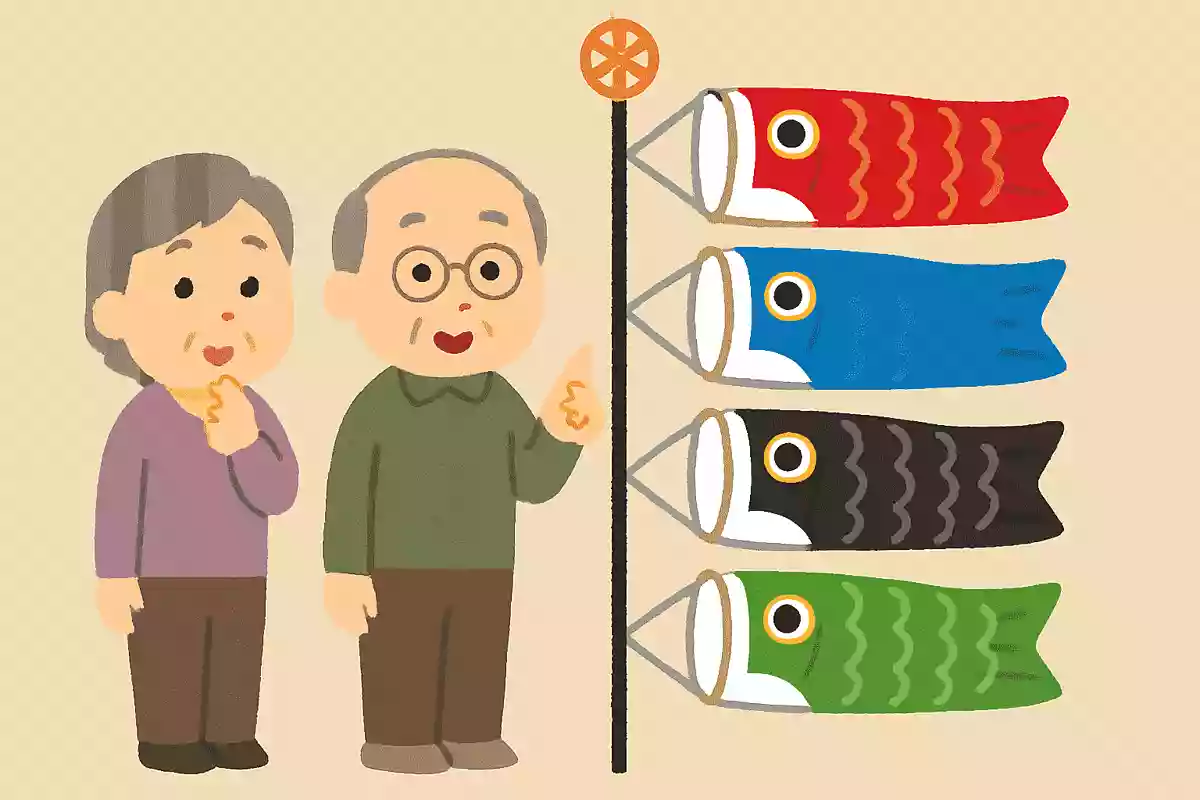
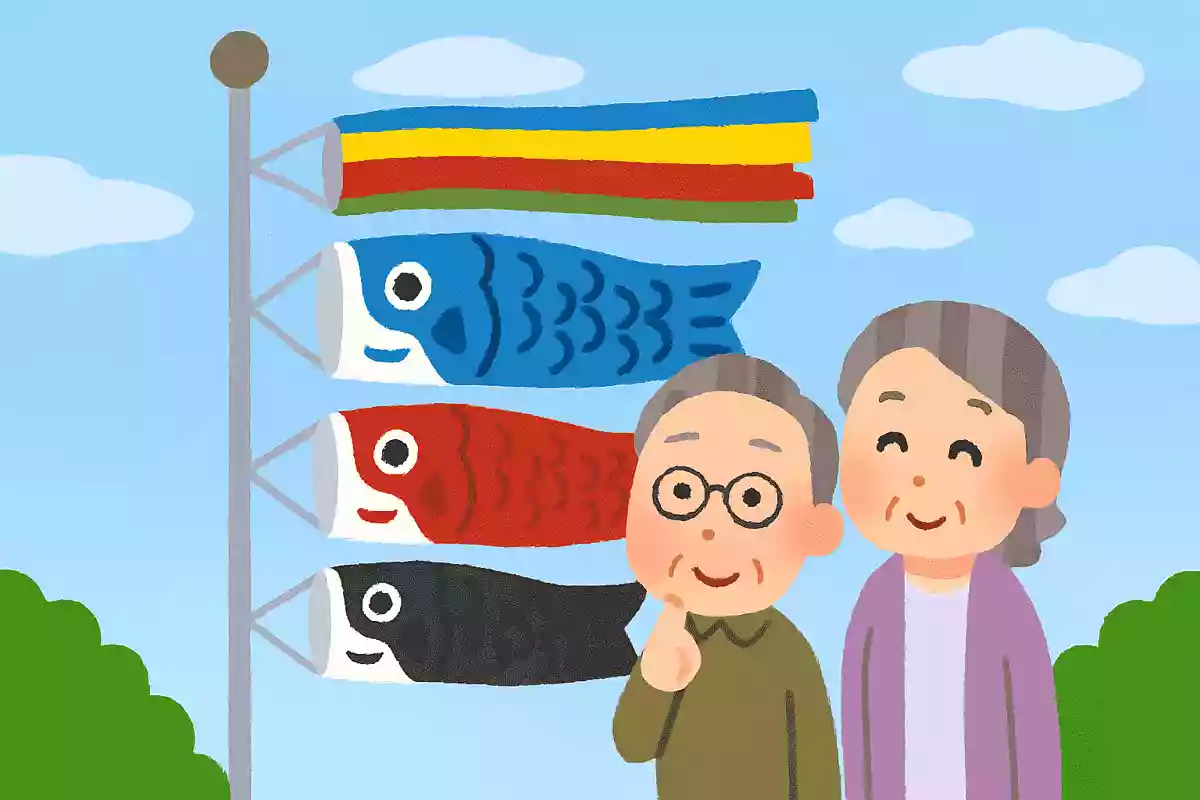
What is the color of the ‘Koinobori’ streamer, generally?
- the very top
- the very bottom
- middle
See the answer
the very top
The streamer of a koinobori (carp windsock) is attached at the very top. It makes the swimming motion of the carp in the wind look more beautiful, and it also serves to indicate the wind’s direction.

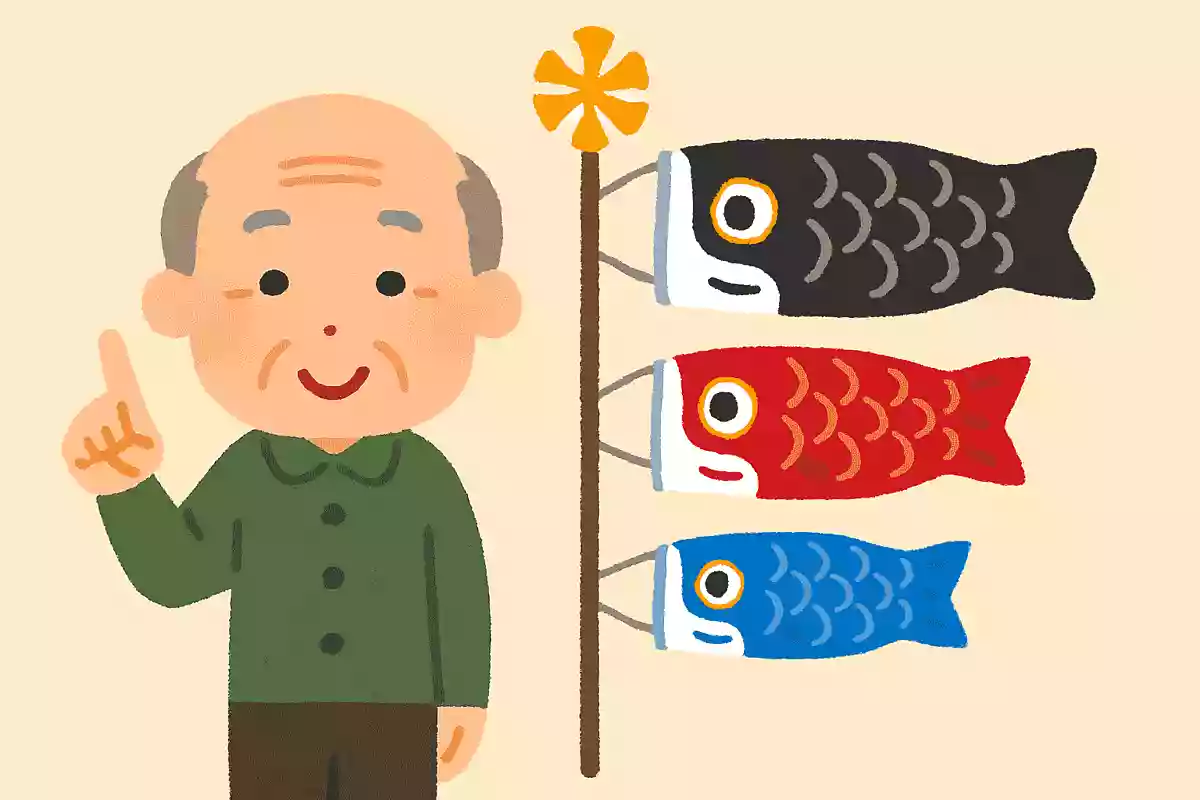
In the Edo period, how many carp streamers were there?
- one animal
- two animals
- three animals
See the answer
one animal
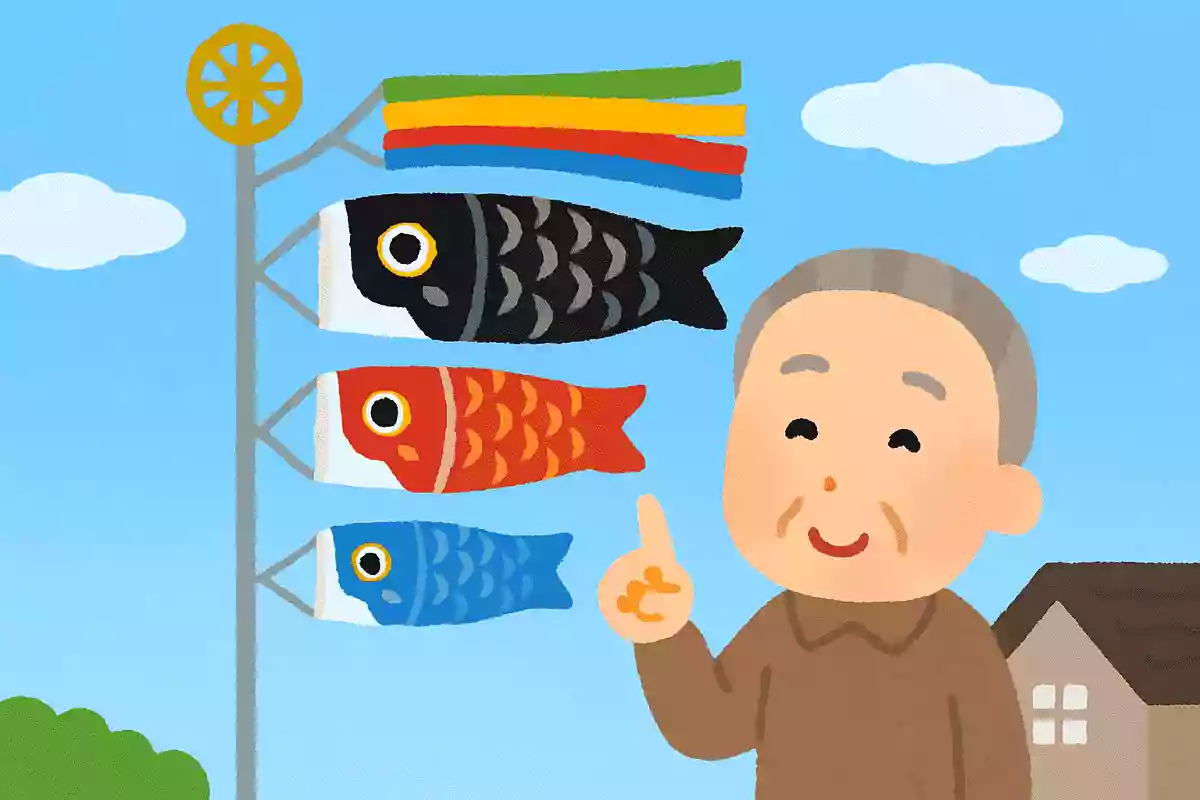
In the Edo period, it was common to display just one black carp. Nowadays, some families add more carp streamers when a boy is born.
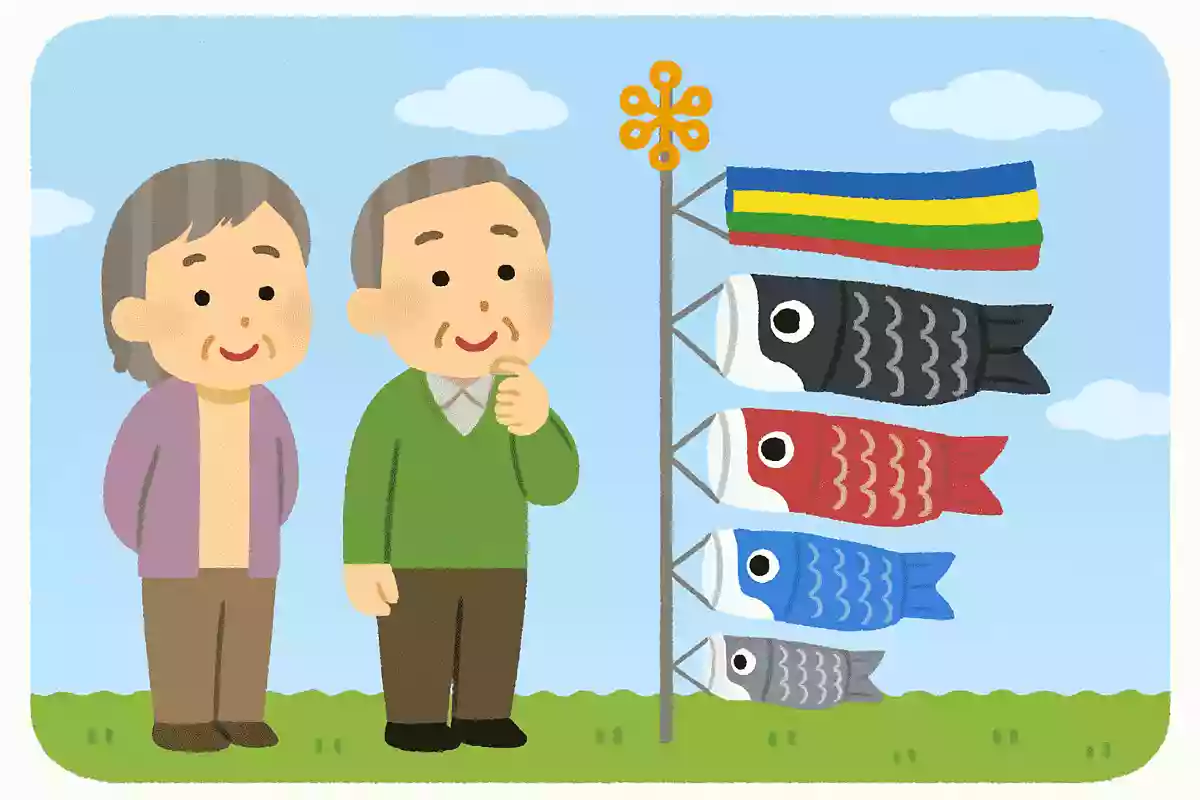
The koi-nobori ‘streamer’ has five colors. What do these colors represent?
- Five Elements theory (Metal, Wood, Water, Fire, Earth)
- Seasonal changes
- Family composition
See the answer
Five Elements theory (Metal, Wood, Water, Fire, Earth)
The five colors used for the streamers on koinobori are based on the Chinese Five Elements theory. They represent metal, wood, water, fire, and earth, which are considered the fundamental elements of the universe. By using these colors, people express wishes for their family’s health and harmony.
[Koinobori] Trivia Quiz & Fun Facts! For Seniors (11–20)
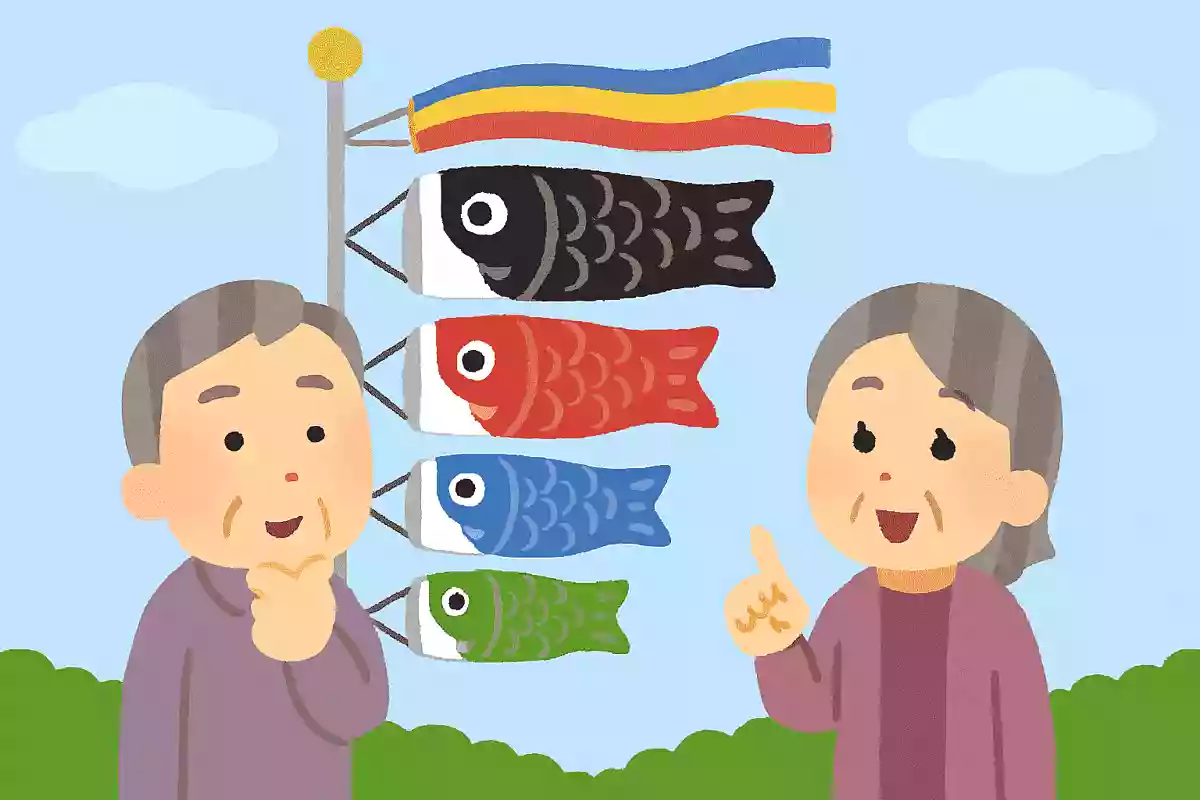
Since when have people begun to display koi-nobori (carp streamers)?
- Meiji era
- Heian period
- Edo period
See the answer
Edo period
The custom of displaying koinobori (carp streamers) is said to have begun in the Edo period. Initially, it was a practice observed only among samurai. It seems that it gradually spread to the common people as well.
In which historical period did people start using washi paper for koinobori?

- Heian period
- Muromachi period
- Edo period
See the answer
Muromachi period
It is said that the use of washi paper for koinobori dates back to the Muromachi period. The use of washi is thought to have added color and made them look more splendid.
Are koi-shaped streamers displayed in other countries as well?
- There is the same custom in foreign countries.
- It was originally a foreign custom.
- It’s hardly known abroad.
See the answer
It’s hardly known abroad.
Koinobori are a custom unique to Japan. In other countries, they may be displayed at events that showcase Japanese culture.
In the carp streamer song, what lyrics come after “Higher than the rooftop, koi-no-bori (carp streamers)”?
- Fluttering, waving streamers
- The big common carp is the father.
- The small baby koi are children.
See the answer
The big common carp is the father.
The lyrics that follow “Carp streamers higher than the roof” are “The big black carp is the father,” right? In the song, the “big black carp” represents the father and the “small red carp” represents the children, so they are depicted as symbols of the family.