

[For Seniors] Lateral Thinking Game! Brain Training

Lateral thinking games, where a shift in perspective is key, are a new kind of brain training that stimulates the minds of older adults.
By breaking free from conventional wisdom and fixed ideas and thinking with a flexible viewpoint, you can expect improvements in cognitive function and flashes of insight.
It’s great to ponder on your own, and it’s also fun to arrive at answers by chatting and brainstorming with family and friends!
This time, we’re introducing lateral thinking quizzes designed for older adults, with adjusted difficulty and content so that anyone can enjoy them.
- [For Seniors] Exercise Your Brain with Fun Logic Puzzles!
- [Riddle Quiz for Seniors] Brain Training Perfect for Mental Exercise
- [For Seniors] Recommended for Brain Training! Ultra-Difficult Quizzes and Riddles
- [For Seniors] Brain Training Recommended for Dementia Prevention
- [For Seniors] Brain-Training Recreation Using a Whiteboard
- [For Seniors] Think and Have Fun: Introducing Brain-Stimulating Logic Puzzles
- Fun Brain Training! Memory Games for Seniors
- Hand games that liven things up for seniors—also great brain training
- [For Seniors] Extremely Effective Brain Training! A Fun Collection of Hand Games
- [For Seniors] Fun Riddles That Stimulate the Brain
- [For Seniors] Fun and Engaging Brain-Training Recreation
- [For Seniors] Fun Brain Training! Lively Mind Exercises
- [For Seniors] Challenge Your Brain with Super-Hard Quizzes! A Collection of Tough Questions That Feels Great Once You Know the Answer
[For Seniors] Lateral Thinking Game! Brain Training (11–20)
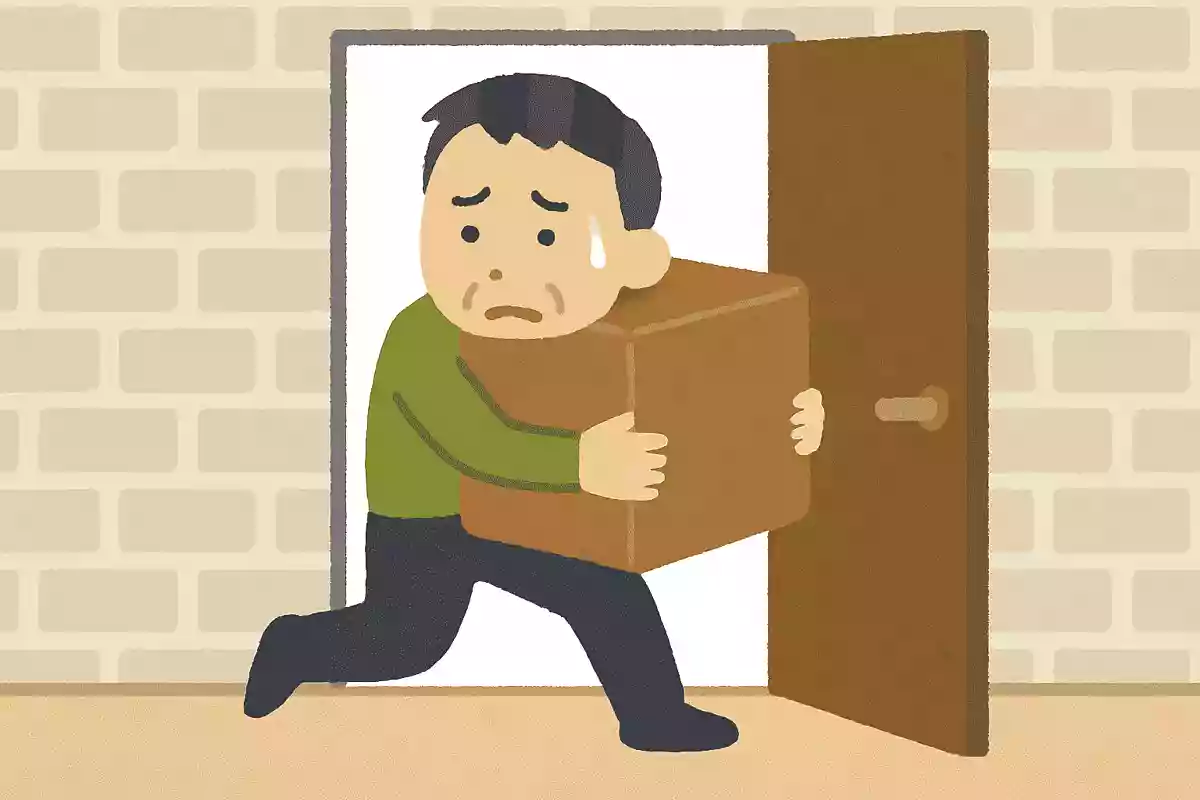
The man tried to escape from a certain place, but what he was carrying was too large and he couldn’t move. What does that mean?
See the answer
The man tried to take his car out of the coin-operated parking lot, but he only had a 10,000-yen bill and couldn’t pay.
In this problem, we consider the reason why someone couldn’t move because what they had was “too big.” In fact, the man was trying to take his car out of a coin-operated parking lot, but the only money he had for payment was a 10,000-yen bill, and he didn’t have enough coins to pay the parking fee. As a result, he couldn’t make the payment and ended up unable to move.
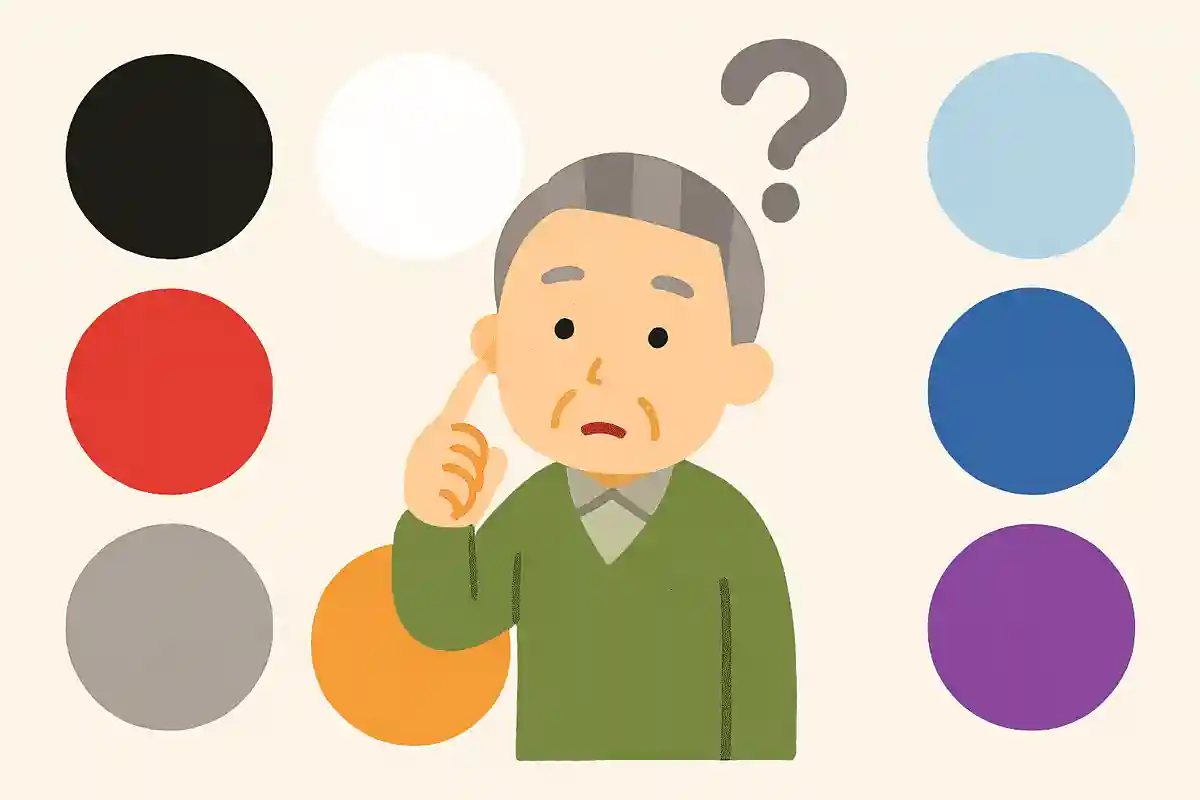
One person says, “That is black.” Another says, “That is white.” Another says, “That is red.” Another says, “That is light blue.” Another says, “That is gray.” Another says, “That is blue.” Another says, “That is orange.” Another says, “That is purple.” So then, what on earth is ‘that’?
See the answer
The true identity of “that” is “the sky.”
In this problem, you need to think about what “that” refers to. In fact, the true identity of “that” is the sky. The color of the sky varies depending on the time of day and the weather. At night it’s black; when it’s cloudy, white; during sunset or sunrise, red or orange; at dusk, purple; on cloudy or rainy days, gray; and on clear days, blue or light blue. In other words, what everyone was talking about was the color of the sky they looked up at.
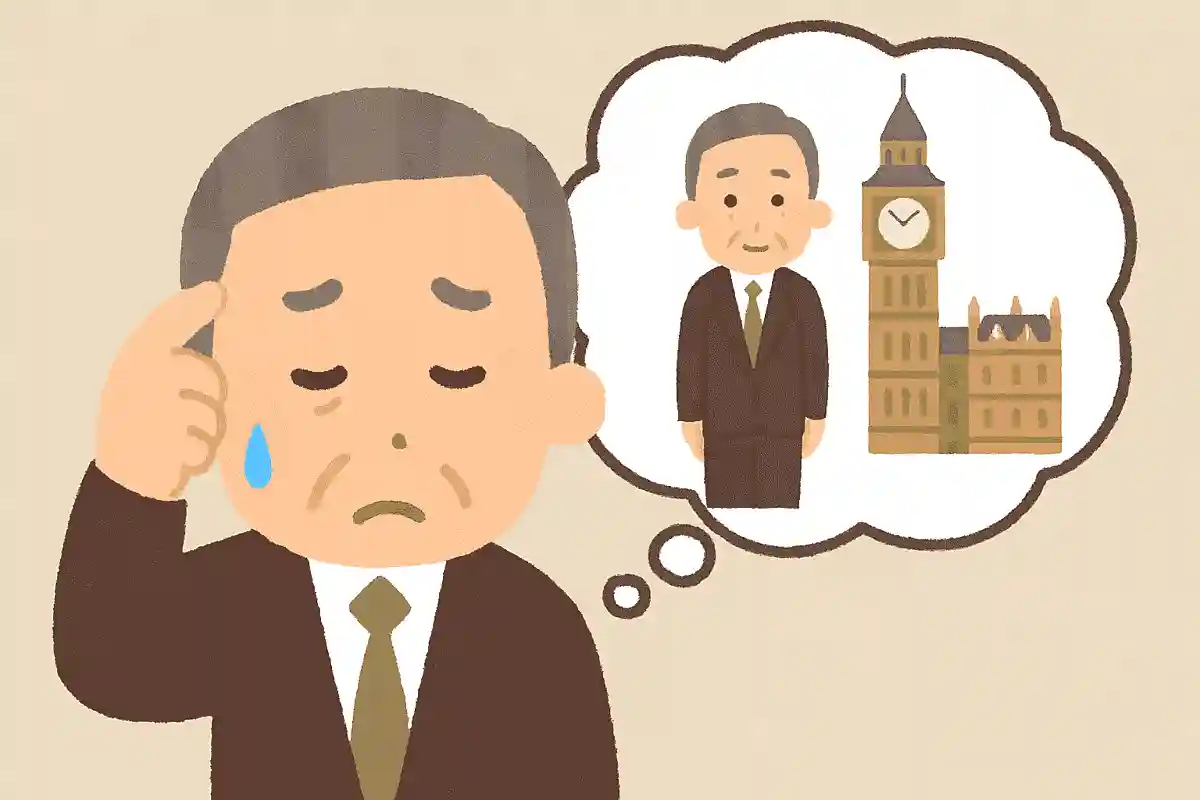
A man studied abroad for three years, but his English didn’t improve. Why do you think that is?
See the answer
Because the man is a native speaker of English.
In fact, this man was already a native English speaker, so even when he studied abroad, he was already fluent. In other words, native speakers already command English as their mother tongue, so studying abroad won’t make them improve any further.
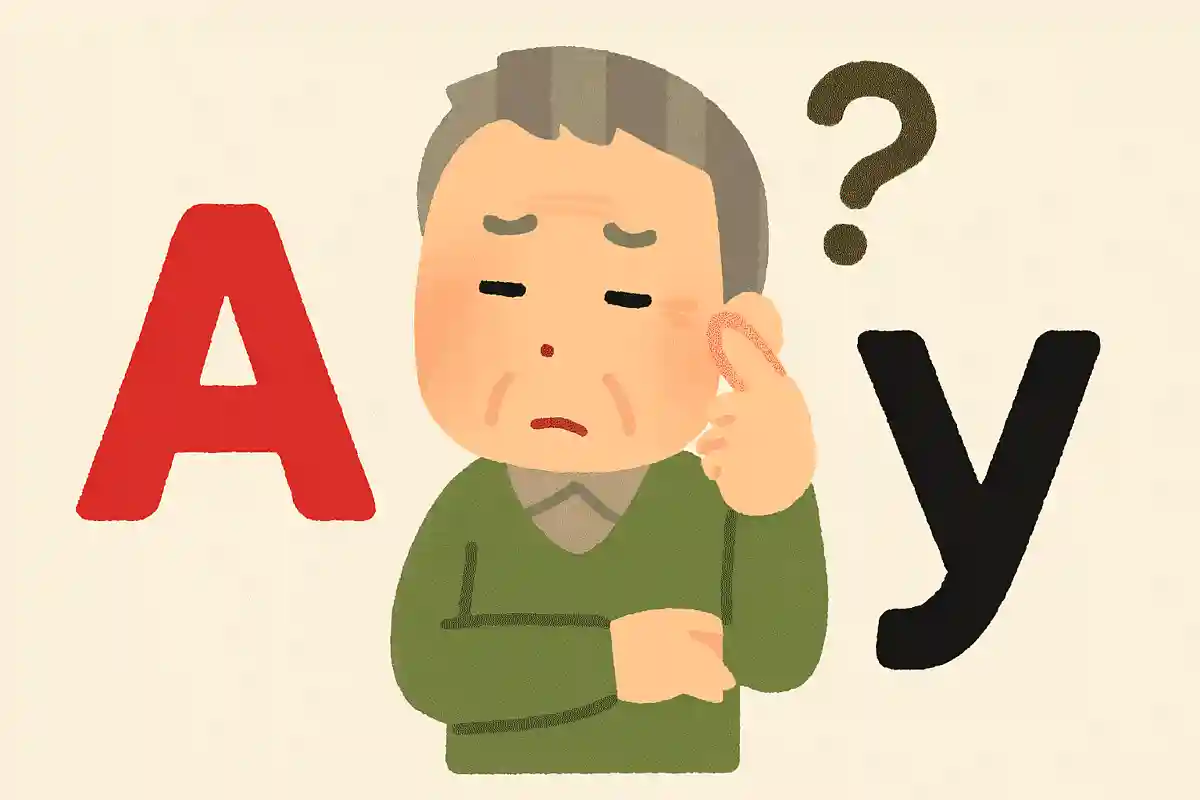
The first letter of the alphabet is A, but the last letter isn’t Z. Why is that?
See the answer
Because when you write the alphabet in English, the last letter is “T.”
Actually, the “alphabet” mentioned in the problem is written as “alphabet” in English. The last letter of the English word “alphabet” is “t,” so the statement “the last letter of the alphabet isn’t Z” is referring to the English spelling.
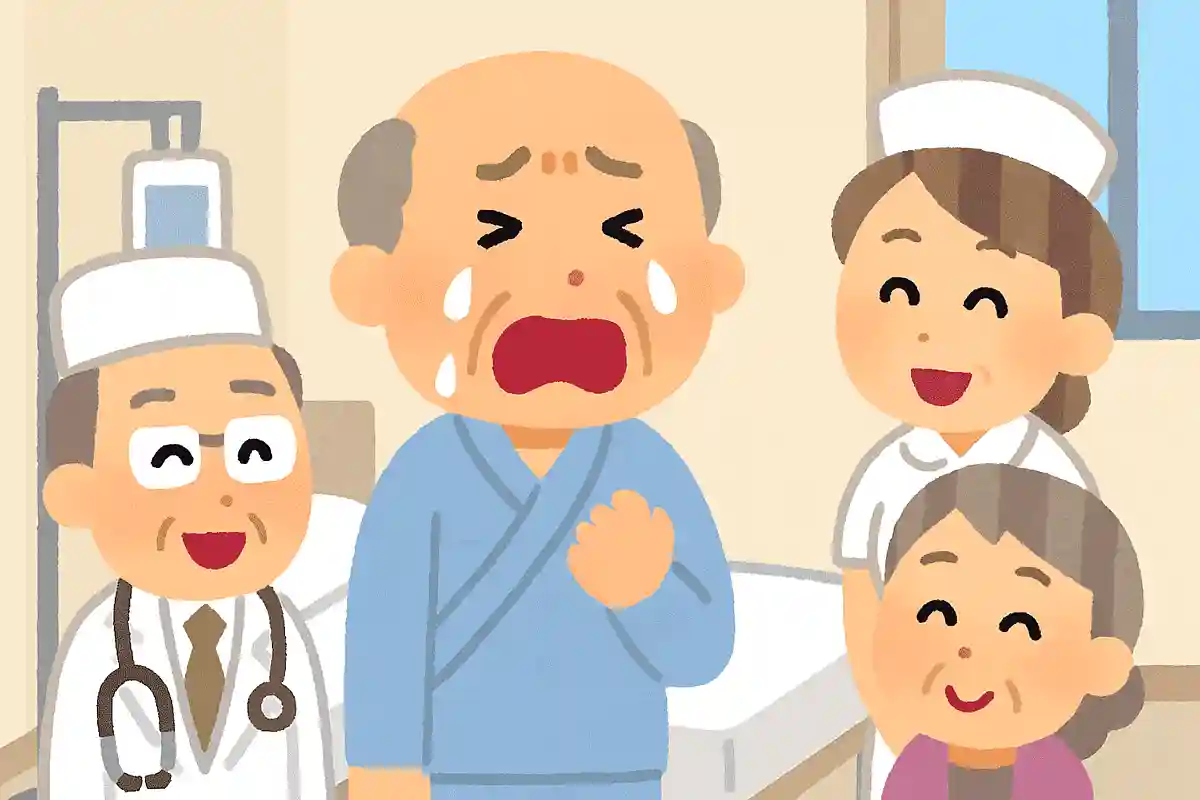
There was a man crying loudly at the hospital, but everyone was doting on him—why was that?
See the answer
Because the man was a baby
In this problem, we need to consider why everyone doted on the “man” even though he was crying. In fact, this “man” wasn’t an adult at all, but a baby. Babies often cry loudly, yet they are objects of affection. The one crying in the hospital was a baby, and because everyone was soothed by its cuteness, they doted on it even while it was crying.
Nishio didn’t turn in what he found to the police and took what was inside home, yet he wasn’t reprimanded. Why is that?

See the answer
Nishio, who had hailed a taxi, took home a flyer that was inside the cab.
In this case, Nishio-kun just hailed a taxi, rode in it, and took home a flyer that was inside. So there was no need to report it to the police, and he wasn’t reprimanded for it.
[For Seniors] Lateral Thinking Games! Brain Training (21–30)
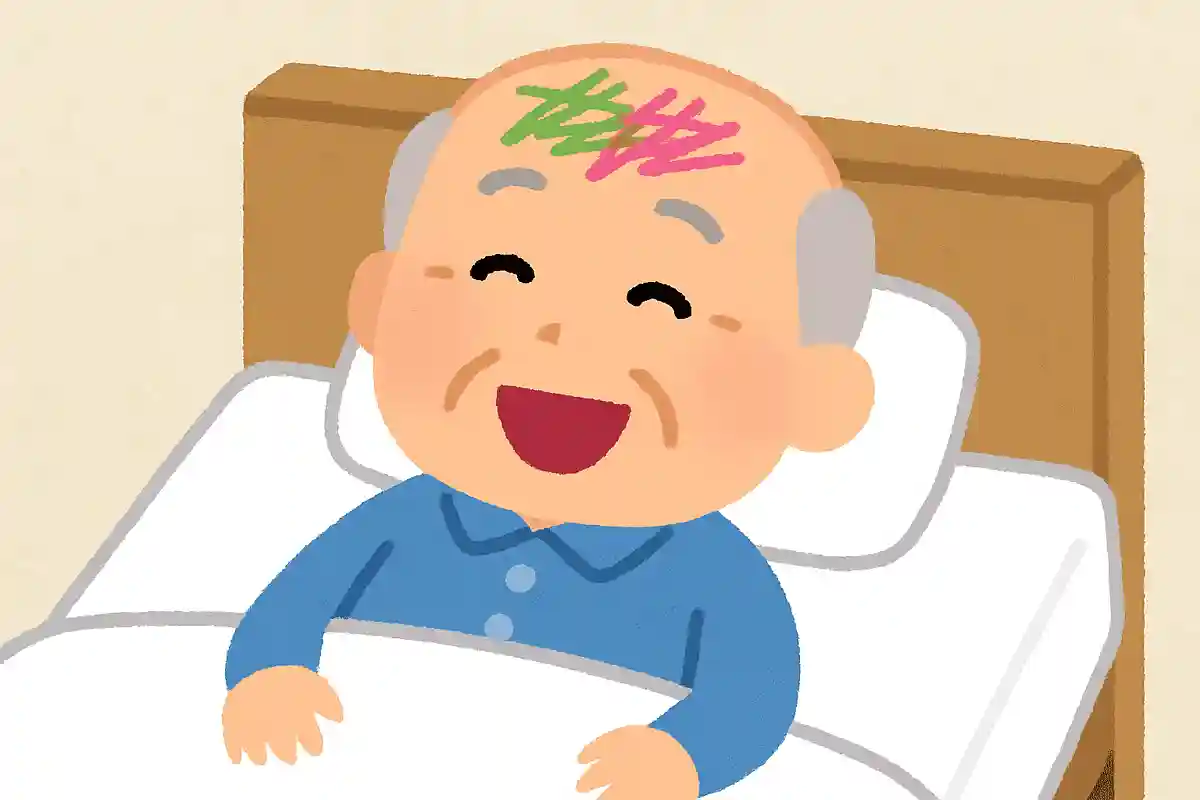
Taro got doodled on while he was sleeping, but he was happy. Why is that?
See the answer
Because there was a message written on the cast that was broken.
In this problem, we need to consider the reason why he was happy even though something was scribbled on him. In fact, Taro had a broken bone, and the scribbling was on his cast. Since the messages written on casts are often notes and words of encouragement from friends and people around him, Taro was happy about those messages.
In conclusion
Lateral thinking games are a wonderful way to cultivate creativity and flexible thinking. For older adults, they can activate the brain while having fun and help improve memory and problem-solving skills. Even with difficult problems, thinking them through with hints lets you engage your mind and enjoyably train it. Be sure to try them with your family and friends to add a bit of fun and stimulation to your daily life.