

[For Seniors] Recommended for Kakizome! Introducing Popular Four-Character Idioms and Their Meanings

For New Year celebrations, there has long been a tradition of writing auspicious four-character idioms (yojijukugo) as the first calligraphy of the year.
Doing kakizome together with older adults not only offers the simple joy of moving one’s hands, but also creates special moments to discuss the meanings and origins imbued in the characters.
We have gathered heartwarming idioms such as “笑門来福” (When laughter is at the gate, good fortune comes) and those associated with older adults, like “鶴寿千歳” (a crane’s thousand-year longevity) and “黄花晩節” (the late-blooming chrysanthemum; dignified virtue in one’s later years).
Savor the feel of the brush, the scent of the ink, and the quiet flow of time as you guide the strokes, writing each character carefully and with sincerity.
- Four-Character Idioms for Seniors as New Year’s Resolutions: A Collection of Uplifting, Heartfelt Words
- For Seniors: A Collection of Four-Character Idioms with Cool Meanings and Stylish Look—Great as Personal Mottos Too
- [For Seniors] Four-character idioms that wish for happiness: auspicious, lovely words to gift to someone special
- [For Seniors] Interesting Four-Character Idioms: Introducing four-character idioms whose appearance, words, or meanings are uniquely entertaining
- [For Seniors] Uplifting four-character idioms: Introducing beautiful, heart-touching words
- [For Seniors] Beautiful four-character idioms: Introducing words whose appearance and meanings are elegant, expressed with rich nuance
- Four-Character Idiom Slogans That Resonate with Seniors: A Collection of Beloved Quotes for Facilities and Communities
- [For Seniors] Beautifully Resonant and Memorable! Popular and Stylish Four-Character Idioms
- Four-character idioms for seniors that express goals, effort, and aspirations: words that stir the heart
- Four-character idioms expressing the spirit of perseverance for seniors: encouraging words that give you a gentle push forward
- [For Seniors] Four-character idioms that include numbers. How many do you know?
- For seniors: A four-character idiom quiz perfect for brain training. A collection of problems that will refresh both mind and spirit.
- [For Seniors] Chic phrases you can use on New Year’s cards: sample messages that are sure to please
[For Seniors] Recommended for Kakizome! Introducing Popular Four-Character Idioms and Their Meanings (21–30)
Prolonging years and extending longevity (Ennen Tenju)
@az0202za Ennen Tenju (Prolonging life and extending longevity) #yojijukugo #learning
♬ Original Song – 0202civo – az0202za
This yojijukugo (four-character idiom) expresses a wish for even greater longevity and a life that grows ever richer and happier.
“Ennen” means extending one’s lifespan, and “Tenju” means a lifespan that continues to turn and renew; together, they symbolize healthy, fulfilling days.
Just seeing the phrase evokes joy, reassurance, and calm, bringing a positive feeling to everyday life.
Writing it on a New Year’s card or in calligraphy for an elder can offer peace and hope, reminding them of the joy of treasuring each stage of life.
It is an auspicious phrase that embodies the wish to live long and happily.

Perseverance wears down even stone.
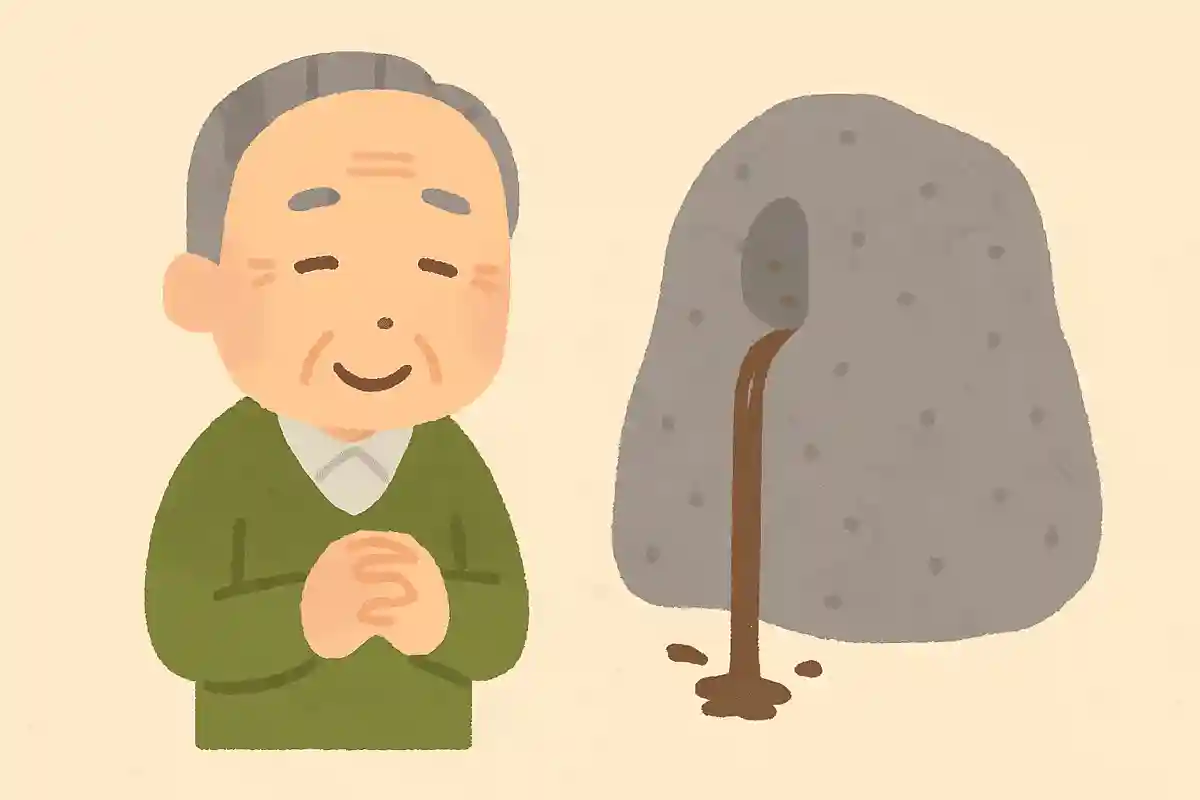
This is a four-character idiom that shows any hardship can be overcome with a strong will.
It conveys the idea that “if the heart is firm, even rock can be pierced,” symbolizing the power of effort and perseverance.
The message is that by not giving up in the face of difficulties and acting with conviction, one can achieve results.
It resonates as a phrase that reflects the tenacity and positive attitude of those seasoned by life’s experiences, and is also known as a saying that conveys courage and hope to others—beloved as a slogan that speaks to many hearts.
[For Seniors] Recommended for Kakizome! Introducing Popular Four-Character Idioms and Their Meanings (31–40)
Shiyō Sekimo
It is a four-character idiom that describes branches and leaves growing vigorously and luxuriantly.
By extension, it is used as a symbol of things developing with great momentum, representing abundance and growth.
The word evokes images of vitality, fulfillment, and positive prosperity, leaving a bright and powerful impression in everyday life.
It conjures scenes of steady progress in areas such as family, work, and hobbies, and is a word that fosters hope and energy.
Cherished as an auspicious four-character idiom, it enriches the heart while conveying the lively spirit of nature.
New Year’s abundant blessings
This four-character idiom expresses a wish for abundant happiness at the start of a new year.
It’s considered auspicious as a greeting at the beginning of the year and is often used when adding a note to a gift or letter, especially for someone important.
The term “manpuku” conveys the nuance of countless blessings and happiness, offering reassurance and joy even to elderly people.
Used in New Year’s greetings, on New Year’s cards, or rendered in calligraphy and displayed, it can brighten everyday life.
Because it directly conveys the hope for calm and healthy days, it’s perfect not only for close family and friends but also for occasions when you want to express gratitude to those who have helped you.
Perpetual longevity and auspicious blessings
“Eiju” means living a long, healthy life, and “Kafuku” signifies beautiful, joyful good fortune.
Combined, they form an auspicious phrase that prays for a rich life and peaceful days.
It is well-suited for celebrations and gifts for elders, and when used in contexts honoring longevity, it will warmly brighten the recipient’s heart.
It also carries an air of refinement when chosen for New Year’s cards or as a theme in calligraphy, offering a sense of reassurance to those who see it.
Because it conveys respect for those who have journeyed through life and the wish that their days ahead be filled with smiles, it is a recommended phrase to offer to someone dear.
Eternal peace and prosperity
This is a four-character idiom that prays for long-lasting joy and happiness enduring for ten thousand years.
“Chōraku” means to enjoy life richly over a long time, and “mannen” signifies an immeasurably long span; together, they express a wish for happiness and peace that approaches eternity.
It is perfect for conveying appreciation for a life lived so far and the hope that one will continue to spend the days cheerfully.
Added to milestones like birthdays or longevity celebrations, it has the power to inspire a bright future in the recipient’s heart.
It is a phrase to send, as a gift filled with gratitude and respect, to someone dear.
A dull horse traveling ten days (i.e., a slow but steady effort can compensate for lack of talent)
@hiroaki946 Doba Juga Shorts Short videos Mini videos Idioms Four-character idioms Proverbs Japanese Language meaning Wordplay Learning Education Trivia Japanese culture Time-killers Study Knowledge Trivia Everyday life Power of words VOICEVOX: Shikoku Metan Hard work pays off four-character idiom “Doba Juga.” Do you know what it means? First, an example sentence: Mr. Tanaka wasn’t particularly talented, but he never neglected to study steadily every day. He kept studying even while other students were playing. As a result, he achieved excellent scores on the university entrance exams and was admitted to his first-choice university. Those around him praised his success as “doba juga,” noting that even without innate talent, a path opens if one continues to work hard. Meaning: “Doba Juga” (dobajūga) means that even someone with little talent can, through sustained time and effort, catch up to and even surpass someone more gifted. The phrase comes from an old anecdote that the distance an ordinary horse (doba) runs in ten days is equivalent to what an excellent horse can run in a single day. It teaches that persistent effort can bridge differences in natural ability. That’s all.
Original song – hiroaki946 – hiroaki946
This four-character idiom comes from an old story: even a slow-footed horse can catch up to a fast one if it keeps moving for ten days.
It encourages us that, even without confidence in our talent or physical strength, steady, persistent effort will surely lead to results.
As we age, we may feel that we can’t learn as quickly as before or that our bodies don’t move as we want.
Yet this saying warmly supports us in those moments.
It teaches that if we don’t rush and keep moving forward—however slowly—we will surely get closer to our goals.