

[For Seniors] Recommended for Kakizome! Introducing Popular Four-Character Idioms and Their Meanings

For New Year celebrations, there has long been a tradition of writing auspicious four-character idioms (yojijukugo) as the first calligraphy of the year.
Doing kakizome together with older adults not only offers the simple joy of moving one’s hands, but also creates special moments to discuss the meanings and origins imbued in the characters.
We have gathered heartwarming idioms such as “笑門来福” (When laughter is at the gate, good fortune comes) and those associated with older adults, like “鶴寿千歳” (a crane’s thousand-year longevity) and “黄花晩節” (the late-blooming chrysanthemum; dignified virtue in one’s later years).
Savor the feel of the brush, the scent of the ink, and the quiet flow of time as you guide the strokes, writing each character carefully and with sincerity.
- Four-Character Idioms for Seniors as New Year’s Resolutions: A Collection of Uplifting, Heartfelt Words
- For Seniors: A Collection of Four-Character Idioms with Cool Meanings and Stylish Look—Great as Personal Mottos Too
- [For Seniors] Four-character idioms that wish for happiness: auspicious, lovely words to gift to someone special
- [For Seniors] Interesting Four-Character Idioms: Introducing four-character idioms whose appearance, words, or meanings are uniquely entertaining
- [For Seniors] Uplifting four-character idioms: Introducing beautiful, heart-touching words
- [For Seniors] Beautiful four-character idioms: Introducing words whose appearance and meanings are elegant, expressed with rich nuance
- Four-Character Idiom Slogans That Resonate with Seniors: A Collection of Beloved Quotes for Facilities and Communities
- [For Seniors] Beautifully Resonant and Memorable! Popular and Stylish Four-Character Idioms
- Four-character idioms for seniors that express goals, effort, and aspirations: words that stir the heart
- Four-character idioms expressing the spirit of perseverance for seniors: encouraging words that give you a gentle push forward
- [For Seniors] Four-character idioms that include numbers. How many do you know?
- For seniors: A four-character idiom quiz perfect for brain training. A collection of problems that will refresh both mind and spirit.
- [For Seniors] Chic phrases you can use on New Year’s cards: sample messages that are sure to please
[For Seniors] Recommended for Kakizome! Introducing Popular Four-Character Idioms and Their Meanings (31–40)
Return of the sun; the turning of the tide toward good fortune (Ichiyō Raifuku)
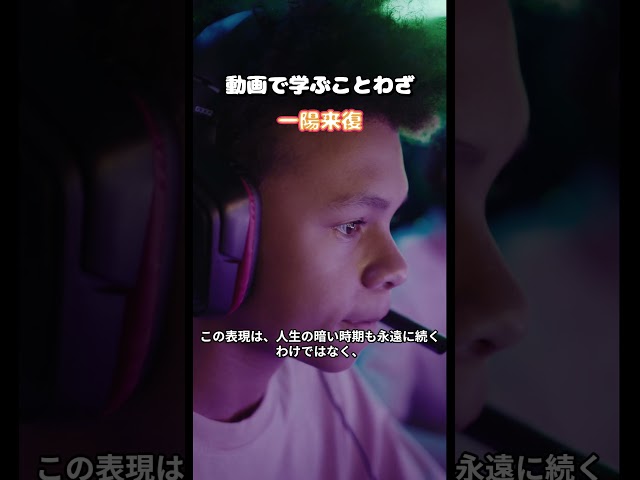
Like the way winter reaches its peak and spring comes around again, this four-character idiom means that good fortune will surely return once a bad period has passed.
Evoking a single ray of light piercing the harsh cold, it has long been cherished as a word symbolizing hope and renewal.
Given to an elderly person, it becomes a message of encouragement that the road ahead is full of bright signs.
Used at the turn of the year, it can deepen bonds with family and friends and help you share a positive spirit with one another.
Imbued with the hope that happiness will surely follow hardship, it is an auspicious phrase you’ll want to choose as a gift for someone dear.

Longevity and protection from calamities
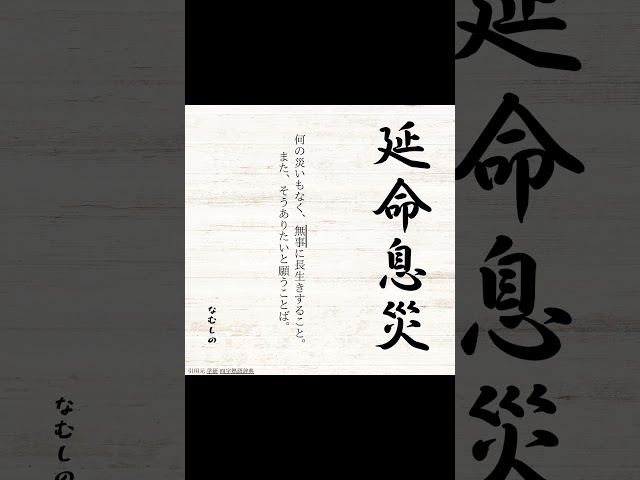
This is a four-character idiom that expresses the wish to live long and healthily, with peaceful days free from illness and misfortune.
“Enmei” means prolonging one’s lifespan, and “Sokusai” means being free from disasters and disease, remaining safe.
Combined, they symbolize healthy, tranquil days.
Together they convey a prayer for a calm mind and body and a fulfilling daily life.
It succinctly represents a value placed on longevity, tranquility, and health, and it also reminds readers of the importance of a peaceful and stable life.
The Foolish Old Man Who Removed the Mountains

This four-character idiom comes from the story of an old man (the Foolish Old Man) who kept trying, little by little, to move a great mountain, and it expresses the inner strength to keep challenging any difficulty without giving up.
As we grow older, we more often think, “Maybe I can’t do it anymore,” but this phrase turns such feelings into courage.
It teaches that even a huge goal will open a path if you tackle it step by step, and it applies to daily life as well.
A tenacious, persevering attitude like the Foolish Old Man’s conveys the value of striving without giving up regardless of age, and it will surely support and encourage you to keep taking on challenges.
gentle and sincere; mild-mannered and honest (Onkō Tokujitsu)

This is a four-character idiom that expresses a calm, gentle, sincere, and trustworthy personality.
In facilities and communities where many older adults gather, the sense of security and trust gained through human relationships is of utmost importance.
This term succinctly captures an attitude that reassures those around you with composure and acts with sincerity.
It helps smooth relationships with others and creates opportunities to spend comfortable time together, teaching us values we should cherish in everyday life and communication.
Symbolizing a warm and gentle character, this word can also be used as a resonant slogan or guiding principle—an idiom we highly recommend.
leading by example

There are people who, day in and day out, behave in ways that are admirable and worth emulating.
For such individuals, this expression—used to describe setting a model example and serving as a role model for everyone—is a perfect fit.
Once you understand its meaning, it makes you sit up straight and think, “I should pull myself together.” Older adults who see this four-character idiom might also feel more positive after learning what it means.
And those who know a leader type close to them may be pleased to learn a four-character idiom they can use for that person, happy to have gained some new knowledge.

[For Seniors] Recommended for Kakizome! Introducing Popular Four-Character Idioms and Their Meanings (41–50)
Blessed with good fortune and virtue, in perfect harmony

“Fuku” signifies happiness and blessings, while “toku” refers to character and virtuous deeds; when these are in harmony, it is said they lead to a truly fulfilling life.
When given especially to elders, it both honors the paths they have walked and conveys a wish for days ahead that are rich in spirit and peace.
Added to New Year’s greetings or gifts, it will warmly resonate with the recipient.
Moreover, the gentle ring of the word “enman” (harmony/wholeness) evokes a sense of serenity in the home and in relationships, bringing reassurance to the family who look on.
It is an auspicious expression that conveys the desire to bestow lasting happiness on someone dear.
Clear mind across a vast distance
@yoji_jukuko Four-character idiomTranslationtranslationA clear sky stretching for ten thousand milesThis is a revised thumbnail for a past video.
♬ Escort – MoppySound
It is a phrase that expresses never losing sight of the aspiration or goal you should ultimately pursue, no matter how distant or arduous the path may be.
It carries the meaning: “Even if one walks a road of ten thousand li, the heart leads to a single sky.” Life brings many hardships, but if you hold an unwavering goal in your heart, you can move forward without hesitation.
For older adults as well, maintaining one’s aspirations in the face of age-related limitations and changing circumstances becomes a great source of strength.
This four-character idiom serves as a steadfast guide, giving the courage to look toward the distant future and keep progressing.
