

[For Seniors] Popular Kayōkyoku: A Collection of Classic Songs Perfect for Karaoke and Background Music Selection


In elderly care facilities such as day service centers, isn’t karaoke and music-based recreation quite common? At times like these, younger staff members—especially those much younger than the residents—might find themselves wondering, “Which songs are popular…?” In this article, we’ll introduce a wide selection of songs that are popular among seniors, focusing mainly on kayōkyoku (Japanese popular songs).
These are all well-known tracks that most seniors will have heard at least once, so they’re sure to get everyone excited! Please use this as a helpful guide when choosing songs.
- [For Seniors] Recommended Songs for Care Activities and Events! Crowd-Pleasers That Bring Joy
- Ranking of popular songs for senior citizens
- [For Seniors] Popular Karaoke Songs That Everyone Can Enjoy Together
- [Recommended for people in their 70s] Songs that really move you. Beloved classic Japanese hits of the past.
- Recommended love songs for people in their 80s: A collection of classic love songs that colored the Showa era
- [Celebration] A compilation of Japanese songs that elderly people will enjoy
- Easy-to-sing songs recommended for women in their 70s: A collection of classic hits perfect for karaoke
- Karaoke songs you’ll want to sing for men in their 70s: Enka and nostalgic Showa-era pop
- A roundup of classic Showa-era kayō songs: a comprehensive introduction to timeless tracks loved across generations.
- [For Seniors] Let’s Have Fun Together! Introducing Uplifting, Energizing Songs
- [For Seniors] Songs Everyone Can Sing Together! A Roundup of Recommended Crowd-Pleasers
- Songs that get men in their 90s excited: A roundup of classic karaoke recommendations
- Tear-jerking songs for women in their 70s: from Showa-era classics to Heisei hits
[For Seniors] Popular Kayōkyoku Songs: A Collection of Classics Useful for Karaoke and BGM Selection (21–30)
Forever with youKayama Yūzō

A beautiful love song that gently seeps into our hearts, set to a light ballad that carries eternal love and hope for the future.
Featured as the theme song for the films “Young Guy with an Electric Guitar” and “Young Guy in the Alps,” this piece celebrates everlasting love against the backdrop of a sunset, tenderly expressing the sweetness and ache of young romance.
Released in 1965, it became a massive hit, selling over three million copies and receiving a Special Award at the 8th Japan Record Awards.
Yuzo Kayama’s gentle vocals and the beautiful string arrangements are soothing to the soul.
For seniors, it’s a song that will resonate with memories of their youth.
Whether you listen to it quietly on your own or sing it together with family and friends at karaoke, it’s a piece that brings a sense of calm.
Come, spring.Matsutōya Yumi

Singer-songwriter Yumi Matsutoya, who has been active in Japan’s music scene for many years, has a song that captures delicate, fleeting spring scenery and the feelings she brings to it: “Haru yo, Koi” (“Come, Spring”).
Released in 1994 as the theme song for an NHK morning drama series, this classic is also included on the album THE DANCING SUN.
Those who watched the drama at the time surely remember being encouraged each morning by its gentle melody.
With lyrics so beautifully written in Japanese that they appear in language textbooks, it’s perfect for everyone to sing along together.
Shall we share the hope of waiting for warm spring after a harsh winter through this song, and spend some peaceful time together?
the first strong spring windkyandīzu

We’d like to introduce a beloved classic that evokes the thaw of snow and the arrival of spring.
It’s the ninth single by Candies, released in March 1976, originally included on the previous year’s album “Toshishita no Otokonoko.” Spurred by the enthusiastic response at live shows, it was released as a single and became a hit, reaching No.
3 on the Oricon weekly chart.
The lyrics, which straightforwardly capture the exhilaration of the changing seasons and the anticipation of love, make your heart skip a beat every time you listen.
Its poppy, fast-paced sound feels like it could blow away the lingering February chill.
Play it during recreation time and you’ll likely see people start moving naturally—or even humming along.
We hope you’ll enjoy a moment of waiting for spring, while reminiscing about memories from those days.
The two are young.dikku mine

A duet released in August 1935 whose playful call-and-response is truly delightful.
Sung by Dick Mine and Reiko Hoshi, the song was included on the theme record for the Nikkatsu film “The Peeped-at Bride.” The music is by Masao Koga, and the lyrics were written by Hachiro Sato under the pen name Eiji Tamagawa.
Its charm lies in lyrics that evoke bright scenes like blue skies and gentle breezes, paired with an easy-to-remember melody.
With its conversational back-and-forth, singing it as a duo is sure to bring smiles.
It’s also great for recreation time—try pairing up and giving it a go.
Why not enjoy it with some handclaps to the lively rhythm? A heartwarming song that can spark fond memories and lively reminiscences.
cherry blossomMoriyama Naotaro
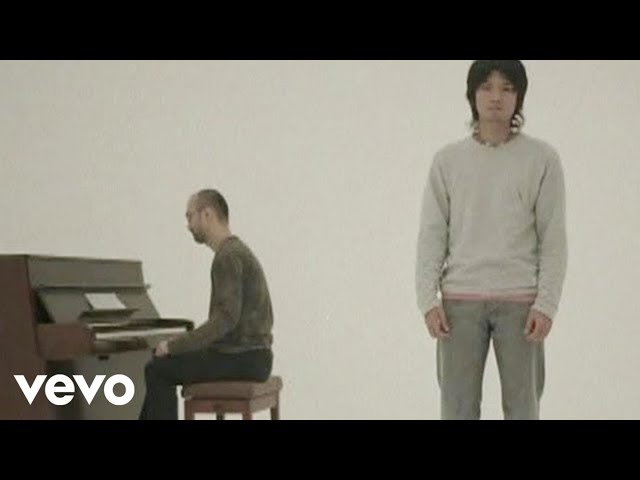
With the arrival of spring, this is one of Naotaro Moriyama’s signature songs that you can’t help but hum.
It overlays the beauty and transience of falling blossoms with life’s turning points, expressing a heartfelt wish for farewells to dear friends and hopes for reunion.
The piano melody and clear vocals resonate deeply; released as a single in March 2003, it’s also included on the acclaimed album “In Search of New Spices.” Many may remember that a rearranged version was used as the theme song for the October 2019 drama “Sh同期のサクラ” (Sakura, My Boss).
This melody, beloved across generations, is perfect for grandparents and grandchildren to sing together.
Why not spend a heartwarming moment picturing scenes of cherry blossoms?
TouchIwasaki Yoshimi

An anime theme song that captures the bittersweetness of youth was released in March 1985.
It’s a wonderful track featuring Yoshimi Iwasaki’s clear, transparent vocals and a melody that resonates deeply.
The lyrics convey the feelings of a girl in love with her childhood friend, leaving a lasting impression with its sweet, heartrending portrayal of adolescence.
The song drew major attention as the opening theme for the anime Touch and reached No.
12 on the Oricon Weekly Chart.
It has also become widely used as a cheer song for high school baseball, a staple performed in the stands.
With a melody everyone can hum along to, it’s a perfect choice for karaoke with friends.
12th graderFunaki Kazuo

Kazuo Funaki is known as an actor and singer.
His debut and signature song is “Koko San-nen-sei” (“High School Senior”).
It’s a folk song that portrays the end of youth from the perspective of a third-year high school student.
The lyrics are said to be based on the real-life experiences of Minoru Endo, who composed the song.
Because the words are quite poignant, why not take the time to listen closely again? By the way, it was also selected as one of Japan’s 100 Noted Songs, making it a perfect choice for anyone looking for a universally acclaimed classic.
