

[For Seniors] Popular Kayōkyoku: A Collection of Classic Songs Perfect for Karaoke and Background Music Selection


In elderly care facilities such as day service centers, isn’t karaoke and music-based recreation quite common? At times like these, younger staff members—especially those much younger than the residents—might find themselves wondering, “Which songs are popular…?” In this article, we’ll introduce a wide selection of songs that are popular among seniors, focusing mainly on kayōkyoku (Japanese popular songs).
These are all well-known tracks that most seniors will have heard at least once, so they’re sure to get everyone excited! Please use this as a helpful guide when choosing songs.
- [For Seniors] Recommended Songs for Care Activities and Events! Crowd-Pleasers That Bring Joy
- Ranking of popular songs for senior citizens
- [For Seniors] Popular Karaoke Songs That Everyone Can Enjoy Together
- [Recommended for people in their 70s] Songs that really move you. Beloved classic Japanese hits of the past.
- Recommended love songs for people in their 80s: A collection of classic love songs that colored the Showa era
- [Celebration] A compilation of Japanese songs that elderly people will enjoy
- Easy-to-sing songs recommended for women in their 70s: A collection of classic hits perfect for karaoke
- Karaoke songs you’ll want to sing for men in their 70s: Enka and nostalgic Showa-era pop
- A roundup of classic Showa-era kayō songs: a comprehensive introduction to timeless tracks loved across generations.
- [For Seniors] Let’s Have Fun Together! Introducing Uplifting, Energizing Songs
- [For Seniors] Songs Everyone Can Sing Together! A Roundup of Recommended Crowd-Pleasers
- Songs that get men in their 90s excited: A roundup of classic karaoke recommendations
- Tear-jerking songs for women in their 70s: from Showa-era classics to Heisei hits
[For Seniors] Popular Kayōkyoku Songs: A Collection of Classics Useful for Karaoke and BGM Selection (41–50)
lover; mistress; extramarital partnerTeresa Ten

Teresa Teng has many songs with adult themes, and among them the classic “Lover” is especially known for its mature, bittersweet character.
As one of her signature works, it’s still frequently sung at karaoke today.
While the song features a richly expressive vocal line, its range is surprisingly narrow, staying mostly in the mid or mid-high register.
The development of the melody is also typical of kayōkyoku (Japanese popular songs), making it a very singable piece, especially for those of a certain age.

[For Seniors] Popular Kayōkyoku: A Collection of Classic Songs Useful for Karaoke and BGM Selection (51–60)
To Marie on Fifth AvenuePedoro & Kapurishasu

Among the many classic hits by Pedro & Capricious that were huge in the 1970s, “To Mary on Fifth Avenue” is especially beloved.
Set to a poignant melody, its lyrics sing of an unchanging love for Mary, a former sweetheart, and deeply resonate with listeners.
Despite its simple arrangement, Mariko Takahashi’s warm vocals infuse the song with emotion—truly memorable.
Upon its release in October 1973, it sold about 500,000 copies and ranked high on the Oricon charts.
The group also performed on NHK’s Kōhaku Uta Gassen, cementing the song as one of the era’s defining classics.
With its relaxed tempo, it’s easy to sing and recommended even for those in their 70s.
Take a trip down memory lane and give it a try.
Longing for RainYashiro Aki

Released in 1980, “Ame no Bojo” is widely known as one of Aki Yashiro’s signature songs.
Its lyrics express feelings of longing and loneliness for a lover, and combined with its relatively bright melody, it brought a new dimension to songs about rain.
The memorable chorus is recognized by many, and performing it at karaoke is sure to draw resounding applause.
It would also be a big hit at recreational events in senior care facilities.
Give it a try and sing it!

Traveler,Kayama Yūzō

It’s a heartwarming classic woven with words that gently accompany each person’s life, a song that sinks deep into the heart.
While evoking memories of one’s hometown, it stands out as an anthem cheering on travelers who keep walking forward, its lyrics brimming with tenderness and strength.
Yuzo Kayama’s clear, translucent voice blends beautifully with the harmonies of The Launchers, creating superb balance.
The piece was released to the world as the B-side to the single “Gazing at the Night Sky” in October 1966, and was also used as an insert song in the film “Let’s Go! Wakadaisho.” In May 2010, a duet version with Ryoko Moriyama was included on the album “50 Years of Wakadaisho!” It’s highly recommended for those standing at a crossroads in life or wishing to reflect on cherished memories.
Sometimes, old storiesKatō Tokiko

This is a song by Tokiko Kato that gently looks back on nostalgic scenery from long ago.
It’s memorable for being used as the ending theme of the film Porco Rosso, and it strongly conveys a mature allure and a wistful atmosphere.
The light, resonant piano and Kato’s vocals—combining tenderness with strength—seem to express the richness and fullness of life.
Even if you haven’t had the exact experiences described in the lyrics, the song evokes similar scenes and brings back each listener’s own sense of nostalgia.

Let’s get married.yoshida takurou
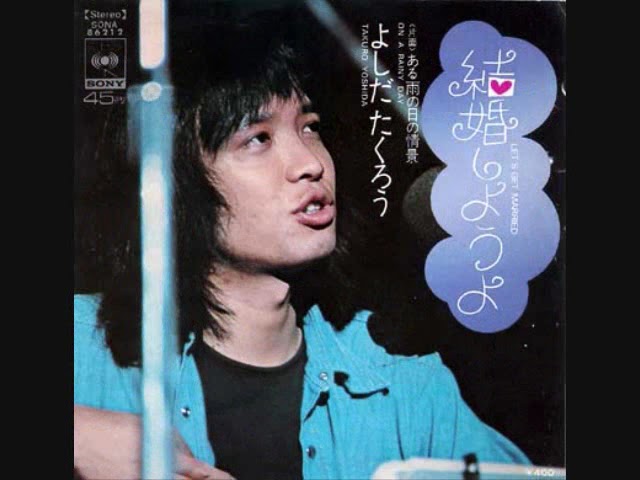
This work is memorable for its translucent, beautiful melody and sweet, poignant vocals.
Released in 1972, the song marked a major turning point in the history of folk music.
Centered on acoustic guitar, its warm sound creates an atmosphere that gently envelops feelings of love.
While poetically depicting springtime scenes, Takuro Yoshida expresses sincerity and pure affection.
Simple yet profound in its message, this classic reached a peak of No.
3 on the Oricon weekly chart.
Its heartwarming, gentle tone and tender vocal timbre enrich everyday moments.
It’s a song to savor slowly on a blossoming spring day, reminiscing with those of the same generation as memories come into full bloom.
spring hazeIwasaki Hiromi

With a beautiful singing voice reminiscent of Showa-era idols, she performed a classic that resonates in the hearts of older listeners.
Against a backdrop of cherry blossoms in half bloom, the song delicately portrays the bittersweet love of a young couple.
It carefully expresses the feelings of a woman determined to pursue love despite her father’s opposition.
Hiromi Iwasaki’s clear, transparent vocals vividly capture a fleeting spring moment with cherry blossoms in bloom.
Released in February 1979, this work was beloved by many, even making its first appearance in the Top Ten on TBS’s “The Best Ten.” Even today, it remains a much-loved song brimming with the atmosphere of spring’s arrival.
It’s especially recommended to listen to during cherry blossom season together with older adults—letting them reminisce about the past while feeling the coming of spring.