

[For Seniors] Trivia Quiz & Fun Facts for Everyday Life

Quizzes that are not only useful in everyday life but also enriching for general knowledge.
They’re easy to play, making them perfect for killing time.
This time, we’re introducing light, fun trivia quizzes for seniors.
If you know the answers to these quizzes, you can share them as knowledge with those around you.
Of course, they also help develop thinking and concentration skills, making them great brain training.
Get excited with quizzes,
show off fun facts, and naturally pick up knowledge as you play—this value-packed quiz collection has it all!
Give it a try!
- How much do you know? Trivia quiz for seniors that’s full of surprisingly unknown facts
- [For Seniors] Fun and Informative Trivia Quiz Collection
- [For Seniors] Fun and Informative! Health Trivia Quiz
- [For Seniors] Recommended Trivia Quizzes & Fun Facts for November
- [For Seniors] Lively two-choice trivia quiz. Handy to know and tidbits you'll want to share with others
- [For Seniors] Fun and Informative! Trivia and Quizzes Introduced
- [For Seniors] Sports Trivia Quiz & Fun Facts. Easy and Entertaining
- [For Seniors] Surprisingly Unknown! General Knowledge Quiz
- [For Seniors] Fun! Let’s Get Excited with Japan’s Number One Quiz
- [For Seniors] Trivia Multiple-Choice Quiz
- [For Seniors] Perfect Brain Training! Fun Trivia
- [For Seniors] Introducing Trivia Quizzes and Fun Facts About December
- [For Seniors] Let’s have fun with October trivia and fun facts quizzes!
[For Seniors] Trivia Quizzes & Fun Facts Useful for Daily Life (21–30)
What disease has an increased risk due to a weakening of the ability to swallow food?
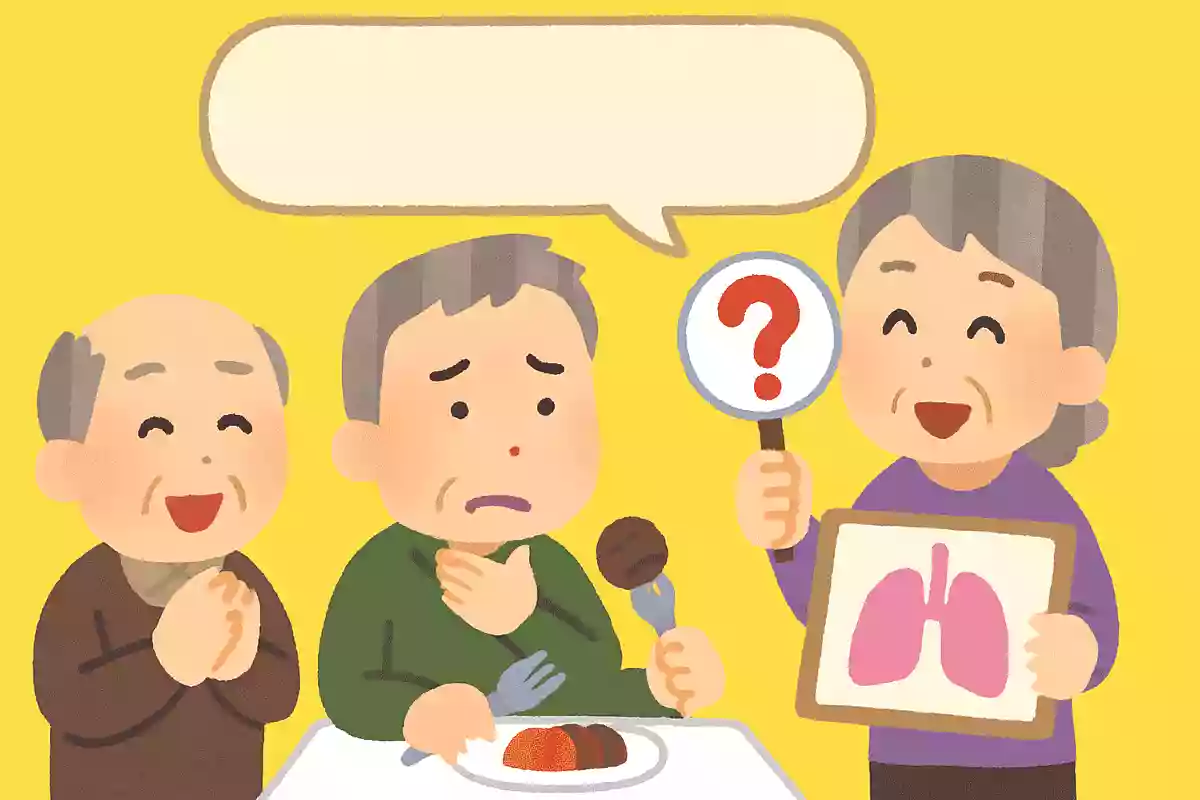
A decline in muscle strength is something you may notice in everyday moments, and some people might feel that swallowing food has become harder than before.
Did you know that there’s a disease whose risk increases as your swallowing ability weakens? The answer is aspiration pneumonia—a dangerous condition in which food or saliva enters the airway and causes inflammation.
It can easily become severe and even be life-threatening, so keep this in mind and pay attention to your swallowing ability and the muscles of your face.

Kanji quiz with characters many people misread

Easily misread words! Here are some ideas for a kanji quiz featuring characters that many people read incorrectly.
Even words you use every day might actually be ones you’ve been misreading.
In recent years, there have even been cases where incorrect usage spread and became socially accepted.
This time, let’s try a kanji quiz that many people get wrong.
For example, a word like “呑気” is shown, and you’re asked, “How do you read this kanji?” There are 15 such questions.
Each has a 10-second time limit, so if you want to think more carefully, try pausing the video as you go.
[For Seniors] Trivia Quizzes & Fun Facts Useful in Daily Life (31–40)
When is the day for summer greeting cards?
These days, sending greetings by postcard may have become less common.
Still, when some people see a postcard that says “Shochu-omimai moshiagemasu” (summer greetings), do they think, “Ah, summer has arrived”? Also, June 15 is designated as Shochu-omimai Day.
The period for sending shochu-omimai is generally from around July 7, the solar term Shōsho (Lesser Heat), until the day before around August 7, the start of Risshū (Beginning of Autumn).
So where does June 15 come from? It turns out that on June 15, 1950, the Ministry of Posts first began selling special postcards for summer greetings.

When cicadas are chirping in the background during a phone call, how does it sound to the person on the other end?
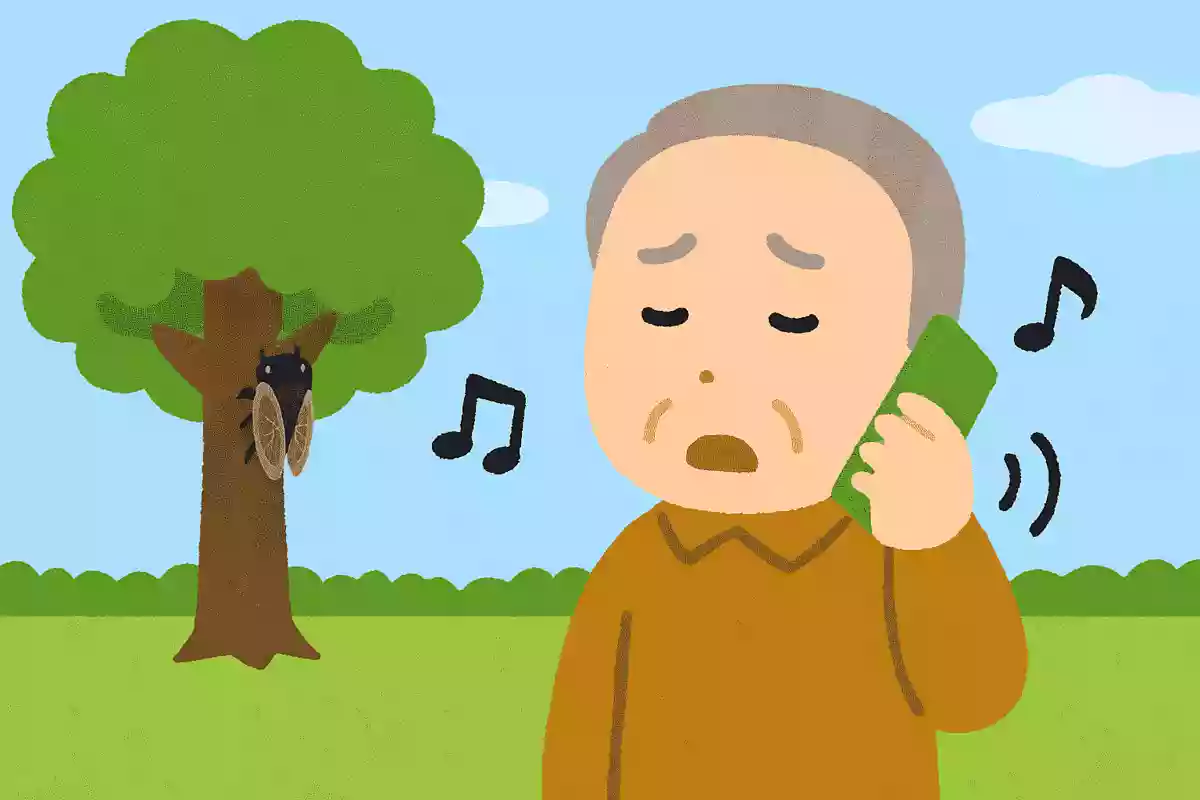
How would the sound of cicadas in the background come across to the person on the other end of a phone call? The hint is “how phones work.” Traditional telephones are designed to transmit only the frequency range of the human voice, so higher-pitched sounds like cicadas are cut out.
In other words, the answer is: “You can’t hear them.” The unexpected answer is sure to prompt a “Wow!” and liven up the conversation.
That said, with modern smartphones, the microphone’s performance and the calling app can sometimes let cicada sounds come through.
If this summery sound becomes a topic, it might make people recall their childhood days spent running around or scenes from the countryside.
It’s a warm little quiz that can whisk your heart back to summer with just the chirp of a cicada.

Natto is said to have a blood-thinning effect. What time of day is best to eat it to achieve a greater effect?
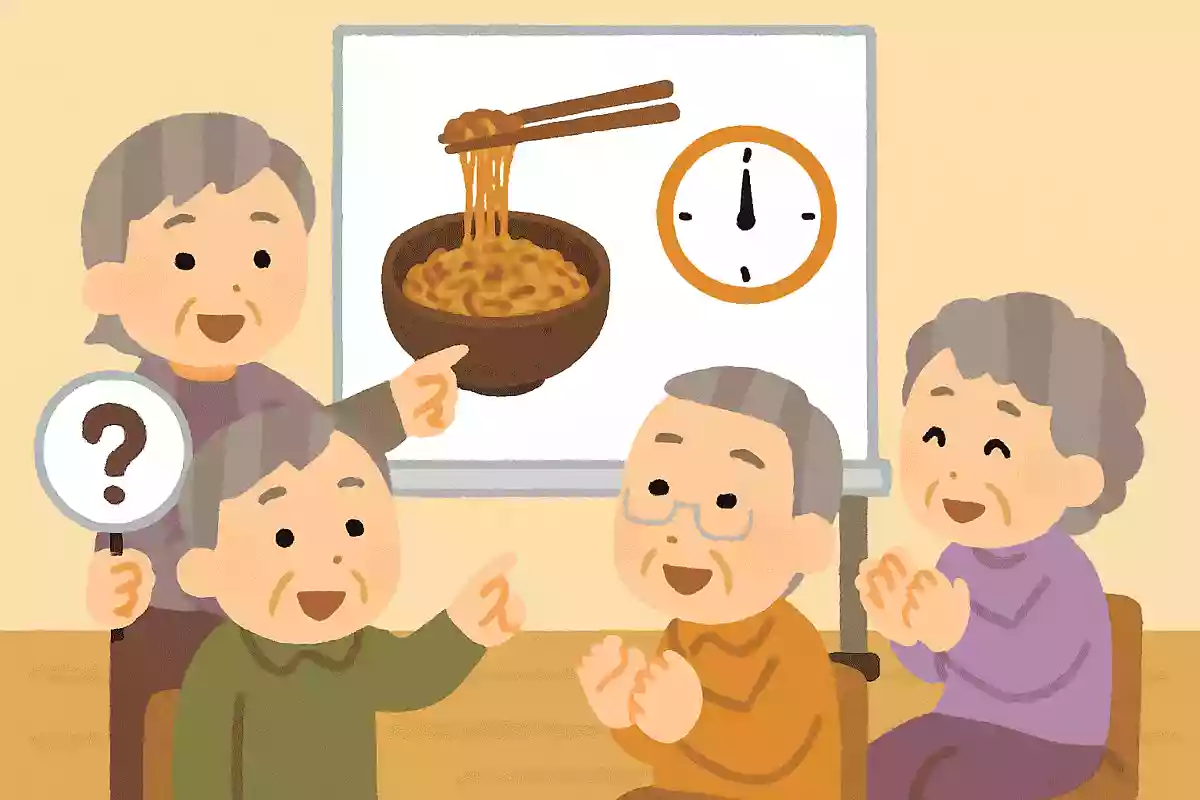
Natto is one of the foods that embody Japanese tradition and is strongly associated with being healthy.
In fact, natto is good for your health and contains components that help thin the blood.
Did you know there’s a recommended time of day to eat it to draw out its health benefits even more? Considering the times when blood vessels are said to be more prone to clogging, you can figure out the timing that may help prevent that.
The answer is “at night.” Blood vessels are considered more likely to clog while you sleep, so the idea is that consuming the beneficial components about four hours before bedtime is best to help prevent it.
Compound-word quiz: idioms that repeat the same kanji twice

If you can read them, awesome! Here’s an idea for a quiz featuring compound words that repeat the same kanji twice.
The origins of kanji and the ways they combine each carry meaning and are fascinating, right? This time, there might even be questions that make you think, “There’s a combination like that?!” For example, you might see the word 「細々」 and be asked, “How do you read this kanji?” There are 25 such questions.
The difficulty increases in the latter half, so it could be a good idea to discuss and work together to figure out the answers.
What ingredients help prevent food poisoning when included in a bento?
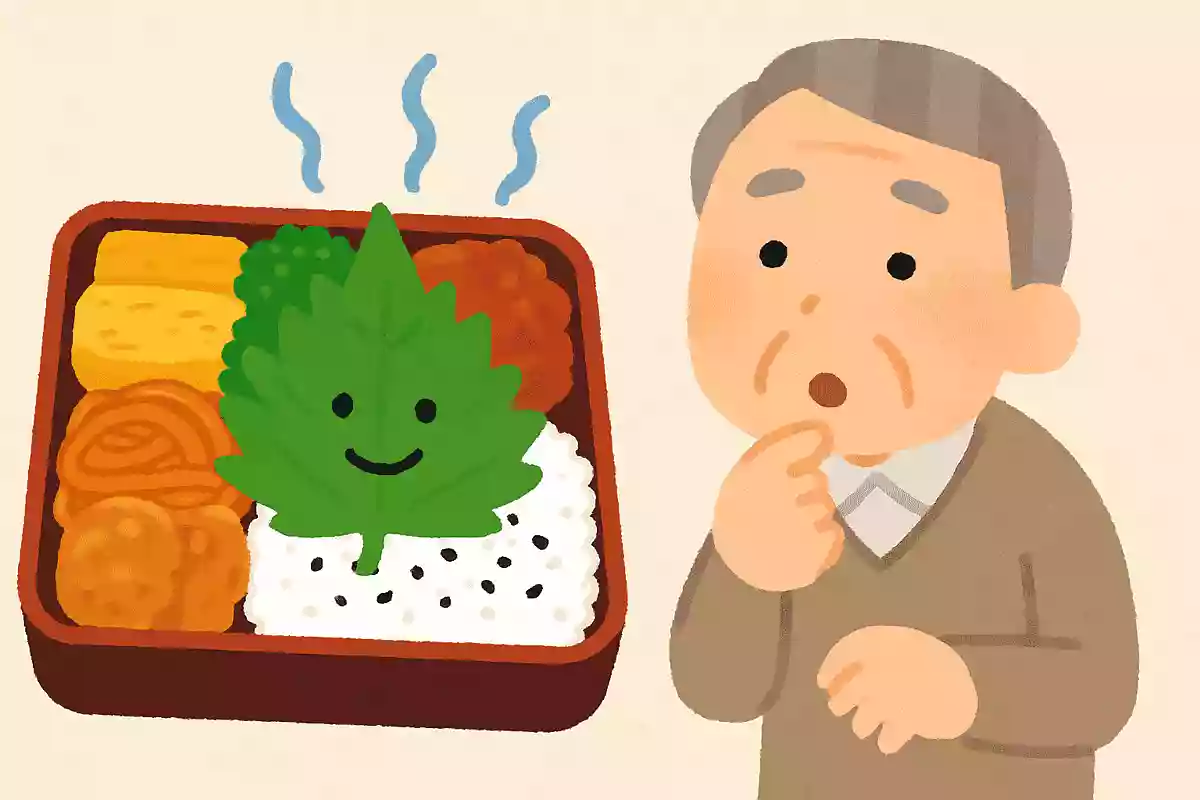
Here’s a trivia quiz: Which ingredient helps prevent food poisoning when packed in a bento? As temperatures rise, food poisoning from lunch boxes becomes a concern.
The ingredient said to help prevent it is umeboshi (pickled plums).
Umeboshi, rich in salt and citric acid, has strong antibacterial effects, making it a good addition to bentos.
However, it’s best not to rely on umeboshi alone—use it together with ice packs and an insulated bag.
A handy tip for the warmer seasons.