

[For Seniors] Trivia Quiz & Fun Facts for Everyday Life

Quizzes that are not only useful in everyday life but also enriching for general knowledge.
They’re easy to play, making them perfect for killing time.
This time, we’re introducing light, fun trivia quizzes for seniors.
If you know the answers to these quizzes, you can share them as knowledge with those around you.
Of course, they also help develop thinking and concentration skills, making them great brain training.
Get excited with quizzes,
show off fun facts, and naturally pick up knowledge as you play—this value-packed quiz collection has it all!
Give it a try!
- How much do you know? Trivia quiz for seniors that’s full of surprisingly unknown facts
- [For Seniors] Fun and Informative Trivia Quiz Collection
- [For Seniors] Fun and Informative! Health Trivia Quiz
- [For Seniors] Recommended Trivia Quizzes & Fun Facts for November
- [For Seniors] Lively two-choice trivia quiz. Handy to know and tidbits you'll want to share with others
- [For Seniors] Fun and Informative! Trivia and Quizzes Introduced
- [For Seniors] Sports Trivia Quiz & Fun Facts. Easy and Entertaining
- [For Seniors] Surprisingly Unknown! General Knowledge Quiz
- [For Seniors] Fun! Let’s Get Excited with Japan’s Number One Quiz
- [For Seniors] Trivia Multiple-Choice Quiz
- [For Seniors] Perfect Brain Training! Fun Trivia
- [For Seniors] Introducing Trivia Quizzes and Fun Facts About December
- [For Seniors] Let’s have fun with October trivia and fun facts quizzes!
For Seniors: Trivia Quiz & Fun Facts Useful for Daily Life (41–50)
What is it that we don’t have to do during the Cool Biz period starting in May?
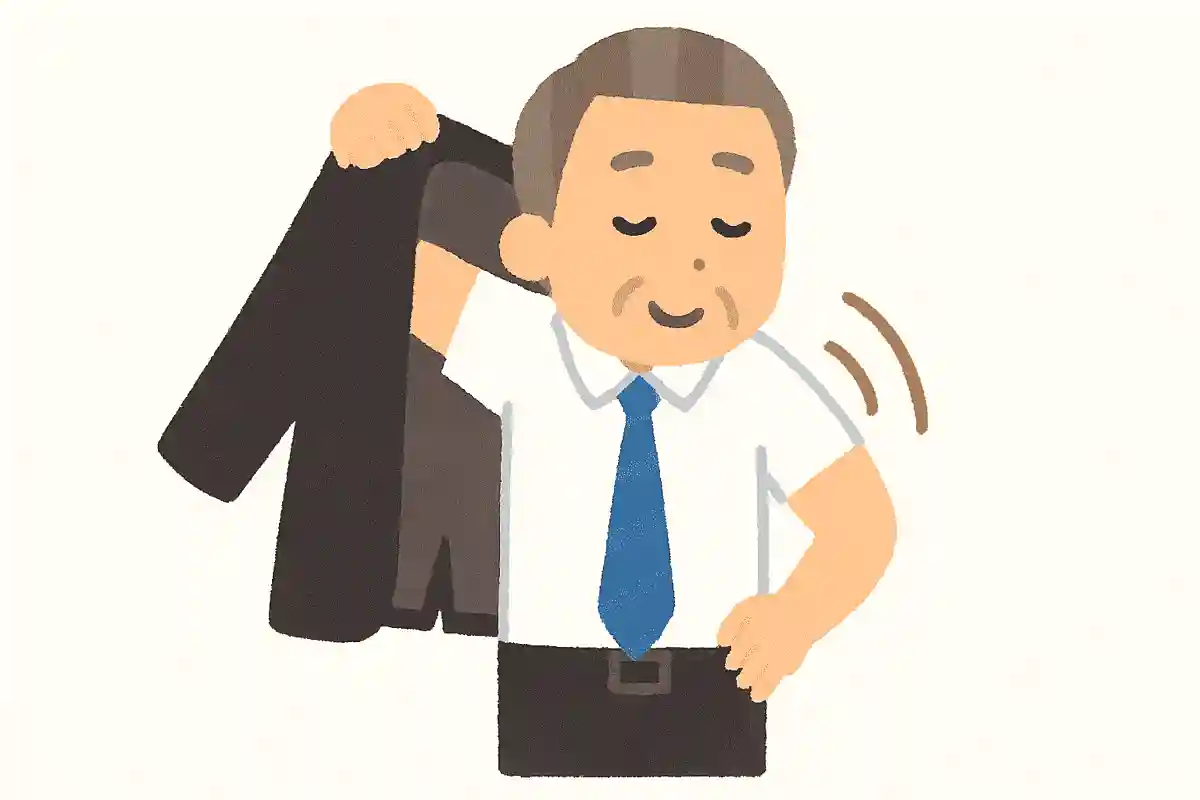
In May, as temperatures gradually rise toward summer, you can really feel the heat even while working, and it gets harder to stay focused.
Cool Biz, a set of measures tailored to those temperatures, refers to the period when certain things are not required.
A key hint is to consider which aspects of work make you feel hot and think about what you can stop doing to stay cooler.
The answer is that it’s the period when you don’t have to wear a suit—an initiative aimed at reducing heat and enabling more comfortable work.

[For Seniors] Trivia Quiz & Useful Tidbits for Everyday Life (51–60)
Which prefecture has the highest production of melons, a fruit that is in season in May?
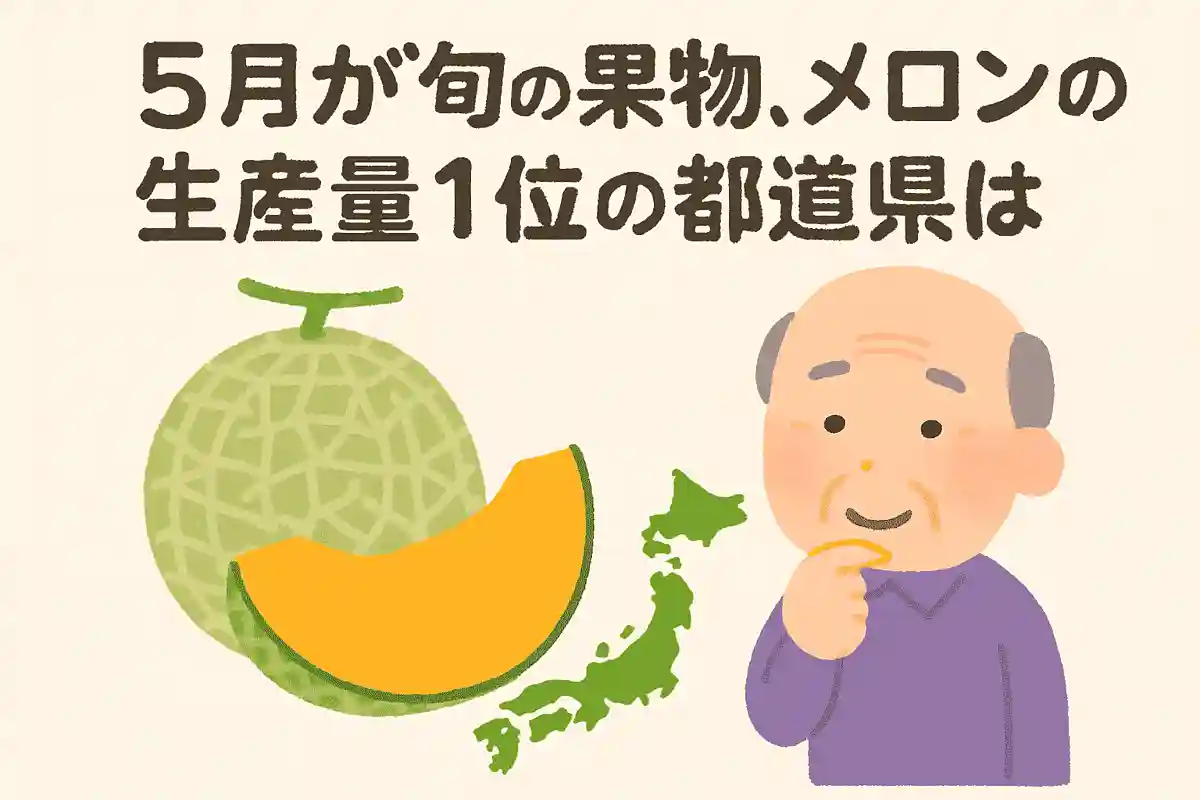
Melons are widely seen as a luxury fruit in Japan, and their peak season is said to arrive in May.
So which prefecture produces the most melons that are in season in May? Since melons need well-drained soil and a warm climate to grow vigorously, let’s consider those environmental features as well.
The answer is Ibaraki Prefecture, which enjoys a warm climate throughout the year and ranks first in Japan in both cultivation area and production volume.
Ibaraki also offers original melon varieties, so it’s worth looking those up too.
The old lunar month name for May, “Satsuki,” originates from rice planting.
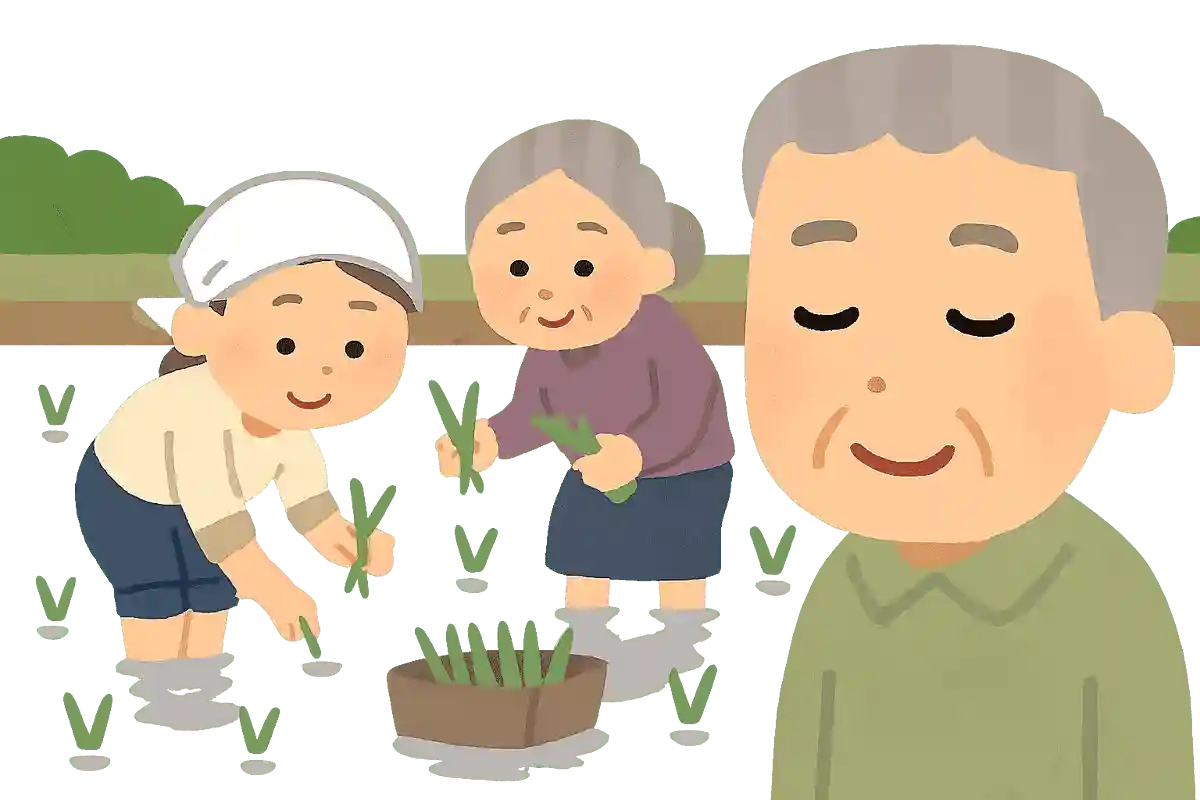
In the old lunar calendar, May is called Satsuki, right? There are various theories about the origin, but it’s said that the “sa” in Satsuki refers either to the rice field deity or to the rice offered to that deity.
There’s also a theory that it comes from “Sanaezuki,” the month of planting young rice seedlings (sanae), which was shortened to Satsuki.
It seems Satsuki is indeed related to rice planting.
Other names for May include Samidarezuki (Month of Early Summer Rains), Tsukimizukizuki (Month When the Moon Is Not Seen), and Umeno Irozuki (Month of Plum Colors), among others.
It could be fun to look up the various names for May together with older adults.

Snow peas are in season in May, but what do the peas inside become when they grow?
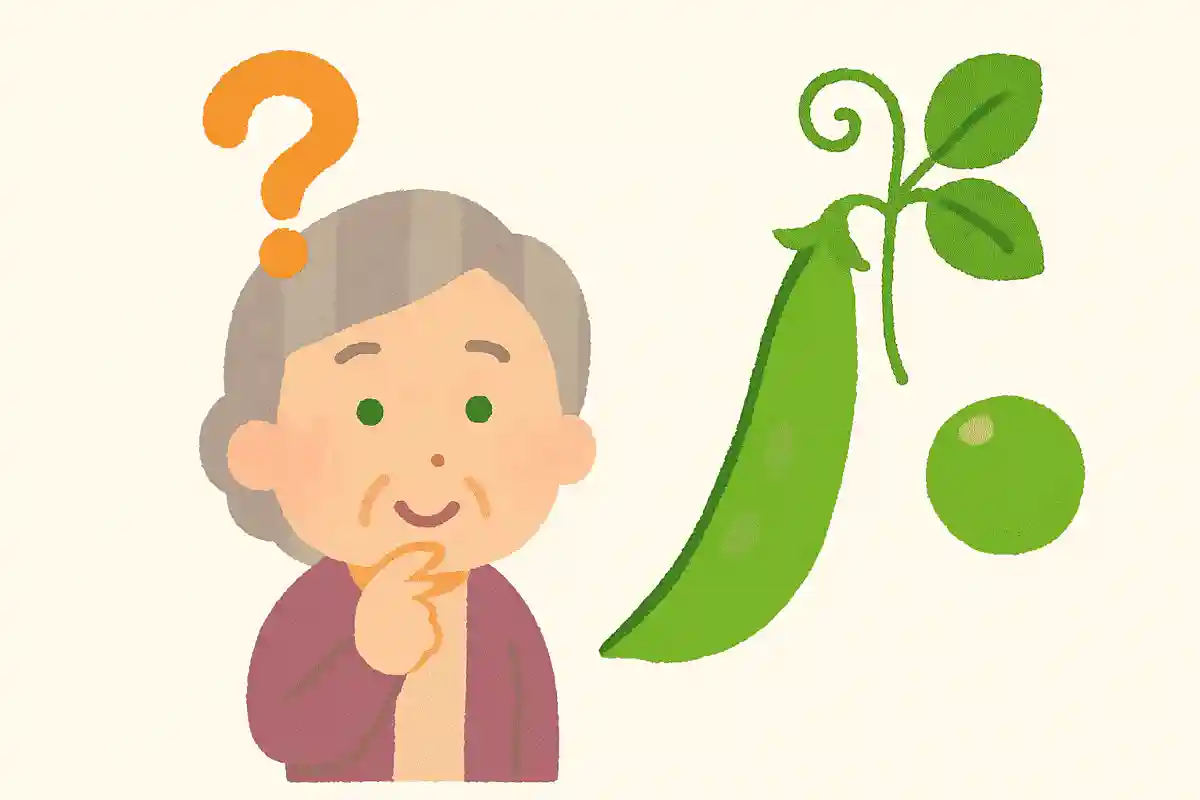
The foods that taste good change with the seasons, and in May, snow peas are one of the representative seasonal treats.
The peas inside snow peas get a different name as they mature—what are they called? We often think of eating the whole pod, but the main part is still the pea itself, so if you picture the peas you see in the store, you might figure it out.
The answer is green peas.
This name refers to the stage when the peas are larger than in the snow pea stage but still tender.
As they mature further, they’re called red peas or white peas, so “green peas” is a term used only for a limited period.
The meaning of rose flowers changes depending on their color and the number you give.
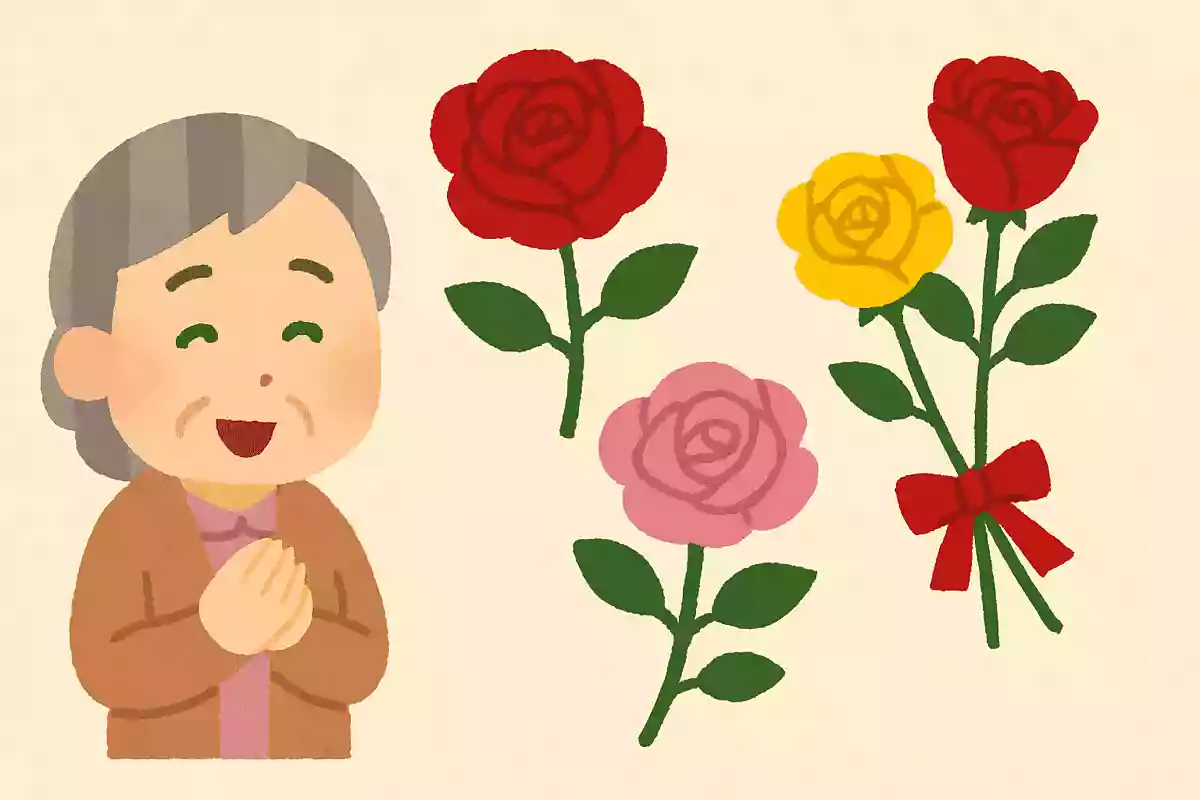
It seems that some roses are at their best from May to June.
Among older adults who enjoy gardening, some may even have rose bushes in their gardens.
Roses come in vivid colors like red, yellow, and white.
Interestingly, the meaning of roses in the language of flowers changes depending on their color and the number you give.
People often give roses on special occasions such as birthdays, anniversaries, or proposals.
When you give them, be sure to check both the color and the number.
By the way, 108 roses are said to be suitable for a proposal, conveying a message of an eternal vow to your beloved.
When is it considered best to avoid putting out the May dolls?
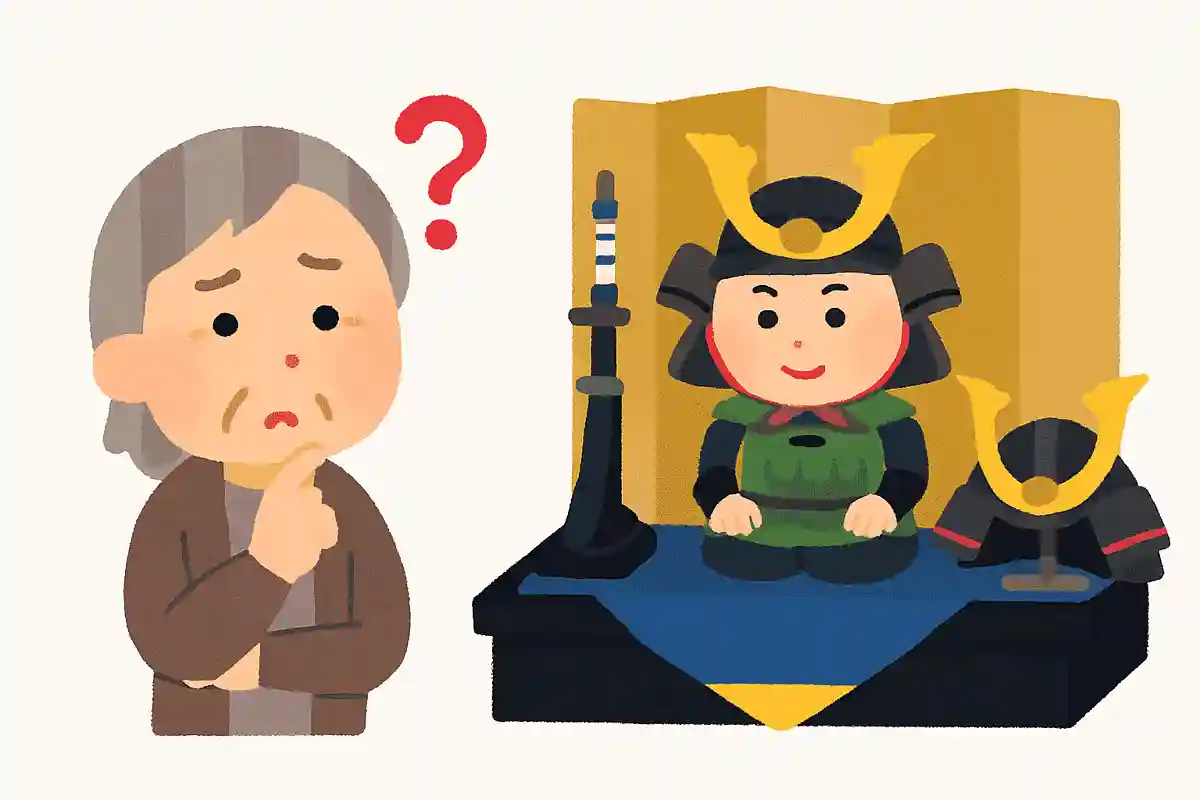
Gogatsu-ningyo, the traditional decorations for Children’s Day, are imbued with the wish for children to grow up healthy.
So, when is the time you should avoid putting them out? The hint lies in Japan’s notions of bad luck—especially those inescapable unlucky observances and how they’re scheduled.
The answer is the day before Children’s Day.
Hastily preparing everything at the last minute evokes a funeral, which is considered inauspicious, so it’s best to display them before then.
It’s also avoided because rushing suggests a lack of sincerity toward the Gogatsu-ningyo.
About 20% of elementary school students wear uniforms.
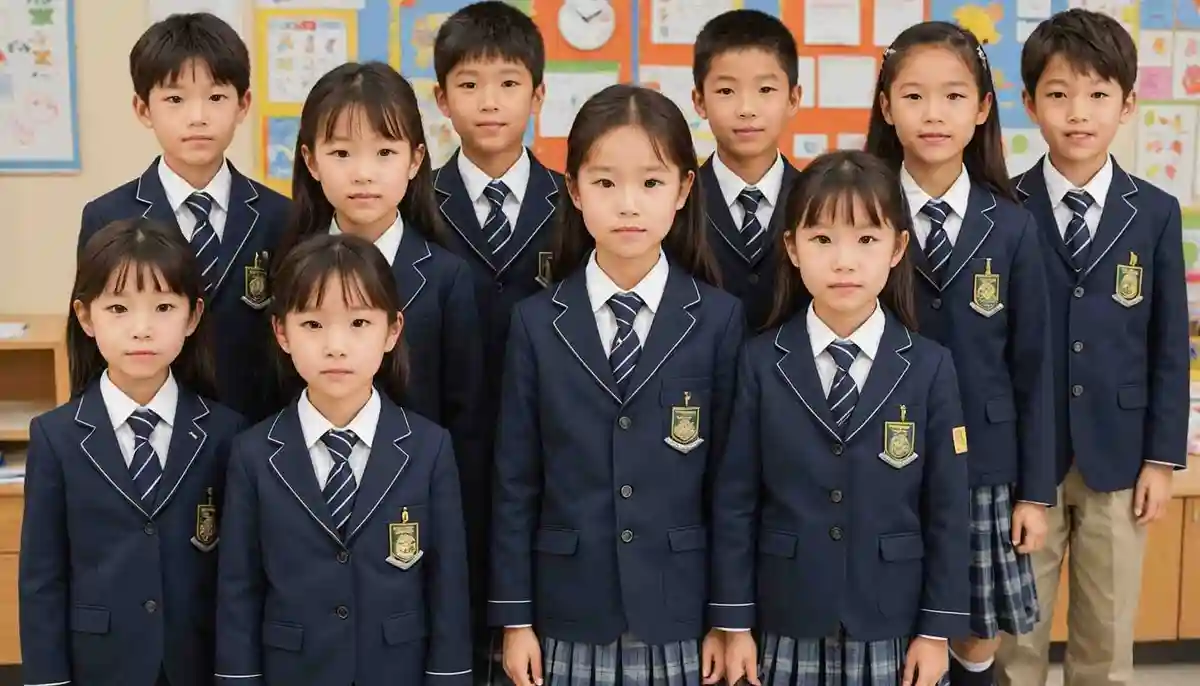
It’s said that about 20% of elementary school students wear uniforms.
The wearing rate varies by region, with higher rates in western Japan, Shikoku, and the Chugoku region.
Some parents point out benefits of having uniforms, such as not having to worry about what to wear and avoiding differences caused by casual clothes.
However, since elementary school children are in a period of rapid growth, uniforms can quickly become too small.
Replacing them can also be costly.
Incidentally, uniforms were introduced in elementary schools during the Meiji era.
The topic of uniforms also seems likely to lead into discussions with older adults about what they wore in their own elementary school days.