

The soul’s cry woven into Japanese elegies: unraveling supreme masterpieces that resonate with the heart.

The world of Japanese laments that sublimate sorrow and wistfulness into beautiful melodies.
From the desolate scenes woven by RC Succession led by Kiyoshiro Imawano, to the soul-stirring poetic realm of Agata Morio, and even the transparent feelings sung by the VOCALOID GUMI.
Timeless masterpieces that have continued to stay close to people’s hearts speak of heartbreak, loneliness, farewells…
They carry the cries of the soul felt in many moments of life.
Alongside vocals that quietly seep into the heart, they invite you into a deeply moving world.
- A classic of poignant, heartwarming songs. Recommended popular tracks.
- A classic Japanese song that sings of sorrow
- A masterpiece that sings of loneliness. Recommended popular songs.
- [Song of Osaka] A selection of passionate, warm-hearted Osaka tunes
- A Collection of Moving Shakuhachi Masterpieces | Beautiful Japanese Melodies That Stir the Heart
- [Hometown Songs] A curated selection of popular Japanese tracks that fill your heart with nostalgia
- The nostalgic atmosphere tugs at your heartstrings. Tear-jerker songs from the Showa era.
- A hidden gem among tearjerker songs. Recommended popular tracks.
- Masterpieces with the theme of “tears.” A roundup of moving tracks that tug at the heartstrings.
- [Kyoto Songs] Masterpieces that sing about Kyoto — songs themed on the ancient capital. The enduring heart of our hometown passed down in song.
- The Spirit of Japan: A Collection of Famous and Popular Shamisen Pieces
- For When You Need a Good Cry: Soul-Soothing Tearjerker Classics — Life, Love, and Work
- Heart-touching, tear-jerking masterpieces from the Showa era
The soul’s cry woven into Japanese elegies: Unraveling supreme, heart-stirring masterpieces (51–60)
elegyYuki Saori

Since her debut with “Yoake no Scat” in 1969, Saori Yuki has continued to release sophisticated adult kayōkyoku.
In the world of kayōkyoku, the word “banka” is treated as synonymous with “elegy,” and in this 1974 release she sings, as usual, in a mature, adult mood.
Night SwingShinsei Kamattechan

A sorrowful yet beautiful piece, marked by the striking image of the protagonist standing alone in a nighttime playground bathed in the gentle light of a crescent moon.
Included on Shinsei Kamattechan’s album “Danchi Thesis,” released in January 2025, this song masterfully conveys loneliness and a sense of loss through its fantastical worldview and uniquely weightless sound.
As the protagonist’s emotions are quietly sketched over a wavering waltz in 3/4 time, it exudes a mysterious allure that makes the boundary between reality and dreams seem to dissolve.
It’s a track that accompanies life’s turning points—graduations, farewells, and more.
An ideal song to listen to in those quiet moments of the night when your heart begins to sway.
Elegy of the Hot Spring TownŌmi Toshirō

This is a song by Toshiro Omi that was released in 1948, shortly after the end of the war.
Selling 400,000 records was a major hit for the time.
Masao Koga’s many masterpieces, whose plaintive guitar melodies stirred the hearts of the Japanese people back then, came to be known as the “Koga Melody.”
Enoshima ElegySugawara Totoko

After the war ended, the elegy genre experienced a brief boom.
Among its performers, Totoko Sugawara—known for her distinctive, vibrato-rich singing style—was called the “Queen of Elegies.” This “Enoshima Elegy” was released in 1951 and was adapted into a film the same year.
A soul’s cry woven into Japanese elegies: unraveling the ultimate masterpieces that resonate with the heart (61–70)
Transparent ElegyGUMI
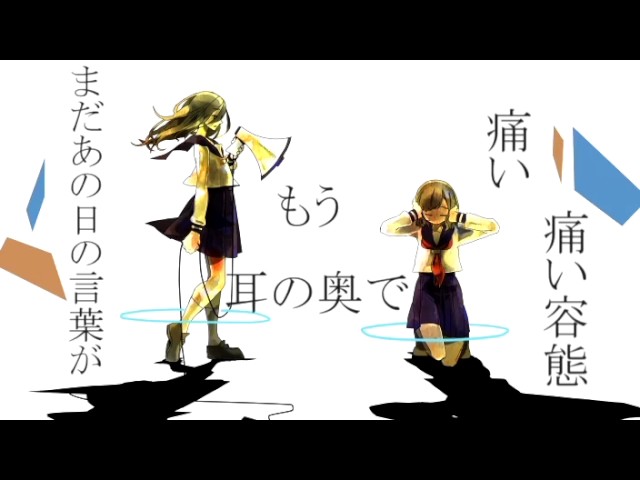
This is an original song for the VOCALOID “GUMI,” created by the Vocaloid producer nabuna.
Its melody line, which skillfully makes use of the high register, perfectly matches the poignancy and beauty of the lyrics, powerfully stirring the listener’s heart.
It could be called a masterpiece of a new-generation elegy.
Ranchu (a breed of goldfish)tama

This is the B-side track from when Tama, who came from ‘Ika-ten,’ made their professional debut in 1990 with ‘Sayonara Jinrui.’ It has a unique worldview, but it may reflect the sad feelings of a ranchu living as a ‘spectacle,’ which they perhaps linked to themselves as they stepped into the entertainment world.
Showa Elegychiaki naomi

Naomi Chiaki, who has many classic songs like “Kassai” that sing of urban melancholy, recorded this as a “hidden gem” on her 1988 album.
With lyrics by Osamu Yoshida and music by Toru Funamura—the golden duo of the enka era—the song features evocative lyrics that nostalgically reflect on the Showa period.
In conclusion
We have introduced a number of elegies that resonate deep within the heart—timeless masterpieces by artists like nabuna, Agata Morio, and Masashi Sada. Each gem reflects the subtleties of human emotion while staying true to the background of its era. If you listen closely, you can still hear the cry of Japan’s soul even now. I hope you’ve found a song that will linger in your heart.