

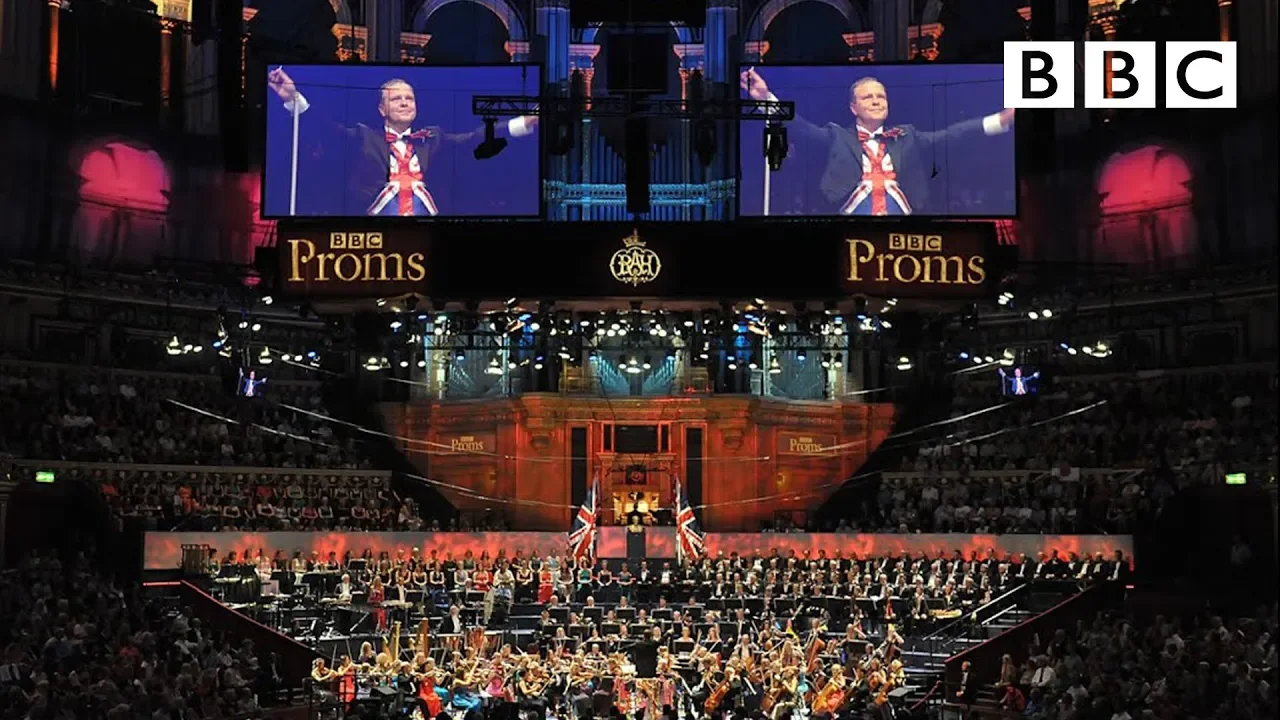

Edward Elgar is one of Britain’s quintessential composers; his Pomp and Circumstance and Enigma Variations are immensely famous and are frequently performed at orchestral concerts.
He also wrote Salut d’Amour as a gift to his wife, Caroline Alice Roberts, and even those unfamiliar with Elgar’s name have likely heard this melody.
To explore the allure of Elgar, we’ve compiled a list of many of his masterpieces this time!
We hope this helps you dive into Elgar’s charm and the stylish, enjoyable world of classical music.
- [Violin] A curated selection of beloved classic masterpieces and popular pieces that continue to be cherished across eras
- Edward Elgar Popular Song Rankings [2026]
- Brahms's masterpieces. Popular classical music.
- [Masterpiece Classics] A special showcase of gem-like masterpieces so beautiful they’ll move you to tears
- Masterpieces by Gustav Mahler. Popular classical music.
- Timelessly beautiful classical masterpieces. Recommended classical music.
- Mendelssohn’s Masterpieces | Popular Classical Music
- Popular classical piano pieces. A collection of masterful performances by Japanese pianists.
- Jacques Ibert Popular Song Ranking [2026]
- Cello Masterpieces: A comprehensive introduction to exquisite classical works that let you savor its profound timbre
- [Haydn] Pick up famous and representative pieces!
- [Baroque Music] A Curated Selection of Timeless Masterpieces and Famous Works
- Gabriel Fauré | Introduction to His Famous and Representative Works
Elgar’s masterpieces: Popular classical music (1–10)
Pomp and Circumstance March No. 1 in D majorEdward Elgar

Here is an introduction to a defining piece you can’t overlook when discussing the British composer Edward Elgar.
Pomp and Circumstance, Op.
39, is a set of marches for orchestra composed by Elgar.
During his lifetime, Nos.
1 through 5 were premiered and published.
Today there are six marches, with the posthumous No.
6 added, but No.
1 is especially famous and is said to be dearly loved by the British public.
Many performances feature a vigorous, crisp introduction, while the middle section through to the end is moving—a masterpiece that excites both performers and listeners alike.
Among Elgar’s works, it is frequently performed, and even if you don’t know the title, it’s likely a piece you’ve heard before.
Violin Concerto, Op. 61Edward Elgar

Composed in 1910 by Edward Elgar, a composer representing Britain, this is a concerto for violin and orchestra.
It is one of Elgar’s longest instrumental works (around 45 minutes) and consists of three movements.
It is a highly romantic piece, with an especially beautiful second movement, while the third movement features breathtaking violin virtuosity.
Among violinists, Jascha Heifetz and Itzhak Perlman, among others, have left recordings of it.
Violin Sonata, Op. 82Edward Elgar

Do you remember the scene from the hugely popular manga Nodame Cantabile—also adapted into an anime, TV drama, and live-action film—where Nodame is accepted by the musically distinguished Chiaki family in just one go? The piece she performs with Chiaki in that scene is the Violin Sonata, Op.
82.
Composed by Edward Elgar, it is his only violin sonata, written in 1918, consisting of three movements and running about 25 minutes.
It’s a piece that is both wistful and passionate, inviting you to immerse yourself in a range of emotions.
Cello Concerto in E minor, Op. 85Edward Elgar
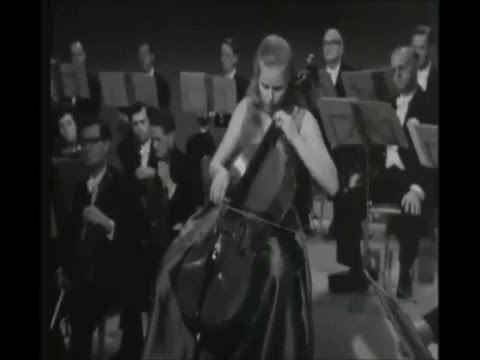
Composed in 1918, this cello concerto is especially moving in its first movement, where the melody is superb.
The whole piece runs about 30 minutes, so if listening to the entire work feels daunting, you won’t regret listening to just the first movement.
You’ll be struck by how beautiful and passionate the cello can be—it’s sure to move you.
Although the work received a poor reception at its premiere due to limited rehearsal time, a subsequent performance featuring British cellist Beatrice Harrison as soloist was successful; later, Jacqueline du Pré performed it frequently, helping it gain wide recognition.
It’s a clear example of how a performer’s influence can greatly shape a classical work’s fame.
Today, it is regarded as one of the quintessential cello concertos.
Salut d’Amour, Op. 12Edward Elgar

A piece given in 1888 to commemorate his engagement to Caroline Alice Roberts, who would later become his wife.
Their marriage faced much opposition—partly because she was older—and the path to wedlock was a difficult one.
Edward Elgar enjoyed strong sales of the score and left several versions, including for solo piano and for piano and violin; it is performed not only on the violin but also on viola, cello, and other instruments.
Its sweet, lyrical melody has captivated many listeners, and among Elgar’s works it ranks as one of the most popular, alongside Pomp and Circumstance and the Enigma Variations.
Pomp and Circumstance March No. 4 in G majorEdward Elgar

We delve into the allure of composer Edward Elgar.
Born in 1857, Elgar grew up surrounded by music.
His representative work, “Pomp and Circumstance,” is characterized by its grand, powerful rhythms.
Completed on June 7, 1907, the piece premiered in London on August 24.
Elgar composed it at the age of 50 and dedicated it to a friend.
Although it has no lyrics, the music alone conveys national pride and historical dignity.
It is recommended for those interested in classical music or seeking something majestic to listen to.
Through Elgar’s music, you can also gain a sense of Britain’s culture and history.
Pomp and Circumstance March No. 6 in G minor (Posthumous)Edward Elgar

While many classical composers are known for numbering their symphonies, it could be said that for the British composer Edward Elgar, his Pomp and Circumstance Marches serve as his hallmark series.
Did you know there are six of them? The sixth was reconstructed in 2006 by Anthony Payne from material Elgar left unfinished during his lifetime.
It is a characteristically Elgarian, majestic, and grand march, yet it consists of two relatively short movements.
The opening features a heavy, tense melody, while the latter part introduces a brighter, more expansive trio theme.
As with Elgar’s other works, it seems to embody national pride and heroic imagery, yet also contains an undercurrent of anxiety and restrained passion.
It’s a recommended piece not only for those interested in classical music, but also for anyone keen to discover a new facet of Elgar.