


In today’s global community, English has become indispensable, hasn’t it?
It’s now included as a subject in elementary schools, and many people begin studying English in earnest as adults.
In this article, we’ll introduce various trivia and fun facts about English.
Studying English can be tough, but learning about it from a slightly different angle—through trivia and fun facts—can make your studies even more enjoyable!
Feel free to use this as a little breather during your English study sessions!
- [Interesting] Compilation of Trivia Quiz Questions
- Learn English through fun! English games
- [Great for speeches] Trivia and fun-fact quizzes recommended for morning assemblies
- Trivia and fun facts about food (summary)
- Perfect for pronunciation practice! A collection of English tongue twisters.
- [Study] Fun to Know! A Collection of World History Trivia Quizzes
- Fun facts you’ll want to share! January trivia and tidbits special
- A compilation of unsettling trivia and fun facts about Earth
- [For Kids] Let’s Play in English! A Collection of Fun Recreational Activities and Games
- Trivia quiz with useful tips to know: fun facts that come in handy at school or at home [for kids]
- Stimulate your intellectual curiosity! Fascinating trivia quizzes that you’ll want to share with others
- [For Kids] November Trivia Quiz & Fun Facts: Let’s Learn While Having Fun!
- Trivia quiz about schools: a roundup of fun facts you’ll want to brag about
English is even more fun! A collection of trivia and fun facts about English (1–10)
Nonexistent English words sometimes end up in dictionaries.
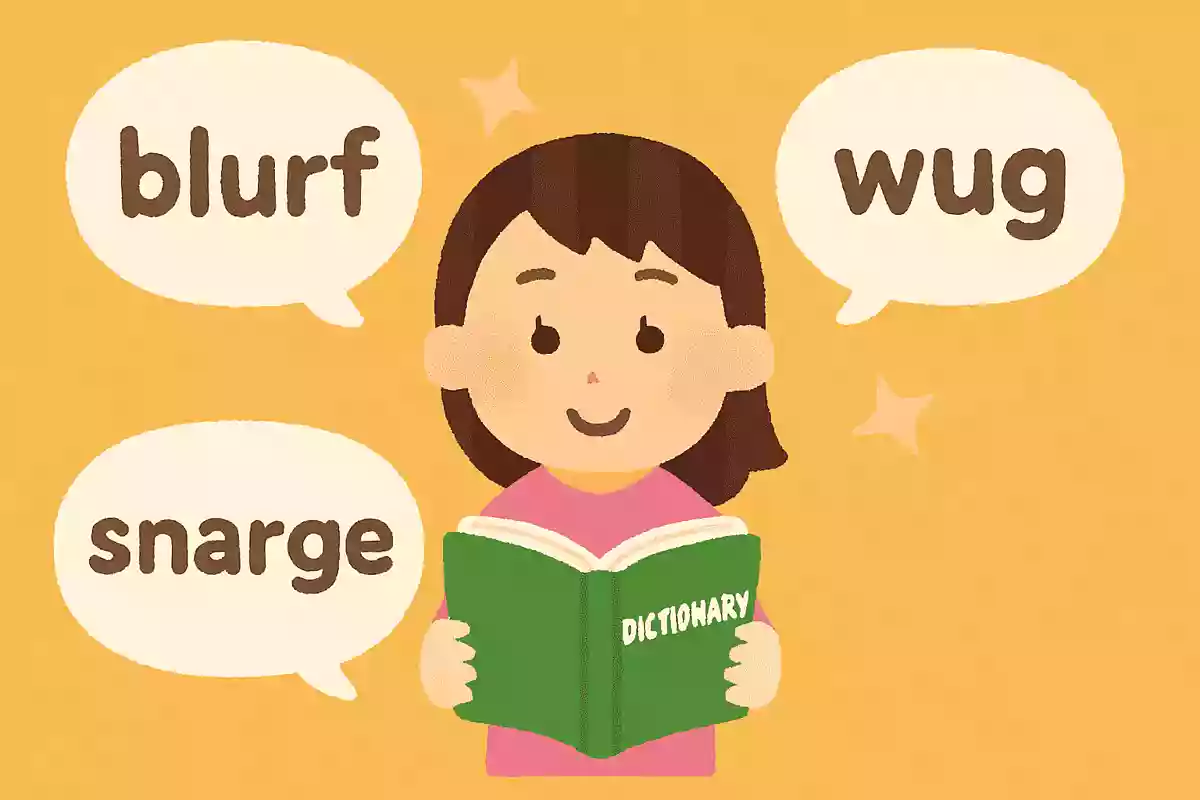
Did you know that non-existent English words sometimes make it into dictionaries? Such non-existent words are called “ghost words,” and it’s said that the first person to use the term was Walter William Skeat.
Some words began as typographical errors and, interestingly, ended up being used in the language.
These days, there are dictionary sites where artificial intelligence generates imaginary words, and they’ve become a hot topic.
Those made-up words come with plausible explanations, and the site will even provide convincing definitions for words you make up yourself.
Language is fascinating, isn’t it?

The longest English word is “Pneumonoultramicroscopicsilicovolcanoconiosis.”
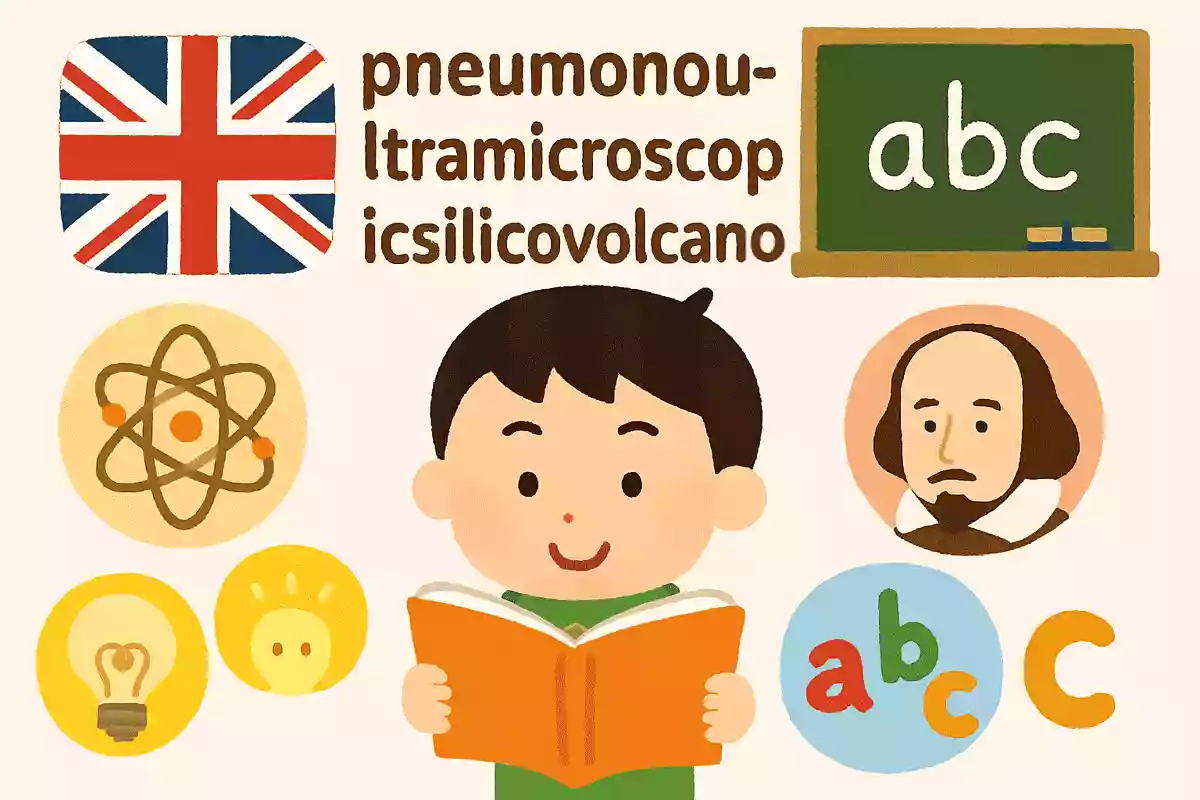
The longest word in English is said to be “pneumonoultramicroscopicsilicovolcanoconiosis,” with a whopping 45 letters.
It feels like I could never memorize it in my lifetime.
By the way, this word refers to a type of lung disease: pneumoconiosis.
A word this long practically begs for an abbreviation.
On the other hand, the shortest English words are “l” and “a.” The word “I,” which refers to oneself, is especially convenient to be short, since people in English-speaking countries need to write it so often.
The origin of the name “alphabet” comes from alpha (α) and beta (β).
The 26 letters of the alphabet—many of us probably learned them first when studying English.
But when did they come to be called the “alphabet,” and what are their origins? The alphabet used in English is fundamentally based on the Greek letters that have been in use since ancient times.
Because the Greek letters begin with alpha and beta, they were referred to as the “alpha-beta,” which is said to have evolved into the word “alphabet.” The history of writing is fascinating, isn’t it?
A word that remains the same even when turned upside down is called an “ambigram.”
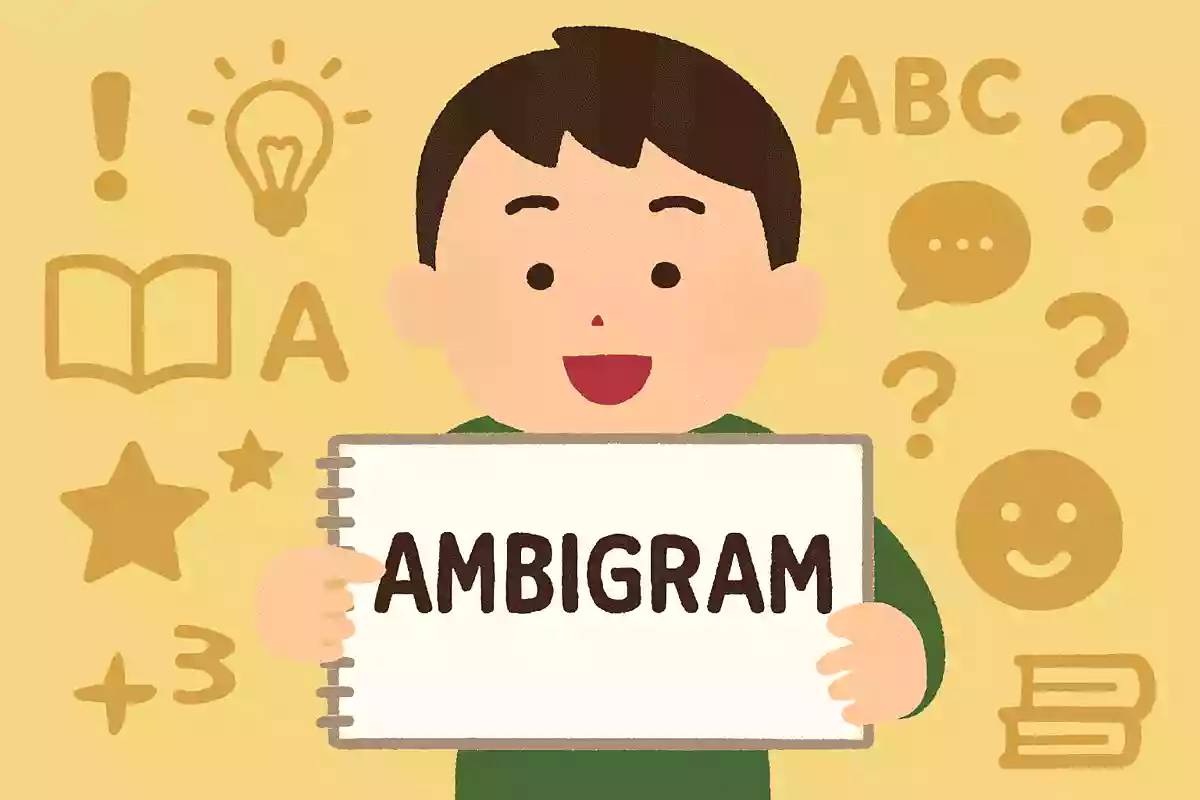
It seems that words that read as the same English word even when turned upside down are called “ambigrams.” In Japanese, palindromes such as “しんぶんし” and “たけやぶやけた” are called palindromes. In Japanese, when written in roman letters they don’t look the same upside down, so ambigrams seem difficult.
As an aside, I’ve heard that dictionaries sometimes deliberately include words that don’t actually exist—ghost words.
This is apparently done for reasons such as protecting the dictionary’s copyright, which is quite interesting as well.
The most commonly used noun is “time.”

What do you think is the most commonly used noun? A noun is “a word that serves as the subject of a sentence.” You always use them when you speak, right? Among such nouns, the most frequently used one is “time.” The second is “person,” the third is “year,” the fourth is “way,” and the fifth is “day.” Indeed, these are all nouns we use often.
Which noun do you use the most? It might be interesting to start paying attention to this.
It could also be fun to look up rankings of commonly used nouns by country or industry.

A new English word is being added every two hours.
People say language is a living thing, but did you know that English vocabulary is actually growing at a rate of two words per day? It may be natural that new words appear whenever new products and phenomena emerge—just like how many terms were coined during COVID.
On the other hand, there may also be an increasing number of words that are falling out of use.
Even so, you could say there are fewer words that capture subtle nuances the way Japanese does, and some new words are simply predictable derivatives of existing ones.
If you keep up with new vocabulary, people might see you as someone who’s on the ball.
English is not an official language in the United States.

People tend to assume that English is the official language of the United States, but that’s not correct.
Strictly speaking, there is no designated official language.
The reason is unclear, though it may be related to the large number of immigrants living in the country.
That said, some states do designate English as their official language.
By the way, in Hawaii, both English and Hawaiian are official languages.
It might be fun to look up the official languages of states you’re curious about—you might find some surprising facts.