


When you look through enka song titles, many of you may have noticed there are a lot of tracks called “___ Blues.”
Blues is a music genre born in America, where singers pour a range of emotions into songs built on a particular rhythm and chord progression.
In Japan’s enka scene, many songs began to be composed with the blues in mind, and a particularly large number of melancholy tunes were released.
In this article, we’ll introduce classic enka songs whose titles include the word “Blues.”
Listen to them while picturing the scenes and emotions woven into each track.
- Ranking of popular blues songs
- Classic and popular blues songs to sing at karaoke
- [2026] A Collection of Masterpieces of Enka and Mood Kayō
- A classic of Japanese blues. Japanese blues that lets you get drunk on the sound and vocals.
- Women’s Enka: A collection of classic enka songs expressing women’s emotions
- Cool masterpieces of enka, the heart of Japan
- Enka songs about Kobe: a collection of famous tracks celebrating the city's port and streets
- Nostalgic enka. A collection of classic enka hits from the Showa era.
- [For Men] Masterpiece Enka Songs with High Difficulty
- [Enka] Songs That Are Easy to Sing Even for the Tone-Deaf [Male Singer Edition]
- [For Beginners] Recommended Enka Classics for Karaoke — Women Singers Edition
- [Men] Enka Songs That Can Score High in Karaoke
- [For Beginners] Recommended Enka Masterpieces for Karaoke — Male Singers Edition
A collection of enka songs with “Blues” in the title: Classic masterpieces of sorrow (1–10)
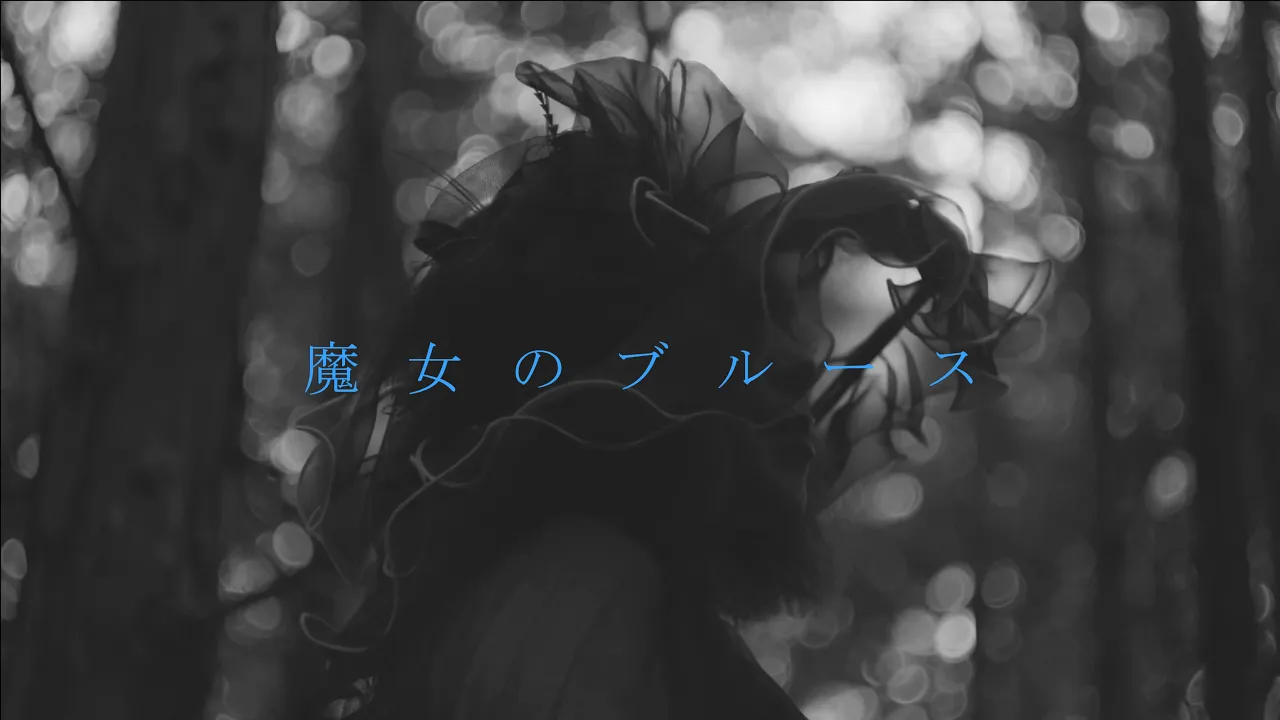
Witch’s BluesKasumi-KASMI-

“Witch’s Blues” is KASMI’s second single.
It’s a work wrapped in the bewitching atmosphere of the late night.
The arrangement is by Hideya Sawamura.
True to KASMI’s self-styled persona as a “witch who sings and dances,” it’s crafted as a kayōkyoku piece that boldly incorporates elements of blues.
Her sultry vocals pair beautifully with the smooth, restrained melody.
It’s an emotion-rich enka-kayō song that makes you want to listen slowly in a nighttime bar.
Shinjuku BluesOugi Hiroko

This is a blues number by Hiroko Ogi, whose husky yet tender delivery and soaring vocals leave a distinctly original impression.
The song is renowned as a classic and, with its moody kayōkyoku style, is well-suited for karaoke.
Scorpio womanMikawa Ken’ichi

Speaking of blues, Kenichi Mikawa’s “Sasori-za no Onna” (Scorpio Woman) is an essential track.
The song regained the spotlight thanks to Korokke’s impression, and it’s become a karaoke staple.
The lyrics are actually quite dark, but Mikawa’s distinctive persona keeps it from feeling too heavy and makes it enjoyable.
Mikawa has enjoyed great popularity with local-themed songs like “Yanagase Blues” and “Niigata Blues,” and this song can certainly be counted among his signature works as well.
When you sing it at karaoke, aim for impact and keep Mikawa’s character in mind as you perform.
Blues of the DawnItsuki Hiroshi

This is about television, but now that viewers’ channel options are no longer limited to terrestrial broadcasting, the number of enka programs is steadily increasing.
I wonder if Japan’s aging population has something to do with it.
“Yoake no Blues” leans more toward mood-kayo-style enka.
Its catchy melody follows a different line from shamisen and shakuhachi-based tunes, so even young listeners can enjoy it without any sense of mismatch.
The lyrics, depicting the push-and-pull between a man and a woman set against the nightlife of the city, spin a tale of romance that’s a true stage for adults.
Hiroshi Itsuki’s relaxed vocal delivery feels wonderfully light.
Ichibangai BluesHama Hiroya
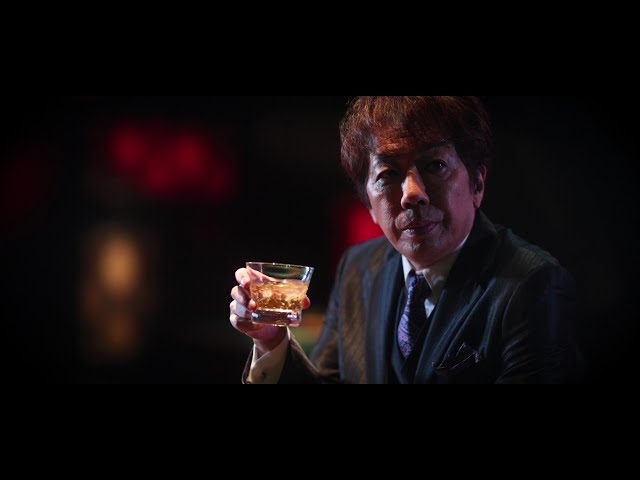
With a voice that blends urban allure and translucence, Hiroya Hama has long brought color to the world of mood kayō (Japanese popular ballads).
Released in August 2025, this song is set in the nighttime city and portrays a secretive love story between a man and a woman.
The subtle signals exchanged in neon-lit entertainment districts, along with the bittersweet frustration and exhilaration of a relationship that must remain hidden, are beautifully conveyed through Hama’s signature, soaring high notes.
Listening to this piece, you’ll likely feel a slightly illicit, intoxicating sweetness—as if you’re peeking into a scene from a drama.
Not even worth confessingKitahara Mirei

One blues number that really fires up the karaoke crowd is Mirei Kitahara’s “Zange no Neuchi mo Nai” (“No Value in Confession”).
Released in 1970 as her debut single, the song drew attention to her talent, honed through performing in nightclubs.
Her polished vocals caught the eye of lyricist Yū Aku and singer Hiroshi Mizuhara, leading to her professional debut.
The song’s appeal lies in its unique beauty steeped in anguish and longing.
Packed with the essence of the blues, it remains a favorite for karaoke to this day.
When a singer pours their own emotions into it, the song’s depth truly stands out.
“Zange no Neuchi mo Nai” can rightly be called an immortal classic.
Ura-Namba BluesMizuki Kei

This is a blues enka by Kei Mizuki that conjures up the bustle and neon of Osaka’s backstreets in Ura-Namba.
Known as a “high-spirited Naniwa girl,” she sings a one-night-only love story.
The lyrics, which even drop the names of modern cocktails, are filled with the regret of not exchanging contact information and the aching feelings of a woman who can’t forget the person she spent just one night with.
If you have an unforgettable love memory, or on a night when you want to sink into a touch of sentimentality, listening to this will surely tighten your chest at the heroine’s endearing earnestness.