

Diva of Enka: A roundup of female singers leading the enka world

When you hear “diva of the enka world,” which singer comes to mind? If you’re an enka fan reading this article, you’re probably thinking, “I can’t pick just one!” This article will introduce, all at once, the women who are leading Japan’s enka scene.
We’ve selected popular female enka singers from across different generations.
Be sure to listen to their songs, and if one catches your interest, check out more of her music too.
- A roundup of female enka singers in their 70s: voices that evoke nostalgia
- A roundup of 40-something female enka singers with captivating voices
- A roundup of captivating enka female singers in their 50s [2026]
- [2026] A roundup of female enka singers in their 60s: Artists who support Japanese enka
- [Enka] A special feature on female singers in their 30s: Kayō singers whose music goes beyond enka
- Popular Enka Singers Ranking [2026]
- Women’s Enka: A collection of classic enka songs expressing women’s emotions
- [Enka] A special feature on female singers in their 80s. Singers who were active from the early to mid-Showa era.
- 【2026】Difficult Enka Songs to Sing — Women Singers Edition
- Classic enka songs you’ll want to sing at karaoke: recommended popular tracks
- A roundup of leading female enka singers representing the Showa era
- A roundup of female enka singers in their 20s: The young divas of the enka world
- Debut song of an enka singer
Diva of Enka: A roundup of leading female singers in the enka world (91–100)
Like the flow of a riverMisora Hibari

Hibari Misora, one of Japan’s most renowned enka singers.
She has many famous songs, and among them are both difficult and easy ones.
This time, I recommend “Kawa no Nagare no Yō ni,” which is reasonably easy to sing and extremely popular.
Although it gives the impression of being high, its vocal range isn’t excessively wide.
However, it uses many kobushi (ornamental twists), so if you tend to go off pitch with the kobushi, ignore them and focus solely on staying in tune.
Be sure to add it to your repertoire.

Crimson SunMisora Hibari

A classic that represents the Showa-era pop scene, this song portrays a passionate summer romance set by the sea.
The blazing fire of love is likened to the sun, and the powerful chorus makes it an energizing track.
Misora Hibari’s rich, soaring vocals are truly captivating.
Released in May 1967, the song became a huge hit, selling over 1.4 million copies.
Rather than straight enka, it incorporated elements of the then-trendy Group Sounds, and with Jackie Yoshikawa and the Blue Comets backing, the recording has a cool, upbeat groove.
First, let yourself sink into the rhythm; even just belting out the chorus will be more than enough to enjoy it.
A woman aloneFuji Ayako

Aya Koji, a popular enka singer who debuted toward the end of the Showa era and has remained an active, top-tier performer through the Heisei and Reiwa eras, continues to shine today.
She has many beloved karaoke favorites, and the song featured here, “Onna ga Hitori” (A Woman Alone), is a cover of a classic by Saburo Kitajima, released as a single in 2023 to commemorate the 35th anniversary of her debut.
The excellence of the original goes without saying, but as you can hear in Koji’s version, the song is a perfect fit for her—sung with elegant, lustrous tone and great care.
At first listen it sounds like a straightforward, classic enka number, but the pitch movement is quite dramatic, and smoothly transitioning between the low and high notes takes familiarity and practice.
Be mindful of singing expansively and smoothly while feeling the relaxed 3/4, waltz-like rhythm.

Keiko’s Dream Opens at NightFuji Keiko
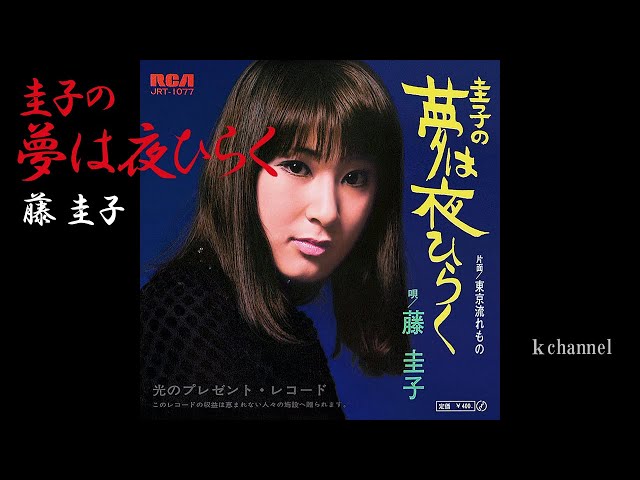
It’s a classic that represents the Showa-era enka scene and is known as one of Keiko Fuji’s signature songs.
The lyrics, depicting the poignant feelings of a woman chasing her dreams in the nightlife district, are striking, and her distinctive husky voice beautifully captures the song’s world.
Released as a single in April 1970, it won the Japan Record Grand Prize and was also performed on that year’s Kohaku Uta Gassen.
When singing it at karaoke, it’s important to honor the song’s narrative world and sing with emotion.
It’s especially recommended for those who struggle with high notes but are confident in their lower range and want to try enka.
From the northern innMiyako Harumi

Harumi Miyako is a female enka singer who has gained popularity for her exceptional vocal ability.
She has many famous songs, but the one I especially recommend as easy to sing is Kita no Yado Kara (“From an Inn in the North”).
This piece is notable for its passionate melody and, for enka, it has a relatively wide vocal range.
Therefore, first make sure to adjust the key so you don’t slip into falsetto.
Fortunately, compared to many of Harumi Miyako’s songs, this one uses fewer kobushi (ornamental bends), so even those who struggle with kobushi can sing it with confidence.