

A roundup of regional enka songs: classic hits that feature places from all across Japan in their lyrics.

There are lots of songs whose titles are place names from around Japan, or that mention place names in their lyrics.
Some artists have produced many such “local songs,” and the local-song category has become established as its own genre.
While there are plenty of local songs in mainstream pop as well, in this article I’ll focus on enka local songs and introduce a bunch of recommended tracks all at once!
I’ve chosen a wide range—from famous hits everyone knows to hidden gems known only to aficionados—so please take this opportunity to give them a listen.
- A classic enka masterpiece about one's hometown. A wonderful song that evokes thoughts of home.
- [Local Songs] Recommended tracks packed with Japan’s nationwide classics and hometown pride
- Enka songs about Kobe: a collection of famous tracks celebrating the city's port and streets
- [2026] A Collection of Classic Enka and Kayōkyoku Songs About Nagasaki [Local Songs]
- [Showa Era] A Collection of Enka Hits: Timeless Classics Loved Across Generations
- Cool masterpieces of enka, the heart of Japan
- [Queen of Enka] A Collection of Easy-to-Sing Songs by Sayuri Ishikawa [2026]
- A roundup of male enka singers who represent the Showa era
- [Today's Recommended Enka] Carefully selected enka songs that perfectly match today's mood!
- Easy-to-sing enka: A roundup of recommended enka songs for karaoke
- Queen of Local Songs: Kaori Mizumori's Easy-to-Sing Tracks
- Classic enka songs you’ll want to sing at karaoke: recommended popular tracks
- Recommended enka set in autumn: a collection of heart-touching masterpieces
Enka Local Songs Roundup: Famous Tracks Featuring Locations Across Japan (41–50)
Izu ShowerKitagawa Yūji
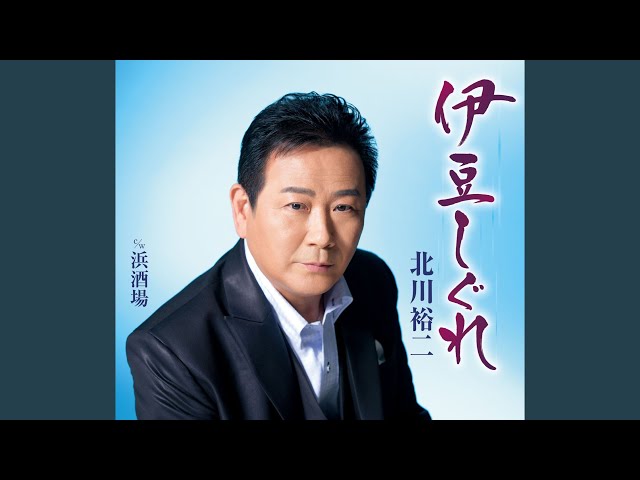
A wistful song beautifully rendered with deep emotion by veteran enka singer Yuji Kitagawa.
Released in 2018, this piece is a lyrical enka number where the rain-veiled scenery of Izu intersects with a helpless yearning for love.
As the gentle intro begins, it feels as if a cold autumn drizzle, a shigure, is pouring into your heart.
Perhaps it is a journey retracing memories of a love that has passed.
Kitagawa’s rich, warm voice blends exquisitely with the imagery of the Amagi mountains and the lonely coastline, tightening the listener’s chest.
Many will likely see themselves in the protagonist who, burdened by heartbreak, wanders alone through Izu.
Compilation of local enka songs: classic tracks featuring places across Japan (51–60)
Secret FireflyNagai Miyuki

Miyuki Nagai’s “Hibotaru” is set in early-summer Nara, overlaying a fleeting love with fireflies dancing in the dark.
The song moves from a flower-scented daytime scene to a night where fireflies take flight, drawing you into a world that feels like reading a short novel.
A Western-style arrangement that goes beyond traditional enka and the aching timbre of the erhu intertwine exquisitely, evoking the smoldering passion of a secret love.
Nagai’s breathy vocals vividly depict the protagonist burdened with growing feelings, tightening the listener’s heart.
Kunisaki PeninsulaKitajima Saburō

This is a song set in Oita Prefecture, powerfully performed by Saburo Kitajima, a giant of the enka world.
Against the backdrop of the Kunisaki Peninsula—where the syncretic culture of Shinto and Buddhism still thrives—it passionately sings of the burning homesickness felt by those far from their hometown, and of tender yearning for a beloved mother.
The fact that Kitajima himself wrote both the lyrics and the music under his own pen name conveys his exceptional affection for the piece.
If you lend an ear to his majestic voice, you may feel the wind of Kunisaki and the scent of the sea reaching your heart.
It’s a song that will likely strike a chord with anyone who has a place to call home.
Kunisaki PeninsulaMatsumae Hiroko

Kokuto Peninsula, sung by Hiroko Matsumae, is a lyrical enka that deeply evokes the travel romance of Oita.
Composed by her husband, Hiroshi Yamaguchi, the song features a memorable melody that gently reflects the scenery of one’s hometown in the listener’s heart.
It was passionately performed by a character in the film Tsuribaka Nisshi 19, so even if you don’t know the title, you may have heard it somewhere.
Inspired by this song, Matsumae was also appointed a tourism goodwill ambassador for Kunisaki City.
Her richly expressive voice blends with the beautiful scenes of the peninsula depicted in the lyrics, making you feel as if you’re traveling there yourself.
Shiranui Love TaleYashiro Aki

This is a song by Aki Yashiro that passionately sings about her hometown of Kumamoto.
Released as a single in March 2005, it is set in the Land of Fire and portrays a woman’s helpless feelings as she clings to an unforgettable lover while longing to return to her hometown, “Shiranui.” Yashiro’s richly expressive vocals and the warm Kumamoto dialect woven into the lyrics deeply resonate with listeners.
The song later became the title track of the best-of album “Aki Yashiro Complete Collection: Shiranui Jowa,” and is one of her signature pieces.
It gently speaks to those who carry a yearning for their hometown or a bittersweet, unrequited love.
Kanazawa Katamachi, 8 p.m.Yuuki Kazuaki

You might feel that aching sensation of waiting for someone on a street corner at night.
“Kanazawa Katamachi, 8 p.m.,” sung by Kazuaki Tomoki, is a number released in June 2025.
Set in the entertainment district of Hokuriku, it richly portrays the helpless longing of a woman waiting for the one she loves.
The melancholy melody and timbre vividly conjure the scene before your eyes.
Be sure to listen to Tomoki’s powerful yet sweet vocals.
Yagoshi CapeMatsumae Hiroko

There are nights when feelings for your hometown well up inside you.
For moments like those, this is just the thing.
It’s a work by Hiroko Matsumae, released in June 2025 to commemorate the 55th anniversary of her singing career.
Using the capes of Hokkaido—her roots—as a motif, she sings with rich emotion about deep love for her hometown and the journey of life.
Her mature voice is utterly captivating.
Perfect for when you want to quietly bask in nostalgia.