


There are lots of songs whose titles are place names from around Japan, or that mention place names in their lyrics.
Some artists have produced many such “local songs,” and the local-song category has become established as its own genre.
While there are plenty of local songs in mainstream pop as well, in this article I’ll focus on enka local songs and introduce a bunch of recommended tracks all at once!
I’ve chosen a wide range—from famous hits everyone knows to hidden gems known only to aficionados—so please take this opportunity to give them a listen.
- A classic enka masterpiece about one's hometown. A wonderful song that evokes thoughts of home.
- [Local Songs] Recommended tracks packed with Japan’s nationwide classics and hometown pride
- Enka songs about Kobe: a collection of famous tracks celebrating the city's port and streets
- [2026] A Collection of Classic Enka and Kayōkyoku Songs About Nagasaki [Local Songs]
- [Showa Era] A Collection of Enka Hits: Timeless Classics Loved Across Generations
- Cool masterpieces of enka, the heart of Japan
- [Queen of Enka] A Collection of Easy-to-Sing Songs by Sayuri Ishikawa [2026]
- A roundup of male enka singers who represent the Showa era
- [Today's Recommended Enka] Carefully selected enka songs that perfectly match today's mood!
- Easy-to-sing enka: A roundup of recommended enka songs for karaoke
- Queen of Local Songs: Kaori Mizumori's Easy-to-Sing Tracks
- Classic enka songs you’ll want to sing at karaoke: recommended popular tracks
- Recommended enka set in autumn: a collection of heart-touching masterpieces
Enka Local Song Compilation: Famous Tracks Featuring Places Across Japan (1–10)
Tsugaru Strait – Winter SceneIshikawa Sayuri

Since her debut in 1973, Sayuri Ishikawa has been a leading figure in Japan’s enka music scene.
Her signature song, “Tsugaru Strait—Winter Scenery,” has remained beloved by many from its 1977 release to the present day.
The song portrays the emotions of people traveling across the Tsugaru Strait, which connects Aomori and Hokkaido, with a special focus on the poignant feelings of a woman heading to Hokkaido.
Takashi Miki’s beautiful melodic lines, paired with Ishikawa’s clear, resonant vocals, evoke warmth and nostalgia even amid the chill of winter.
It is truly a classic winter song—one you’ll want to listen to on a quiet snowy night or while gazing at a wintry landscape.
The scenes her voice paints leave a deep impression on the listener’s heart.
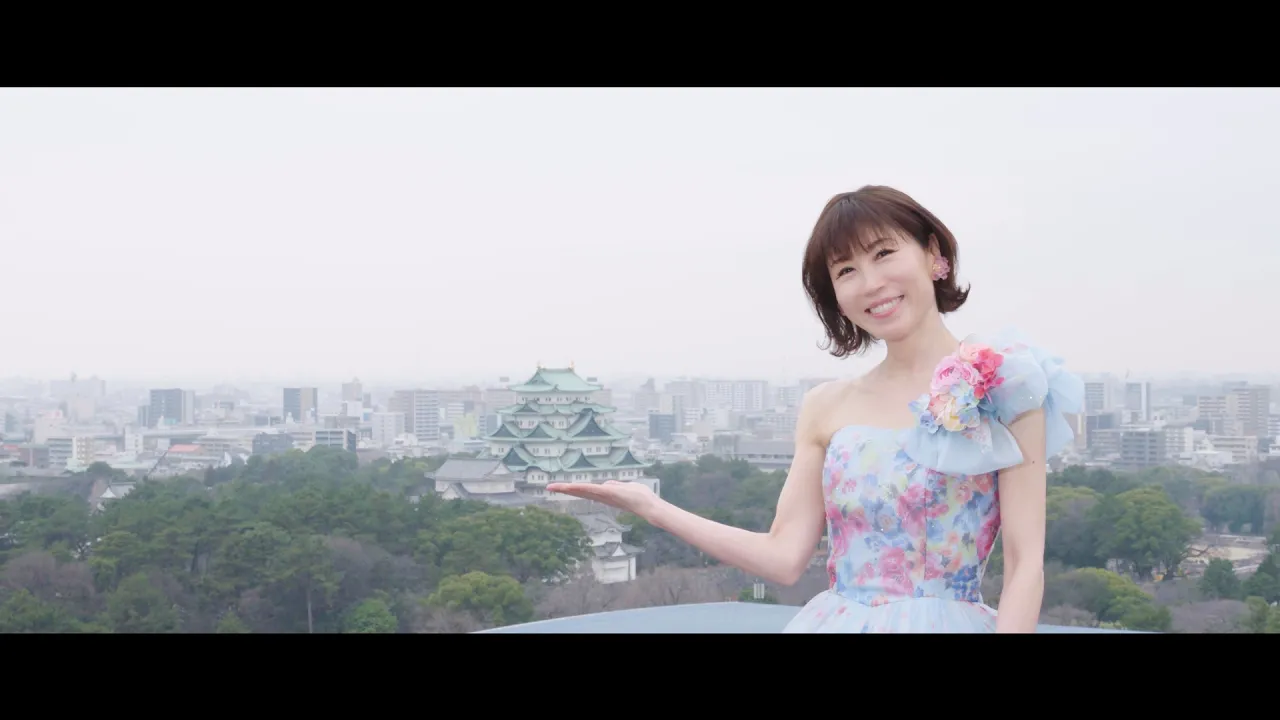
Alone in Nagoya at the end of a loveNEW!Mizumori Kaori

Kaori Mizumori, who continues to enjoy overwhelming support as the queen of local-themed songs, offers a track that, while centered on heartbreak, features a bright, major-key melody that feels refreshing.
It includes a wordplay that links “Owari,” the old provincial name around Nagoya, with the “owari” (end) of a romance, giving the song a certain uplifting clarity amid the sadness.
Why not listen to it while reflecting on past loves?
snow camelliaKobayashi Sachiko

Sachiko Kobayashi has led Japan’s music scene for many years with her overwhelming vocal prowess and her work across a wide range of genres.
In particular, her song “Yuki Tsubaki” has been a beloved classic among many listeners since its 1987 release.
The song centers on the yuki-tsubaki (snow camellia) of Niigata Prefecture, where Kobayashi is from, and it conveys her deep attachment to her roots.
The lyrics portray a woman living with resilience, and Kobayashi’s powerful voice further amplifies the song’s message.
Especially memorable is the depiction of a woman who keeps striving to support her family and loved ones.
Listening to this song can help listeners discover their own inner strength and feel more positive.
It is a track especially recommended for those who keep pushing forward without giving up, no matter the circumstances.
When I turn around, it’s YokohamaSakamoto Fuyumi

With her overwhelming vocal and expressive power, Fuyumi Sakamoto has led Japan’s enka scene since her debut in 1987.
“Furimukeba Yokohama” is a famous song by Marcia, and Sakamoto included a cover version on her 2018 album ENKA III: Shinika (Commemorating the 80th Anniversary of Komasa Inomata’s Birth).
The piece portrays love, parting, and thoughts about the road ahead through the scenery of Yokohama.
Sakamoto’s richly expressive voice and the lyrics of “Furimukeba Yokohama” blend beautifully, creating a song that resonates deeply with listeners.
It is especially recommended for those who have experienced a bittersweet romance or who stand at a turning point in life.
Through this work, Sakamoto looks back on lost love while giving us the courage to face forward and take the next step.
Would you like some Noto?Sakamoto Fuyumi

Since her debut in 1987, Fuyumi Sakamoto has had a profound impact on Japan’s music scene with her unique sensibilities.
Her signature work, “Noto wa Irankaine,” released on May 9, 1990 as her seventh single, features lyrics that celebrate the scenery of the Noto Peninsula.
The song was highly acclaimed upon release, achieved significant commercial success, and was performed at the 41st NHK Kōhaku Uta Gassen.
Sakamoto’s vocals and lyrics convey deep love and respect for the Noto Peninsula, evoking strong nostalgia in listeners.
Whether you’ve visited the Noto Peninsula or not, this song invites you to imagine its beautiful nature and the lives of its people.
A solitary journey to MichinokuYamamoto Jōji

Since his debut in 1974, Joji Yamamoto has released many hit songs, but among them, “Michinoku Hitori Tabi,” released in 1980, was the catalyst for his big break.
The song portrays a story of a bittersweet parting and a powerful love that believes in reunion.
The loneliness of the man and his poignant wishes embedded in the lyrics are sure to strike a deep chord with listeners.
For anyone who has experienced a farewell or wishes to reflect on deep love, this song will hold special meaning.
Joji Yamamoto’s warm voice and the emotionally rich melody deliver a moving experience unlike any other.
Echizen Capekawanaka miyuki

Miyuki Kawanaka is a highly accomplished singer who has brought numerous enka songs to the world.
Her 1980 release “Futarizake” is well known.
Her song “Echizen Misaki,” released on August 5, 1982, is a masterpiece that sings of a poignant love.
In this piece, Kawanaka expresses her profound feelings for a beloved far away with a powerful voice.
The lyrics delicately portray the sorrow of unfulfilled feelings and unwavering love, deeply moving listeners.
It is a recommended song for anyone with a straightforward, earnest love, and a work that showcases Kawanaka’s exceptional expressive power.