

[2026] A Collection of Masterpieces of Enka and Mood Kayō

Enka and mood kayō are often lumped together, but strictly speaking, they’re sometimes treated as different genres, and it’s hard to draw a clear line between them.
There are cases where singers who are active mainly in the enka field perform classic mood kayō songs, and some argue that “mood kayō” is a subgenre within enka.
This time, we’ve compiled standout songs by singers who perform both enka and mood kayō—tracks that fans of either style can enjoy.
We hope young music fans interested in Shōwa-era kayōkyoku will also dive in and enjoy the enchanting world of enka and mood kayō!
- [2026] Representative Famous Enka Songs: A Compilation of Classic Favorites [Beginner-Friendly]
- Nostalgic enka. A collection of classic enka hits from the Showa era.
- [Showa Era] A Collection of Enka Hits: Timeless Classics Loved Across Generations
- A collection of masterpieces! A roundup of enka love songs
- [2026] Recent hit enka songs: must-watch popular kayō tracks
- [2026] Life's Cheering Songs: A Collection of Recommended Enka to Lift Your Spirits
- [2026] A roundup of classic enka masterpieces about siblings
- [2026] A roundup of classic enka and kayōkyoku masterpieces: male-male duets
- [2026] Enka to Listen to in Winter: A Collection of Classic Enka Songs Depicting Snow and Cold
- [2026] A roundup of classic enka songs you'd like to sing at weddings and receptions
- [2026] Amazing If You Can Sing It! Classic Enka Masterpieces [Male Singers Edition]
- [2026] A Collection of Classic Enka Masterpieces Featuring Ships
- [2026] A roundup of female enka singers in their 60s: Artists who support Japanese enka
[2026] Compilation of Enka and Mood Kayō Masterpieces (1–10)
My castle townKoyanagi Rumiko
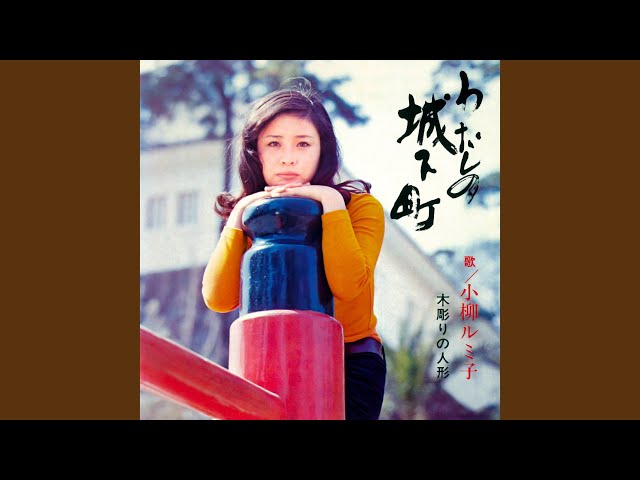
In this installment introducing classic Showa-era hits, we spotlight Rumiko Koyanagi’s blockbuster song.
Marking her memorable debut, this piece was released in April 1971 and is distinguished by its lyrical lyrics that depict the bittersweet feelings of a young woman’s love against the backdrop of an old Japanese castle town.
The evocative imagery, sung over a gentle, Japanese-style ballad melody, leaves a deep impression on listeners.
Also used as a tie-in song for Japanese National Railways’ “Discover Japan” campaign, it topped the Oricon singles chart and stayed at number one for 12 consecutive weeks.
It’s a perfect track for revisiting nostalgic Japanese landscapes and memories of first love.
Traveler of the NorthIshihara Yūjirō

This work, known as the final recording of Yujiro Ishihara—the iconic Shōwa-era actor and singer—beautifully captures the themes of harsh northern winters and loneliness, expressing a heartrending lament for lost love.
Vivid depictions of Hokkaido’s landscapes—Hakodate’s fog and Otaru’s snow—resonate perfectly with the protagonist’s inner feelings, deeply moving listeners.
Released in 1987, the song reached No.
1 on the Oricon Weekly Singles Chart after Ishihara’s passing and achieved an astonishing 1.25 million copies sold.
It’s the world of enka sung by a great star of the Shōwa era—a song you’ll want to savor on a long winter’s night.
Sad SakeMisora Hibari

It’s a classic song known for its wistful melody and lyrics that resonate deeply.
Released in June 1966, this piece is recognized as one of Hibari Misora’s signature songs, and a version featuring spoken lines also gained popularity.
The lyrics, which portray the pain of heartbreak and the strength to overcome life’s hardships, have struck a chord with many and continue to be loved today.
Combined with Misora’s emotionally rich vocal performance, it’s a track that leaves a lasting impression on listeners.
It’s recommended not only for those interested in enka and mood kayō, but also for younger music fans who want to experience the great songs of the Shōwa era.
Take your time to savor the heartfelt vocals and lyrics.
[2026] A Collection of Classic Enka and Mood Kayō Songs (11–20)
Woman of ShinjukuFuji Keiko

Keiko Fuji burst onto the enka scene like a comet, and her debut song is a moving masterpiece that portrays heartbreak and loneliness set against the nightlife of Shinjuku.
The song brilliantly captures both the strength and fragility of its female protagonist, while Fuji’s husky voice grips listeners and won’t let go.
Released in September 1969, the track stayed high on the Oricon charts for an extended period and became a massive hit, selling 880,000 copies.
It even inspired a film of the same name, becoming a social phenomenon.
As the biological mother of Hikaru Utada, Keiko Fuji was an extraordinary singer—this is a quintessential Showa-era classic that younger generations who may not know her should definitely hear.
Ikebukuro at NightAoe Mina

Set against the bustling nightlife districts of Tokyo, this song capturing inner turmoil is known as one of Mina Aoe’s signature works.
Its lyrics, which brilliantly depict the city’s clamor and loneliness, pair exquisitely with her husky vocals.
Released in July 1969, it became a million seller and dominated the Oricon charts at No.
1 for six consecutive weeks, making major waves in the music scene of the time.
That same year, it also became the subject of a Nikkatsu-produced kayō film, creating a powerful synergy between music and imagery.
It’s a recommended track not only for those troubled by love but also for anyone who wants to savor the atmosphere of the city at night.
Beloved to this day as a classic of the Shōwa era, it is enjoyed by fans of both enka and mood kayō.
Yokohama TwilightItsuki Hiroshi

Set in the port city of Yokohama and depicting a bittersweet romantic parting, this song has continued to capture many hearts since its release in March 1971.
Serving as Hiroshi Itsuki’s re-debut track, it reached No.
1 on the Oricon weekly chart and won numerous awards, including the Vocal Performance Award at the 13th Japan Record Awards.
The poignant farewell unfolding in a hotel room at dusk and the protagonist wandering the city with the ache of heartbreak vividly express universal emotions that almost everyone has experienced at least once.
It’s a must-listen not only for fans of enka and mood kayō, but also for younger music listeners interested in Shōwa-era pop songs.
Port Town BluesMori Shinichi

This song, which portrays a poignant love story set in Japan’s port towns, was the third single of Shinichi Mori’s career, released in 1969 (Showa 44).
With lyrics by Takeshi Fukatsu and music by Kosho Inomata, it weaves the names of port towns from around the country into a richly emotional tale of heartbreak and lingering affection for a lost lover.
Coupled with Mori’s powerful, husky voice, it has long been cherished as a melancholic masterpiece that resonates deeply with listeners.
At the 62nd NHK Kohaku Uta Gassen in 2011 (Heisei 23), the song was performed for the first time in 42 years as part of a program supporting recovery from the Great East Japan Earthquake, drawing renewed attention to its enduring appeal.
It’s a track you’ll want to share with someone special as you take in the scenery and sentiments of Japan’s port towns.