

![[2026] A Collection of Masterpieces of Enka and Mood Kayō](https://i.ytimg.com/vi_webp/ZxwgTBjYtOk/maxresdefault.webp)

Enka and mood kayō are often lumped together, but strictly speaking, they’re sometimes treated as different genres, and it’s hard to draw a clear line between them.
There are cases where singers who are active mainly in the enka field perform classic mood kayō songs, and some argue that “mood kayō” is a subgenre within enka.
This time, we’ve compiled standout songs by singers who perform both enka and mood kayō—tracks that fans of either style can enjoy.
We hope young music fans interested in Shōwa-era kayōkyoku will also dive in and enjoy the enchanting world of enka and mood kayō!
- [2026] Representative Famous Enka Songs: A Compilation of Classic Favorites [Beginner-Friendly]
- Nostalgic enka. A collection of classic enka hits from the Showa era.
- [Showa Era] A Collection of Enka Hits: Timeless Classics Loved Across Generations
- A collection of masterpieces! A roundup of enka love songs
- [2026] Recent hit enka songs: must-watch popular kayō tracks
- [2026] Life's Cheering Songs: A Collection of Recommended Enka to Lift Your Spirits
- [2026] A roundup of classic enka masterpieces about siblings
- [2026] A roundup of classic enka and kayōkyoku masterpieces: male-male duets
- [2026] Enka to Listen to in Winter: A Collection of Classic Enka Songs Depicting Snow and Cold
- [2026] A roundup of classic enka songs you'd like to sing at weddings and receptions
- [2026] Amazing If You Can Sing It! Classic Enka Masterpieces [Male Singers Edition]
- [2026] A Collection of Classic Enka Masterpieces Featuring Ships
- [2026] A roundup of female enka singers in their 60s: Artists who support Japanese enka
[2026] Compilation of Enka and Mood Kayō Masterpieces (1–10)
NEGAINEW!Hana MEN gumi

HanaMEN-gumi is an idol group that carries Showa- and Heisei-era kayō pops into the next generation.
Their single “NEGAI,” released in March 2026, sparked a major response, debuting at No.
1 on the Oricon Weekly Enka/Kayō Singles chart.
It’s a kayō ballad about setting off with hope for the future while thinking of a precious someone who has gone away.
Its beautiful harmonies and dramatic sound draw you in just by listening.
A blatant lie and a bouquetNEW!Abe Ritsuko

Ritsuko Abe, a singer who has long reigned in the pop world as the “Queen of Duets,” continues to shine.
Released in March 2026 as the second single commemorating her 55th debut anniversary, this track features a danceable arrangement with a sophisticated, urban vibe.
The lyrics portray the delicate feelings of a woman who can’t quite let go, even as she’s strung along by an unfaithful partner.
Contemporary imagery—like the Tokyo Skytree—helps bring an adult love story into sharp relief.
Ruby of the Starry SkyNEW!umetani kokona
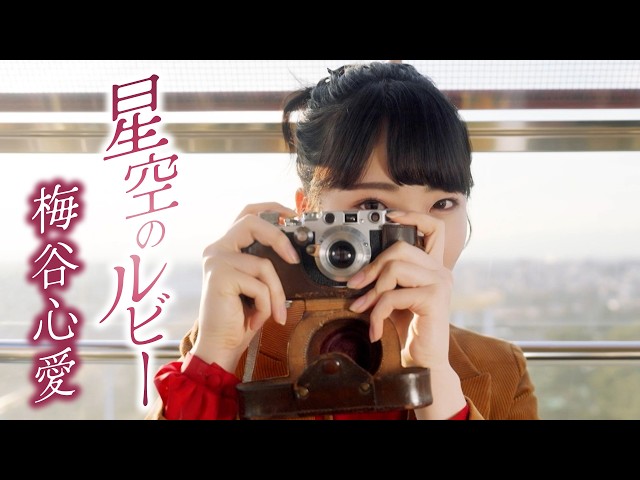
Kokoa Umetani is a talented singer who has drawn attention as a “Showa kayō girl of the Reiwa era” and won the New Artist Award at the 2024 Japan Record Awards.
Released in March 2026 as her third single, this work is a kayōkyoku number with a rich dramatic quality, crafted by an all-star team including Masao Urino and Kohei Sai.
Set against urban scenes like airports and Tokyo Tower, it portrays memories of a pure, passionate love that arrives at the end of youth.
Her clear, translucent voice amplifies the poignancy of the emotions.
It’s a song to savor on nights when you want to sink into a nostalgic mood.
It was rainy again in Nagasaki today.Uchiyamada Hiroshi to Cool Five

The classic song that depicts a heartbreak story set in rainy Nagasaki was the major debut single released by Hiroshi Uchiyamada and the Cool Five in 1969.
With lyrics tinged with sorrow and melancholy and Kiyoshi Maekawa’s distinctive low vocals, the track made a strong impression, entering the Oricon Top 10 about four months after its release and ranking eighth in annual sales.
It became a million seller with cumulative sales of about 1.5 million copies and won the New Artist Award at the 11th Japan Record Awards that same year.
It’s recommended not only for enka and mood kayō fans but also for younger listeners interested in Showa-era pop.
Listen to it on a rainy day, and it will resonate even more deeply.
Woman of the port townhayabusa

This song, with its mood-kayō taste that conjures up scenes of a port town, is included on the album “Original Best 2026,” celebrating the 15th anniversary of the debut of the vocal group Hayabusa.
Released in February 2026, it’s also known for the episode that senior singer Yutaka Yamakawa had handed them a demo more than 13 years earlier.
Its appeal lies in a worldview where the scenery shifts as if traveling from north to south, and in the contrast of the members’ voices.
Take your time and immerse yourself in this mature kayōkyoku.
Wind God and Thunder GodKimura Tetsuji

It’s a work whose unwavering will—“the resolve to set sail toward rough seas”—pierces straight through.
The song is by Tetsuji Kimura and was released in February 2026.
Produced by his older brother, Ryuzo Kimura, this release came in two versions with different B-sides.
Deified motifs, a robust sound, and an overwhelming iron voice leave a strong impression.
It feels as if powerful emotions welling up from the pit of the stomach are carried by that forceful sound.
If you’re someone taking on challenges in everyday life, it’s sure to move you.
Waltz of StarlightSen Masao

This is the signature hit that catapulted Masao Sen, one of the Showa era’s most iconic enka singers, to stardom.
It’s distinguished by a melancholy melody and lyrics that sing of a bittersweet love.
When it was released in March 1966, it reportedly didn’t attract much attention at first, but Sen himself loved the song and promoted it to cable music services nationwide.
Gradually it gained popularity and ultimately became a massive hit, selling over 2.5 million copies.
It’s a must-listen not only for enka fans, but also for younger music listeners interested in Showa-era pop.
And if you sing it at karaoke, it’s sure to be a hit across generations!