

An enka song about the Sea of Japan. A collection of famous songs themed around the great ocean.

Did you know there are many enka songs that sing about the Sea of Japan?
Of course, there are plenty of songs with “Sea of Japan” in the title, and many others where it appears in the lyrics.
The rough waves and the harsh cold of winter—the images associated with the Sea of Japan—fit perfectly with the mood of enka.
In this article, we’ll introduce a selection of classic enka songs that depict the Sea of Japan.
Take your time listening as you imagine the scenery portrayed in each song.
- A roundup of regional enka songs: classic hits that feature places from all across Japan in their lyrics.
- Cool masterpieces of enka, the heart of Japan
- Men’s enka: a collection of classic songs portraying the way men live and their fighting spirit
- Classic enka songs you’ll want to sing at karaoke: recommended popular tracks
- A classic enka masterpiece about one's hometown. A wonderful song that evokes thoughts of home.
- Nostalgic enka. A collection of classic enka hits from the Showa era.
- [For Men] Masterpiece Enka Songs with High Difficulty
- A roundup of male enka singers who represent the Showa era
- [2026] A Collection of Masterpieces of Enka and Mood Kayō
- [Queen of Enka] A Collection of Easy-to-Sing Songs by Sayuri Ishikawa [2026]
- A collection of enka songs with “Blues” in the title: masterpieces that sing of sorrow
- Enka themed around flowers: a collection of songs depicting flowers in full bloom and flowers falling away.
- [For Women] Masterpiece Enka Songs with a High Degree of Difficulty
Enka songs about the Sea of Japan: A collection of classic tracks themed around the vast ocean (11–20)
Migratory Birds of HarimaSakamoto Fuyumi

A travel-tinged song by Fuyumi Sakamoto.
Released in September 2004, it’s set in the Harima region of Hyogo and portrays the lonely feelings of a protagonist who wanders like a migratory bird after leaving their hometown—truly heart-wrenching.
Sakamoto’s powerful voice and intricate vocal inflections, honed through rokyoku narrative singing, deepen the poignancy of the story’s world.
Its popularity is evident from her performance of the song at that year’s NHK Kouhaku Uta Gassen.
Why not immerse yourself in the scenery of Harima and sing it as if you were the protagonist?
Shigure Moon in KinosakiŌe Yutaka
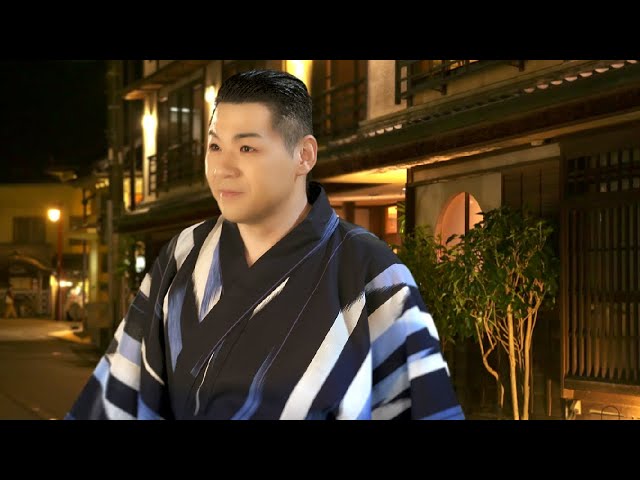
This is a genuine local enka number by Hiroshi Oe that conjures up images of steam rising from hot springs and rows of willow trees.
Released in August 2023 to mark the 15th anniversary of his debut, it is set in Kinosaki Onsen, Hyogo’s famed hot spring town, and portrays a man’s lingering attachment to someone he parted with.
Oe’s rich, resonant kobushi vocal ornamentation further highlights the protagonist’s helpless feelings and stirs the listener’s heart.
The music video—featuring his first attempt at acting in a yukata and expressive facial performance—is also a highlight.
It’s the perfect song for when you want to immerse yourself in the mood of travel, or for nights when you’d like a companion to your sentimental feelings.
Kinosaki Love SongHosokawa Takashi
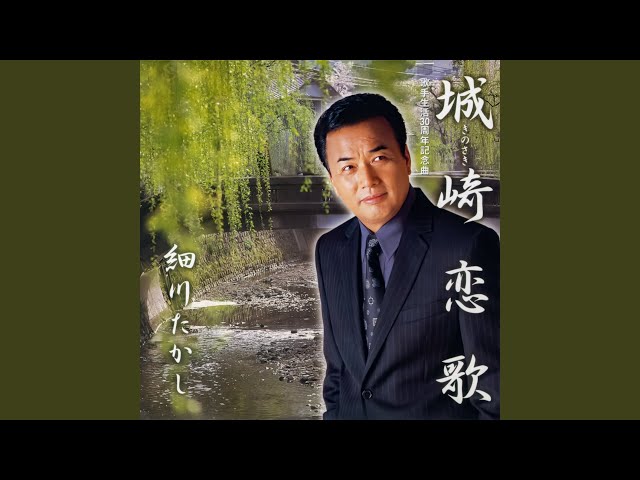
This is a signature ballad by Takashi Hosokawa, marking the milestone of his 30th anniversary as a singer.
Set in Kinosaki Onsen, a famed hot spring in Hyogo Prefecture, it poignantly sings of memories of a lost love fading beyond the steam.
Local words like “straw craft” intertwine with the protagonist’s helpless emotions, gently soaking into the listener’s heart.
Released in January 2005, the song also served as the title track of that year’s album, “Takashi Hosokawa Complete Collection: Kinosaki Koi-uta (Love Song).” A monument to the song stands at the site itself, and it is cherished as a classic that stirs the spirit of travel.
The Wind of a Hundred YearsTerashima Erika

Erika Terashima, a formidable talent who won the national title in the Esashi Oiwake folk song competition in 2003, made her debut as an enka singer with the double A-side single “Hyakunen no Kaze / Ryūhyō Kaidō Okhotsk,” released in August 2025.
This work is a grand historical tableau that sings of the proud spirits of the samurai who forged new frontiers, set against the backdrop of the Battle of Hakodate in her home of Hokkaido.
Her deeply resonant voice, honed through folk music, fits perfectly with Norio Ito’s powerful arrangement.
Its dramatic melody, which sings of hope passed down through time, strikes a profound chord in listeners’ hearts.
Shima PeninsulaToba Ichirō

A locally rooted enka that rises with the scent of the tide and the shimmer of pearl rafts.
Born and raised by the sea, Ichiro Toba’s voice vividly portrays Wagu, Oshima, Maehama Fishing Port, and the “Shiokake Festival,” powerfully conveying pride and human warmth.
The weight of someone from Toba City in Mie Prefecture with experience in deep-sea fishing resonates, letting you feel, almost on your skin, the heat of the port’s labor and festivities.
In some years the event draws around 10,000 visitors, and there is a monument inscribed with the song at Shima Fureai Park.
Released as a single in August 2001, with lyrics by Ryuichi Satomura, composition by Katsuhiko Miki, and arrangement by Masakane Tsuta.
It was included on the October 2001 album “Ichiro Toba: Complete Collection,” and later on the album “Kono Michi.” The B-side is “Daio no Shippu” (Gale of Daio).
It was performed at the 52nd NHK Kohaku Uta Gassen in 2001.
This track is recommended for coastal drives or nights when you’re thinking of your hometown.
Its surging rhythm stirs your memories.
soft, blessed rainShimazu Etsuko

A gem of a song set against the Sea of Japan, tenderly portraying the aching heart that mourns a lost love.
It opens with the image of petal-like waves drifting down, and lyrics woven with place names from Hokuriku—such as Toyama and Kanazawa—seep into the listener’s heart.
The image of rain, symbolized by the word “jiyu” (blessed, gentle rain), is striking as it softly envelopes sorrow.
Etsuko Shimazu’s emotionally rich vocals beautifully express the pain and lingering attachment of heartbreak.
Released in January 2024, this is Shimazu’s 60th single.
Set on the wintery Sea of Japan, it’s a recommended track for those who wish to be close to the grief of losing someone dear.
Enka songs about the Sea of Japan. A collection of classic masterpieces themed around the great ocean (21–30)
The last singer of the Showa eraNitta Akihiro

Set against a nighttime city steeped in the lingering traces and melancholy of the Showa era, this work by Akiya Nitta gives voice to a bittersweet longing.
Released in June 2024, the song is a culmination packed with the passion for life and music of Nitta, now 80.
Through the perspectives of a woman wandering Ginza’s clubs and an unnamed singer with only a guitar, it conveys a yearning for the end of the Showa period.
Depicting days drowned in drink and solitary tears, the piece sings of the passage of time, loneliness, and love.
It will resonate not only with those who lived through Showa, but also introduce younger generations to the allure of Japanese enka.