

An enka song about the Sea of Japan. A collection of famous songs themed around the great ocean.

Did you know there are many enka songs that sing about the Sea of Japan?
Of course, there are plenty of songs with “Sea of Japan” in the title, and many others where it appears in the lyrics.
The rough waves and the harsh cold of winter—the images associated with the Sea of Japan—fit perfectly with the mood of enka.
In this article, we’ll introduce a selection of classic enka songs that depict the Sea of Japan.
Take your time listening as you imagine the scenery portrayed in each song.
- A roundup of regional enka songs: classic hits that feature places from all across Japan in their lyrics.
- Cool masterpieces of enka, the heart of Japan
- Men’s enka: a collection of classic songs portraying the way men live and their fighting spirit
- Classic enka songs you’ll want to sing at karaoke: recommended popular tracks
- A classic enka masterpiece about one's hometown. A wonderful song that evokes thoughts of home.
- Nostalgic enka. A collection of classic enka hits from the Showa era.
- [For Men] Masterpiece Enka Songs with High Difficulty
- A roundup of male enka singers who represent the Showa era
- [2026] A Collection of Masterpieces of Enka and Mood Kayō
- [Queen of Enka] A Collection of Easy-to-Sing Songs by Sayuri Ishikawa [2026]
- A collection of enka songs with “Blues” in the title: masterpieces that sing of sorrow
- Enka themed around flowers: a collection of songs depicting flowers in full bloom and flowers falling away.
- [For Women] Masterpiece Enka Songs with a High Degree of Difficulty
Enka songs about the Sea of Japan. A collection of classic masterpieces themed around the great ocean (21–30)
Igossō CurrentShiina Sachiko

A moving new song has arrived, depicting the blessings of the sea and the lives of fishermen.
Released by Sachiko Shiina in April 2024, this piece pulses with the soul of powerful enka.
The lyrics vividly evoke seaside scenes from around Japan—places like Sanriku and Tosa—while portraying the daily routines of fishermen.
It’s striking how real-to-life images are woven throughout, from rowing through the waves to the joy of a big catch.
You can also feel their love for their families and gratitude toward the sea.
Shiina’s emotionally rich vocals further illuminate the fishermen’s way of life.
It’s the perfect song for moments when you want to breathe in the scent of the sea and reflect on someone dear.
The Crows of TsukubaMinami Haruo

This is a local song set in Ibaraki by Haruo Minami, known as a nationally beloved singer.
The emotionally rich “kayō-rōkyoku” style, unique to a rōkyoku balladeer, vividly portrays the scenery of Tsukuba and the human warmth that resides there.
The word “aho-garasu” (foolish crow) that appears in the lyrics likely symbolizes the protagonist’s helpless feelings and homesickness as he travels far from home.
Listening to Minami’s powerful yet gentle voice, you can almost see the sun setting over the banks of the Tone River and the scenes of Morokawa-juku.
It’s a deeply moving song filled with the spirit of Ibaraki and the bittersweet longing for one’s hometown.
Ah, Mito RōshiKitajima Saburō
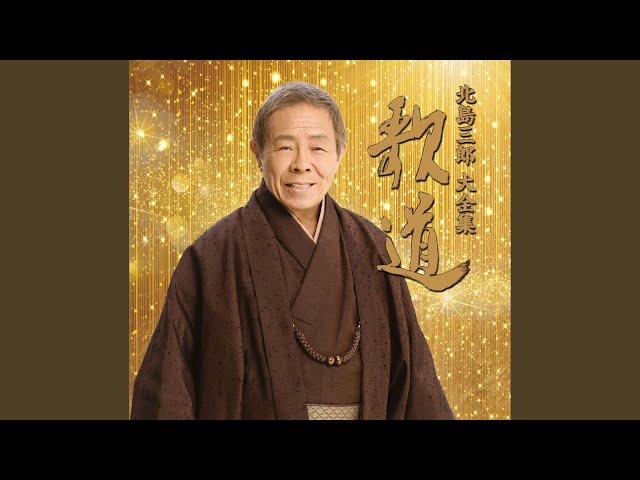
This is a celebrated song that sings of Mito’s history, delivered with the soul-stirring voice of Saburo Kitajima, a giant of the enka world.
The piece takes the late-Edo “Tengu Party Rebellion” as its theme, depicting the grim resolve and pride of the Mito loyalists who rose out of concern for their country.
Kitajima’s powerful yet heartrending vocals feel as if the spirits of those warriors have possessed him.
Listening to his voice, you can vividly picture their arduous journey toward snowy Tsuruga and the fiery convictions they held close to their hearts.
Created to commemorate the sister-city partnership with Tsuruga City in Fukui Prefecture, this song profoundly conveys the spirit of righteousness that lives on in Ibaraki’s history.
It is a weighty work that will captivate anyone who loves historical narratives and refuse to let go.
Matsuyama AirportHikawa Kiyoshi

Kiyoshi Hikawa, who shines beyond the boundaries of traditional enka, delivers a lyrical enka piece with Matsuyama Airport, set at the gateway to Ehime.
Carried by a wistful melody, the song portrays the protagonist’s aching feelings as they head to Matsuyama on the last flight from Haneda.
The emotionally rich lyrics seem to weave together lingering attachment to a love that ended in the city and a deep nostalgia for home.
Hikawa’s delicate, expressive vocals vividly depict both the Seto Inland Sea’s nightscape and the protagonist’s wavering heart.
It’s a song that gently embraces not only those from Ehime, but anyone living away from their hometown.
Sada Misaki (Cape Sada)Toba Ichirō

A powerful paean to Sada Misaki in Ehime Prefecture by Ichiro Toba, a “man of the sea” with a background as a former fisherman.
The image of fishermen pursuing their dreams in the harsh Bungo Channel is vividly portrayed through Toba’s soul-stirring vocals.
It seems to boldly proclaim that the pride of those who live at Japan’s westernmost edge is so noble that even Mount Fuji, the nation’s highest peak, would pay it respect.
This song will set the hearts of all who love their hometowns ablaze—not only those connected to Ehime.
A masterpiece infused with the majestic scenery of Sada Misaki and the indomitable spirit of the people who live there.
Oga PeninsulaKitayama Takeshi
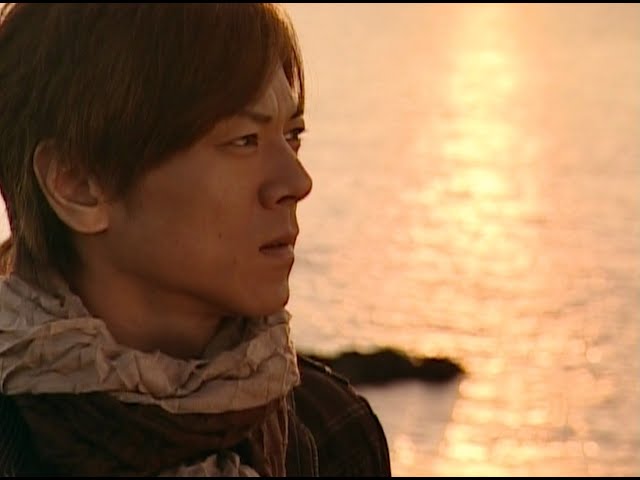
Set against the majestic nature of Akita Prefecture, this is one of Takeshi Kitayama’s signature songs, powerfully singing of a man’s romance and resolve.
It portrays a protagonist who, even without words, burns with a hidden passion, facing harsh nature head-on while keeping his eyes fixed on the future.
With lyrics that vividly paint the scene and a grand, expansive melody that moves the listener, it is a quintessential example of classic enka.
Released as a single in August 2007, Kitayama performed it passionately on that year’s NHK Kōhaku Uta Gassen.
The coupling track Yume Ichizu is also known for being chosen as the theme song for the TV Asahi period drama Ronin Tsukikage Hyōgo.
This work will likely resonate with those attempting a new challenge or quietly nurturing a fighting spirit in solitude.
The Great Cedar of SugiMiyama Hiroshi

This song was performed by Hiroshi Miyama, the “Vitamin Voice” born in Kochi, as a heartfelt tribute to his hometown.
Composed by his mentor, Masamasa Nakamura, it’s a grand life-themed enka inspired by the three-thousand-year-old ‘Great Cedar of Sugi’ towering over his local town of Ōtoyo.
The anecdote that Miyama himself piloted a drone to film the music video also speaks volumes about his extraordinary love for his hometown.
He overlays his own life onto the great cedar that has “withstood blizzards, storms, and drought,” and vows to show a “proud, shining figure” to someone dear to him.
That straightforward resolve blends perfectly with Miyama’s warm vocals, gently infusing listeners with the strength to face tomorrow.