

Great enka masterpieces and hit songs of the 1990s

Timeless enka masterpieces that warm the heart with nostalgia.
In particular, the 1990s were a golden era, producing a rich variety of works—from down-to-earth, warm-voiced male enka singers to emotionally charged songs inspired by the motif of the traveling vagabond—with strong popularity among young women as well.
Enka, cherished across generations, continues to resonate deeply with the Japanese spirit and has the power to evoke shared feelings beyond the bounds of time.
Why not revisit those days and immerse yourself with me in the world of exquisite enka that seeps into the soul?
- Great enka masterpieces and hit songs of the 1980s
- Cool masterpieces of enka, the heart of Japan
- Classic enka songs you’ll want to sing at karaoke: recommended popular tracks
- Nostalgic enka. A collection of classic enka hits from the Showa era.
- [2026] Representative Famous Enka Songs: A Compilation of Classic Favorites [Beginner-Friendly]
- Enka Singer Popularity Ranking in Karaoke [2026]
- [2026] Life's Cheering Songs: A Collection of Recommended Enka to Lift Your Spirits
- Great enka masterpieces and hit songs of the 2000s
- A roundup of hit enka songs from the Heisei era
- Enka Karaoke Popularity Rankings [2026]
- A roundup of leading female enka singers representing the Showa era
- Great enka masterpieces and hit songs of the 1970s
- [2026] A roundup of female enka singers in their 60s: Artists who support Japanese enka
Great Enka Classics and Hit Songs of the 1990s (21–30)
Enka BoatToba Ichirō

Enkasen is a single by Ichiro Toba released by Nippon Crown in [year].
He appeared on NHK’s Kōhaku Uta Gassen with this song.
It’s a track that conveys the masculine spirit of Ichiro Toba, who bears the catchphrase “a man who suits the scent of the sea.”
cherry blossoms at nightYamakawa Yutaka

“Yozakura” is the 13th single by Yutaka Yamakawa, released in 1992 by Toshiba Records.
With this song, he performed at the NHK Kōhaku Uta Gassen.
The lyrics express affection for a woman who relies on him.
Yutaka Yamakawa is the older brother of Ichirō Toba.
Great Enka Masterpieces and Hits of the 1990s (31–40)
drinking aloneGodai Natsuko

Amid the alluring, sensual elegance that exudes feminine charm, Natsuko Godai’s voice—harboring quiet strength—resonates deeply in this song.
It portrays a woman drinking alone, yet what lies beneath is surely more than mere loneliness.
You can picture the protagonist standing with dignity as she faces her solitude.
Released in January 1994, the single became a long-selling hit with over 300,000 copies sold and won the Cable Broadcast Grand Prize.
The track was also included in the video collection “Enka no Hanamichi: Natsuko Godai” and was widely loved through popular music programs of the time.
Some listeners may find their hearts stirred as they see their own experiences reflected in the strength that shines through the sadness.
Shadow (kagebōshi)Horiuchi Takao

A bittersweet yet warm song that feels like gently speaking to one’s own shadow.
Takao Horiuchi—also known for his work with Alice—delivers one of the defining ballads of the 1990s.
Released in April 1993, this piece became a household favorite as the theme song for the popular TV drama “Hagure Keiji Junjō-ha,” and went on to win the Grand Prize at the 24th Japan Music Awards the same year.
The lyrics depict a man, drink in hand, addressing his own shadow as he grapples with an unpayable debt of emotion toward a past lover.
His helplessness and loneliness are powerfully conveyed through Horiuchi’s warm yet wistful vocals, deeply moving listeners.
It’s the kind of song that, when played on a quiet night of looking back on the past, may make you empathize with the protagonist’s pain—and perhaps loosen your tear ducts.
Mother of NaniwaNatsuki Ayako
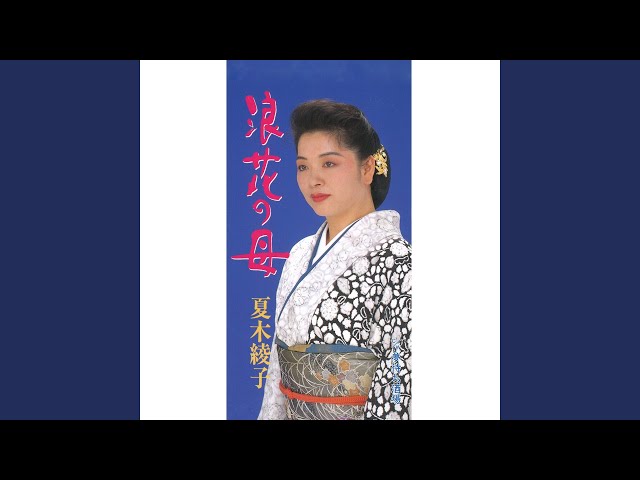
From mother to daughter, this is a soul-stirring anthem passed down through generations.
Released in July 1993, Ayako Natsuki’s debut sold around 200,000 copies and won the Diamond Hit Award.
A mother who, despite poverty, steadfastly raised her daughter—her powerful lessons and deep love are sung over an emotionally rich melody.
You can almost picture the protagonist savoring her mother’s words, and as you listen, you may find yourself thinking of your own family and feeling a swell of emotion.
Included as well on the 25th-anniversary edition “Yukimai Zakura / Naniwa no Haha ~25th Anniversary Version~,” this song continues to be cherished today.
It’s the kind of piece that suddenly makes you long for the face of a loved one waiting back home.
Love Song of SadoHosokawa Takashi

This is a signature song by Takashi Hosokawa, renowned for his overwhelming vocal power honed through folk music.
Released in December 1991 as his 39th single, it won the Oricon Long Seller Award and was performed at the NHK Kōhaku Uta Gassen the following year.
The song is set on Sado Island, expressing a deepening longing for a lover across the sea, sung with rich emotion.
Though so close, they remain out of reach—an aching frustration.
You can almost see the protagonist projecting their helpless feelings of love onto the waves crashing against the rugged shore and the birds flying across the sky.
Hosokawa’s own lyricism, brimming with poetic sensibility, blends beautifully with the folk-inspired phrasing inherited from his mentor, moving listeners to the core.
It’s a song that draws you into its bittersweet world—perfect for moments of travel-inspired reverie or nights when you’re thinking of someone far away.
Purple Rain SentimentFuji Ayako

This is one of Aya Koji’s signature songs, in which the quiet sorrow hidden behind a firm resolve—“I will follow you anywhere”—strikes the heart.
The lyrics overlay the fate shared with a loved one onto a rain-drenched scene shrouded in purple, seeping deeply into the listener’s soul.
Even while knowing the love can never be fulfilled, the single-minded determination to see it through carries not only sadness but a dignified beauty.
Released in April 1993, the piece reached No.
8 on the Oricon charts and won the Japan Lyrics Award, becoming one of the defining songs of that year’s music scene.
Her lustrous voice further heightens the distinctly Japanese emotional tone of the song.
Listen to it on a rainy day and you may be drawn into its world, as long-forgotten, bittersweet memories return.