

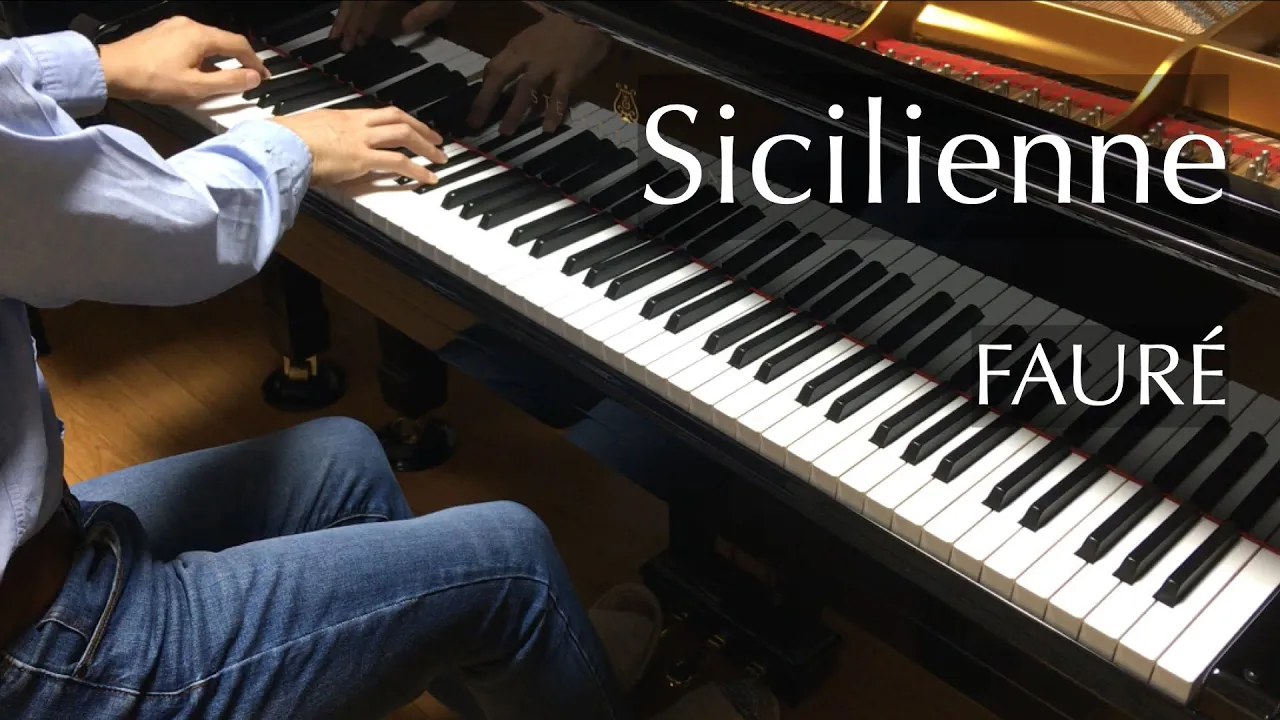

Gabriel Fauré, the French composer who influenced many others during the 19th and 20th centuries when new forms of music were emerging.
While he was influenced by the many new styles published by his contemporaries, he did not become absorbed by them; instead, he developed his own voice with an exquisite sense of balance.
His works convey a serene purity rather than showiness.
Fauré’s famous and representative pieces span a wide range—from orchestral works to chamber music, piano pieces, and songs.
Please enjoy the beautiful melodies and harmonies that could only have come from Fauré.
- Gabriel Fauré Popular Songs Ranking [2026]
- [Masterpiece Classics] A special showcase of gem-like masterpieces so beautiful they’ll move you to tears
- Timelessly beautiful classical masterpieces. Recommended classical music.
- [Violin] A curated selection of beloved classic masterpieces and popular pieces that continue to be cherished across eras
- Brahms's masterpieces. Popular classical music.
- A masterpiece by Franck. Popular classical music.
- Cello Masterpieces: A comprehensive introduction to exquisite classical works that let you savor its profound timbre
- Rachmaninoff’s masterpieces. Recommended pieces by Rachmaninoff.
- A poignant classic masterpiece. Recommended classical music.
- Mendelssohn’s Masterpieces | Popular Classical Music
- Introducing Maurice Ravel’s Famous and Representative Works
- Debussy’s masterpiece. Popular classical music.
- François Couperin Popular Songs Ranking [2026]
Gabriel Fauré | Introduction to His Famous and Representative Works (1–10)
Suite ‘Pelléas et Mélisande,’ Op. 80Gabriel Fauré

The Suite “Pelléas et Mélisande,” Op.
80 was composed in 1898 as incidental music for the stage.
Consisting of four movements, it is distinguished by graceful, refined melodies and harmonies.
Closely tied to the characters and scenes of the story, it depicts the intertwining of love, tragedy, and fate.
In particular, the third movement, “Sicilienne,” with its lively yet slightly wistful melody, hints at Mélisande’s beautiful but fragile destiny and has remained in the hearts of many.
Fauré’s music incorporates innovative harmonies within a calm, lyrical idiom, securing an important place in the history of French music.
Strongly influenced by Symbolism, the work’s appeal lies in Fauré’s distinctive sonority—dramatic yet suffused with lyricism.
Sicilienne, Op. 78Gabriel Fauré

Composed in 1893, this work is characterized by a flowing style based on the dance form known as the Siciliana.
Its gently unfolding melody, paired with the piano’s concise yet expressive accompaniment, creates a pastoral beauty.
The structure—moving through a dynamic middle section before returning to tranquility—is also compelling.
Arranged for cello and piano in 1898, it has since been adapted for various instruments, earning the affection of many musicians and audiences.
It’s a recommended piece for those who wish to savor Fauré’s characteristic serene sonorities and poignant expressiveness.
Song cycle “Three Songs,” Op. 7: No. 1, “Après un rêve”Gabriel Fauré

The first piece of Gabriel Fauré’s song cycle Three Songs, Op.
7, “Après un rêve,” is performed on a variety of instruments such as piano, cello, violin, and flute.
It depicts a man who, after spending a dreamlike time with a beautiful woman, awakens and mournfully pleads, “Give me back that beautiful woman.” Its heartrending melody, as if echoing the man’s lament, pairs perfectly with the piano’s timbre.
While bringing the melody to the fore, it’s best not to rely solely on its beauty; aim to convey the surges of emotion clearly in the accompaniment as well.

Pavane, Op. 50Gabriel Fauré

Pavane, Op.
50, regarded as one of Gabriel Fauré’s signature works, was originally composed as an orchestral piece.
A choral part was added the following year, and Fauré himself later arranged and performed a piano version.
It is also known for its compatibility with various genres, with covers such as one by the British vocal group Il Divo.
In the piano version, you can enjoy a delicate sonority that offers a slightly different nuance from the sacred atmosphere of the original.
Requiem, Op. 48Gabriel Fauré

Gabriel Fauré’s masterpiece Requiem was premiered in 1888 at the Church of La Madeleine in Paris.
Distinguished by its unique perspective that views death not as terror but as peace, the work omits the Dies irae and is structured around gentle movements such as the Pie Jesu and In Paradisum.
Scored primarily for instruments with a soft timbre, it exudes a serene, lyrical atmosphere.
Interweaving mystery with human consolation, this work is recommended not only for those interested in sacred music but also for anyone seeking peace of mind.
Clair de Lune, Op. 46-2Gabriel Fauré

Composed in 1887, this art song is based on a poem by Paul Verlaine.
It features delicate melody and harmony, depicting a dreamlike masquerade under moonlight.
Despite its quietness, it carries deep emotion and leaves a gentle afterglow in the listener’s heart.
It’s recommended for those who wish to explore Fauré’s musical world or are seeking a calm and beautiful song.
Debussy’s famous “Clair de Lune” is also based on a poem by Paul Verlaine, so it’s worth listening to both works and comparing them.
Fantasia, Op. 79Gabriel Urbain Fauré
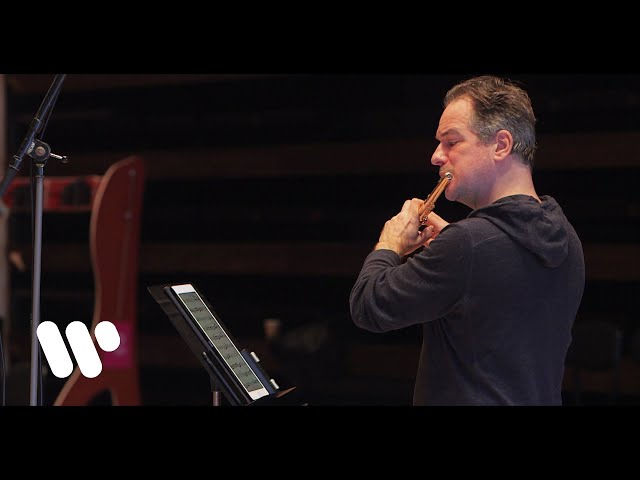
Gabriel Fauré, who opened the door to French modern music.
This work for flute and piano, which he composed as a test piece for the Paris Conservatoire, is widely loved as a masterpiece where a dreamlike melody in the first half coexists with dazzling virtuosity in the second.
The beauty with which the flute sings like a vocalist without words captivates listeners.
The piece was unveiled at a competition in July 1898 and became known to the world through the performance of the student who won first prize.
Its melody was also reused in the incidental music to Pelléas et Mélisande, and the work is known for its close ties to the stage.
When you want to savor the flute’s rich expressiveness and refined sonority to the fullest, be sure to give it a listen.