

[For Seniors] February Songs You’ll Want to Hum: Enjoy Winter with Nostalgic Classics


February is a season when, even in the harsh cold, you can sense the approach of spring.
If you’re enjoying music with seniors, why not choose songs that are perfect for this time of year? We’ve gathered classics ideal for February, such as enka that evokes snowy landscapes, children’s songs depicting winter scenes, and love songs tied to Valentine’s Day.
Listening to familiar melodies may bring back nostalgic scenes.
Spending unhurried time together—chatting about old memories with those around you—will surely warm the heart.
These are all great songs for recreation, so please use them as a reference.
- [For Seniors] Winter songs you'll want to hum along to. A collection of classic tunes recommended for BGM and recreational activities
- [For Seniors] Songs Everyone Can Sing Together! A Roundup of Recommended Crowd-Pleasers
- Recommended for people in their 70s! A curated selection of Japanese songs to listen to and sing during the cold winter
- [For Seniors] Winter Classics to Sing in January: Heartwarming Moments with Nostalgic Children’s Songs and Kayōkyoku (Japanese Popular Songs)
- [For Seniors] Songs to Hum in March: Heartwarming Moments with Nostalgic Classics that Evoke Spring
- [February Songs] Introducing children's songs, folk songs, nursery rhymes, and hand-play songs about Setsubun and winter!
- [For Seniors] Winter Haiku: Introducing Beautiful Masterpieces by Famous Haiku Poets
- [For Seniors] Beloved songs to sing in December: heartwarming moments with nostalgic kayōkyoku and children’s songs
- Timeless songs you’ll want to listen to in February: winter songs and Valentine’s songs.
- Ranking of popular songs for senior citizens
- For Seniors: Wall Decorations to Brighten Up February — Festive Ideas for Setsubun, Valentine’s Day, Plum Blossoms, and More
- [Sing for your health!] Popular songs among seniors. Also recommended for recreational activities.
- [1980s J-Pop] Popular winter songs: from chart-toppers to hidden gems!
[For Seniors] Songs for February You'll Want to Hum: Enjoy Winter with Nostalgic Classics (11–20)
Forever with youKayama Yūzō

Shall we all enjoy Yuzo Kayama’s wonderful song together? Centered on the theme of eternal love, it beautifully expresses the unchanging feelings between lovers in elegant Japanese.
Released in December 1965, it has been cherished by many.
It was also used as the theme song for the film “Young Guy with an Electric Guitar,” gaining nationwide popularity.
How about singing it while reminiscing about the past in a relaxed moment? You’ll spend a lovely time that warms the heart.
From the northern innMiyako Harumi

Kita no Yado kara, which sings of a woman’s bittersweet love set in a despair so deep that no ray of hope seems in sight, is a signature song by Harumi Miyako that achieved million-seller status.
The lyrics are such a mass of sadness, emptiness, and frustration that you might think many people came to associate winter with loneliness because of this song.
Reading the poem alone could sink you deeper into gloom, yet when it merges with Miyako’s powerful voice, it somehow conveys the strength of a woman who holds her ground despite hardship—a curious and compelling transformation.

Goodbyeofukōsu
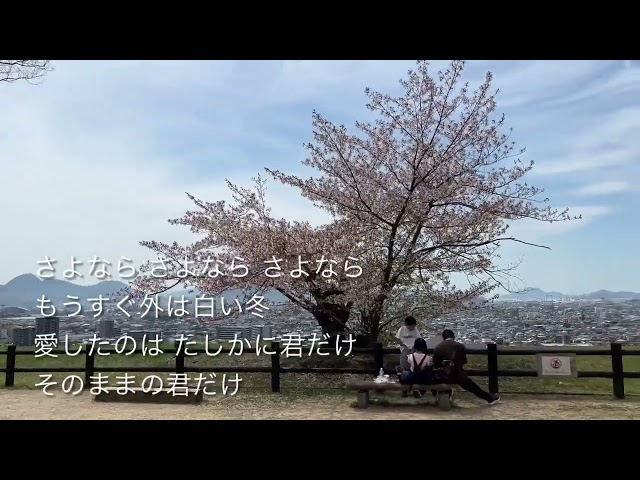
Released in 1979, this song is a cold, heartrending farewell that evokes the chill of winter.
Written and composed by Kazumasa Oda of Off Course, it delicately portrays the quiet acceptance of parting.
In the scene where the narrator says goodbye to a lover, you can feel the resolve to say “goodbye” even while holding back their feelings for the other person.
Its beautiful melody and clear, pure vocals deeply resonate with listeners.
For older adults as well, it’s a song that may feel nostalgic, bringing back memories of their youth.
On a leisurely winter afternoon, why not spend some time in a warm room listening to this song and reminiscing about the past?
Come, spring.Matsutōya Yumi

Created as the theme song for an NHK morning drama, this piece is a gentle, hope-filled song.
Through springlike scenes such as winter daphne and sudden showers, it poignantly sings of parting from a loved one and the wish to meet again.
Yumi Matsutoya’s warm voice resonates deeply in the heart, stirring fond memories.
Released in October 1994, the song topped the Oricon chart and became a major hit, selling over 1.16 million copies.
It’s a perfect song to sing together with seniors while sharing nostalgic stories.
Bean-throwing (Mamemaki)

When you listen to this song, it brings back memories of bean-throwing at daycare or kindergarten, doesn’t it? “Mamemaki” is a song that was published in the early Showa period in a collection of children’s songs called Ehon Shoka.
The lyrics even include the pattering sound of beans falling to the ground, and just by listening you can picture the children earnestly throwing beans at the ogre, which warms your heart.
There are other songs themed around Setsubun and ogres, but many people would probably say that this one just feels the most right!
campfire

Even though Setsubun marks the beginning of spring, February still brings many cold days in reality.
Rather than feeling “Spring is here!”, many of us may feel, just like in the song Takibi, that “the wind is still chilly, and I’d like to warm myself by a bonfire.” Since its debut on NHK’s radio program Children’s Hour in 1941, this song has long been cherished as a winter tune.
Even in the harsh cold of winter, hearing it conjures up the orange glow of a bonfire and warms the heart.
[For Seniors] February Songs You'll Want to Hum: Enjoy Winter with Nostalgic Classics (21–30)
Realm of the StarsSakushi: Sugitani Daikai / Sakkyoku: Chaaruzu Konvâzu

A timeless classic that makes you want to gaze up at the winter night sky, “Hoshi no Yo.” It’s a Ministry of Education song included in the 1910 publication Kyōka Tōgō Chūgaku Shōka, Volume II.
The lyrics were written by Shigeya Sugiya, and it was set to the melody of the hymn “What a Friend We Have in Jesus,” composed by Charles Converse.
The lyrics, which highlight the brilliance of stars made all the more striking by a moonless, dark sky and send our thoughts out to the distant reaches of the universe, invite us into a mysterious world filled with romance.
For many, the gentle melody brings peace along with nostalgic memories of learning it at school.
Its familiar tune is also perfect for group sing-alongs during recreational time, so why not enjoy it on a winter night when the stars are especially clear, sharing stories as you sing?