

[For Seniors] February Songs You’ll Want to Hum: Enjoy Winter with Nostalgic Classics

February is a season when, even in the harsh cold, you can sense the approach of spring.
If you’re enjoying music with seniors, why not choose songs that are perfect for this time of year? We’ve gathered classics ideal for February, such as enka that evokes snowy landscapes, children’s songs depicting winter scenes, and love songs tied to Valentine’s Day.
Listening to familiar melodies may bring back nostalgic scenes.
Spending unhurried time together—chatting about old memories with those around you—will surely warm the heart.
These are all great songs for recreation, so please use them as a reference.
- [For Seniors] Winter songs you'll want to hum along to. A collection of classic tunes recommended for BGM and recreational activities
- [For Seniors] Songs Everyone Can Sing Together! A Roundup of Recommended Crowd-Pleasers
- Recommended for people in their 70s! A curated selection of Japanese songs to listen to and sing during the cold winter
- [For Seniors] Winter Classics to Sing in January: Heartwarming Moments with Nostalgic Children’s Songs and Kayōkyoku (Japanese Popular Songs)
- [For Seniors] Songs to Hum in March: Heartwarming Moments with Nostalgic Classics that Evoke Spring
- [February Songs] Introducing children's songs, folk songs, nursery rhymes, and hand-play songs about Setsubun and winter!
- [For Seniors] Winter Haiku: Introducing Beautiful Masterpieces by Famous Haiku Poets
- [For Seniors] Beloved songs to sing in December: heartwarming moments with nostalgic kayōkyoku and children’s songs
- Timeless songs you’ll want to listen to in February: winter songs and Valentine’s songs.
- Ranking of popular songs for senior citizens
- For Seniors: Wall Decorations to Brighten Up February — Festive Ideas for Setsubun, Valentine’s Day, Plum Blossoms, and More
- [Sing for your health!] Popular songs among seniors. Also recommended for recreational activities.
- [1980s J-Pop] Popular winter songs: from chart-toppers to hidden gems!
[For Seniors] February Songs You'll Want to Hum Along To: Enjoy Winter with Nostalgic Classics (41–50)
In a town where snow fallsTakayoshio

Singing a song that brings back memories of your youth will liven up the atmosphere and spark lots of reminiscing.
One I highly recommend is “Yuki no Furu Machi o” (“In the Snowy Town”).
It was released in 1951 by Hideo Takayama, and its beautiful yet fleeting melody is still loved by many today.
Many people may also remember the cover by the choral group Dark Ducks.
Using that version as a reference and singing it together as a chorus is a great idea, too.

Bear Cub in February

“Little Bear in February” is a song for elementary school children that is also included in elementary music textbooks.
The little bear in the song is named Pooh.
The piece is composed so that it’s easy to perform in chorus or ensemble, resulting in a very simple, folksy children’s song.
The way the little bear pops in and out of its den because it can’t wait to play outside is just like human children itching to play in the park or the yard! It makes the arrival of spring feel even more exciting.

Come, spring

This is a heartwarming song that captures the adorable way children eagerly await the spring thaw.
The Mi-chan who appears in the lyrics is said to be modeled after the actual child of the lyricist, the literary figure Gofu Soma.
Anyone who has raised children has surely experienced being begged to go outside once their child could walk freely.
Listening to “Yuki” might prompt someone to say, “When my child was still little…” and share fond memories of the past.
Perhaps children’s songs and school songs serve as switches that let our hearts and memories time-travel!
Momotaro

Momotaro is a Japanese folktale and children’s song known by everyone.
Since it was included in the 1911 music textbook “Jinjō Shōgaku Shōka: For First Grade,” it has been loved by many children.
The song depicts Momotaro’s courage, sense of justice, and responsibility as he heads to Onigashima to vanquish the ogres, accompanied by a dog, a monkey, and a pheasant.
Folktales like Momotaro are also hugely popular in recreational kamishibai picture-card shows.
Surprisingly, not many people remember all the lyrics up to verse six, so it might be nice to sing together while looking back on the story.
Ballad of the Rainbow and SnowTo wa e mo wa
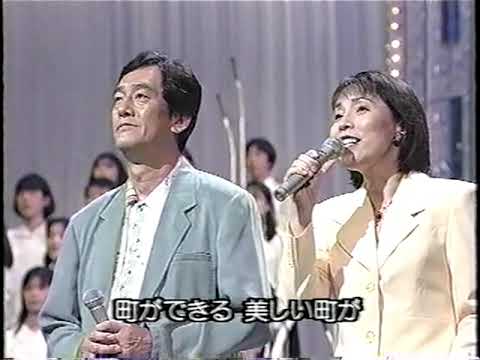
The folk duo Toi et Moi’s “Ballad of Rainbows and Snow” was created as the theme song for the 1972 Sapporo Winter Olympics.
Some older people may still vividly remember the Sapporo Olympics.
According to NHK staff, they asked Bunichiro Kawamura, a professor at Sapporo Medical University who wrote the lyrics, to craft “a song that would continue to be sung after the Olympics, that anyone could easily hum, and that would convey the spirit of Sapporo’s citizens,” and this is the piece that resulted.
It’s a song that evokes Sapporo’s beautiful winter scenery and the resilience of people living through the harsh cold.
Yearning for youFuranku Nagai

Composed in 1922, the original version of Kimi Koishi exudes an adult atmosphere with its moody sound and sultry vocals.
Later, in 1961, mood kayō singer Frank Nagai covered the song, sparking a revival hit.
Kimi Koishi portrays someone crushed by loneliness as they recall days spent with a lover who has gone away.
For some listeners, hearing this song may bring back memories of youthful romance—perhaps even leading to a lively conversation about days gone by.
snowflowerGodai Natsuko

Set against the snowy Echizen Cape, this song portrays a snowflower blooming with dignity amid harsh nature.
The lyrics, expressing gratitude to a mother and a vow to one’s hometown, truly resonate.
Natsuko Godai’s emotionally rich voice deepens the song’s world.
Released in April 1992, it struck a chord with many people.
It gives you the courage to face forward even in tough circumstances.
Why not listen to it with older adults and talk about life and family? Warm memories may come flooding back.