

[For Seniors] February Songs You’ll Want to Hum: Enjoy Winter with Nostalgic Classics


February is a season when, even in the harsh cold, you can sense the approach of spring.
If you’re enjoying music with seniors, why not choose songs that are perfect for this time of year? We’ve gathered classics ideal for February, such as enka that evokes snowy landscapes, children’s songs depicting winter scenes, and love songs tied to Valentine’s Day.
Listening to familiar melodies may bring back nostalgic scenes.
Spending unhurried time together—chatting about old memories with those around you—will surely warm the heart.
These are all great songs for recreation, so please use them as a reference.
- [For Seniors] Winter songs you'll want to hum along to. A collection of classic tunes recommended for BGM and recreational activities
- [For Seniors] Songs Everyone Can Sing Together! A Roundup of Recommended Crowd-Pleasers
- Recommended for people in their 70s! A curated selection of Japanese songs to listen to and sing during the cold winter
- [For Seniors] Winter Classics to Sing in January: Heartwarming Moments with Nostalgic Children’s Songs and Kayōkyoku (Japanese Popular Songs)
- [For Seniors] Songs to Hum in March: Heartwarming Moments with Nostalgic Classics that Evoke Spring
- [February Songs] Introducing children's songs, folk songs, nursery rhymes, and hand-play songs about Setsubun and winter!
- [For Seniors] Winter Haiku: Introducing Beautiful Masterpieces by Famous Haiku Poets
- [For Seniors] Beloved songs to sing in December: heartwarming moments with nostalgic kayōkyoku and children’s songs
- Timeless songs you’ll want to listen to in February: winter songs and Valentine’s songs.
- Ranking of popular songs for senior citizens
- For Seniors: Wall Decorations to Brighten Up February — Festive Ideas for Setsubun, Valentine’s Day, Plum Blossoms, and More
- [Sing for your health!] Popular songs among seniors. Also recommended for recreational activities.
- [1980s J-Pop] Popular winter songs: from chart-toppers to hidden gems!
[For Seniors] February Songs You'll Want to Hum: Enjoy Winter with Nostalgic Classics (21–30)
Kantarō the North Wind Kid

“Kitakaze Kozou no Kantarou” is a song with charming lyrics that make winter’s chill feel fun.
Masahiro Sakai’s bright vocals give you energy during the cold season.
Released in 1975, the song has become a winter classic.
It’s perfect for singing indoors on cold days.
If you sing it while recalling the lyrics together with older adults, you’ll likely have a delightful time.
Imagining “Kantarou,” the little north wind boy that appears in the lyrics, can make it even more enjoyable and stimulate the brain.
Incorporating it into winter recreation will let everyone sing together and warm both heart and body.
What a nice bath.dorifutāzu

How about enjoying the Drifters’ famous hot spring song that everyone knows? Released in 1968, this track was used as the ending theme for the popular TBS program “It’s 8 o’clock! Everyone, Gather Round!” It’s a fun song that makes you want to head to a hot spring, and many listeners will feel energized by it.
Let this tune help you get through the cold winter with a smile!
[For Seniors] February Songs That Make You Hum Along: Enjoy Winter with Nostalgic Classics (31–40)
Snow BlossomNakajima Mika

Mika Nakashima’s “Yuki no Hana” is a heartwarming ballad that beautifully portrays winter scenery.
The lyrics capture moments like walking with a lover in the first snowfall, along with deep affection and a hint of impending farewell—feelings that may resonate with older listeners’ memories.
Since its 2003 release, it has continued to be cherished by many.
It was also used as a movie theme song and has been covered by various artists.
Listening to Nakashima’s gentle yet powerful voice might be a lovely way to reflect on memories with someone dear.
As the cold of winter lingers, why not spend some happy time together in a warm room, singing or listening to the song?
Winter RivieraMori Shinichi

Shinichi Mori’s “Fuyu no Riviera” is a song known for its touching lyrics and beautiful melody.
The lyrics express the sadness of parting in a forward-looking way, which resonates with many listeners.
Released in 1982, this song has continued to be loved by a wide audience.
In particular, it may deeply move older listeners, who often have more chances to reflect on the past.
Mori’s voice, cool yet warm, seems to make you forget the chill of winter.
The melody is easy to remember, so humming along can be a lovely way to enjoy it together.
It might also spark conversations filled with fond memories.
plum blossoms and nightingales
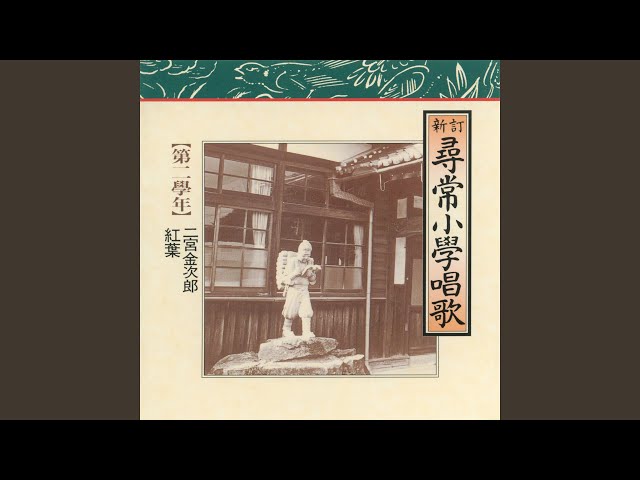
The phrase “ume ni uguisu” (plum blossoms and nightingales) was originally used in Japanese poetry and painting to mean a picturesque, well-matched pairing or to symbolize a close, harmonious relationship.
You can even find the motif on hanafuda playing cards.
“Ume to Uguisu” is a Ministry of Education song included in the 1911 collection Elementary School Songs for the Second Grade.
It depicts a peaceful scene where plum blossoms bloom along the garden hedge and a bush warbler arrives singing in a sweet voice, bringing the joyful sense that spring has come.
The seasonal changes that nature teaches us have a way of calming our hearts, don’t they?

Has the plum blossomed?

This song is also included on Hibari Misora’s 1958 album “Hibari Misora Hauta Collection.” “Ume wa Saita ka” is an Edo hauta based on the popular Meiji-era street song “Shongaebushi.” It depicts geisha through comparisons to seasonal flowers and gatherings, and today it’s known as an ozashiki song.
The lyrics, which portray the amorous affairs of geisha likened to plum blossoms and cherry blossoms, may drift further from a cheerful spring image the more deeply you delve into them.
Since there are many different lyrical variations, it’s fun to compare different versions.
Ski Song

When it comes to songs that evoke vast ski slopes and snowy landscapes, “Ski Song” comes to mind.
Created as a Japanese children’s song, it was also included in music textbooks.
It depicts the scene of gliding over a snow-white ground, resonating with a bright melodic line.
Seniors who have experience skiing may feel a sense of nostalgia.
With its lively rhythm, it’s the kind of piece that makes you want to sway side to side as if you’re skiing.
Try singing it together or clapping along to liven things up.
