

[2026] Bon Odori songs every child knows! A roundup of fun festival tunes


Bon Odori, a quintessential summer tradition! Festival stalls sell games and delicious food, making it hugely popular with kids.
Here, we’ll introduce a variety of wonderful Bon Odori songs—from tunes children already know to unique arrangements of J-pop and Western music.
Lots of new songs are appearing, too.
Don’t worry if you’re not sure about the dance steps—what matters is having fun.
Kids and adults alike, be sure to join in Bon Odori and make some great memories!
- Popular Festival Song Rankings [2026]
- Kids will love it! A collection of dance song ideas with easy-to-follow rhythms
- [Let's Enjoy Japanese Festival Songs!] Songs about festivals. Famous songs related to festivals.
- A classic song themed around a summer festival. A song of summer memories (2026).
- Recommended summer songs for kids: Popular J-POP/Japanese hits [2026]
- Popular Dance Songs Ranking [2026]
- What songs are popular among elementary schoolers? Well-known and sing-along favorites! [2026]
- Top Songs to Hype Up Sports Day and Athletic Festivals [2026]
- Japanese ondō: a seasonal tradition everyone can enjoy.
- Fun to dance! A roundup of recommended dance songs for young children, perfect for daycare and sports days
- Popular Songs Ranking for Toddlers
- Get pumped with kids’ favorite songs! A memorable collection of classics that will make you want to sing along
- Games that liven up festivals. Ideas that children can enjoy.
[2026] Bon Odori songs every kid knows! A fun roundup of festival tunes (61–70)
Osomatsu-kun Ondo

Fujio Akatsuka and Fujio Pro’s gag manga Osomatsu-kun.
The manga and an anime adaptation were released in the 1960s, and when the anime aired again in 2015 to commemorate Fujio Akatsuka’s 80th birthday, a new boom took off, especially among young women.
Chosen as the ending theme for the 1988 Osomatsu-kun anime—beloved across generations—was Osomatsu-kun Ondo, sung by Takashi Hosokawa.
The lyrics are unique, featuring the characters’ parts being swapped around.
Even if you’re not good at dancing, let the quirky lyrics guide you and dance freely!

Nippon Cha Cha Cha
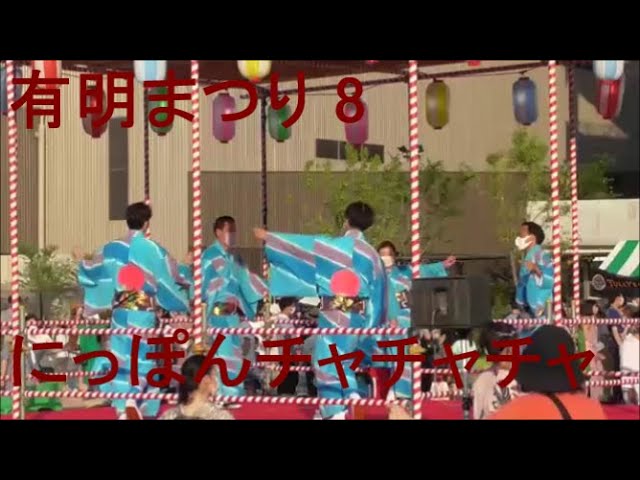
Are you familiar with the bright, rhythmic, and super catchy song “Nippon Cha Cha Cha”? Sung in 2006 by three young female vocalists—Chigusa Takehana, Akiko Omodaka, and Aya Kagayama—this piece humorously portrays Japan’s history and traditions while also conveying the importance of peace.
From Perry’s arrival in 1853 to the Pacific War and the 1964 Tokyo Olympics, it looks back on Japan’s path set to a fun melody.
The song was selected as the nationwide group dance piece for 2006 and became a favorite at Bon Odori festivals across the country.
With choreography anyone—young or old, men or women—can dance, it livens up festivals and events.
How about forming a circle with family and friends on a summer night and enjoying Bon Odori to this song?
Soma Bon Song
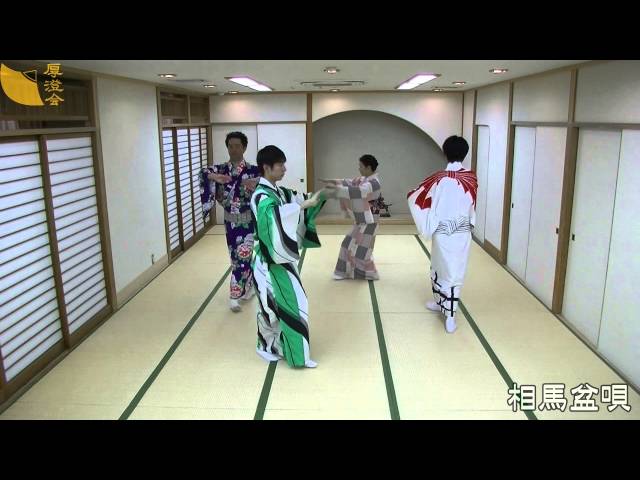
It is one of the folk songs handed down in the Soma region of Fukushima Prefecture.
Its roots appear to be in a “Hōnen Odori,” a dance once sung to thank the rice-field deity for a bountiful harvest.
This is also reflected in the opening lyrics.
Covered by major enka stars, “Soma Bon Uta” went on to gain nationwide recognition and popularity.

Awa Odori (Awa Dance Festival)
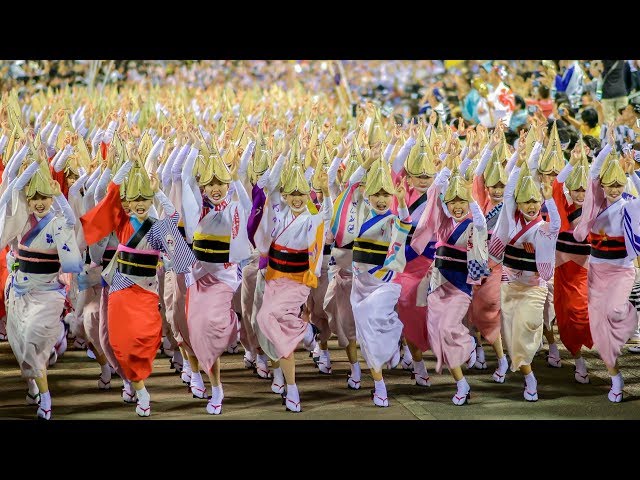
When it comes to Tokushima’s Awa Odori, it can be said to be one of Japan’s most iconic festivals.
A major attraction is the vibrant festival music played on traditional instruments known as narimono, such as flutes, drums, and shamisen.
This Awa Odori music is also incorporated into many Bon Odori events.
Bon Odori is all about enjoying dancing to any kind of music, and Awa Odori’s music fits perfectly too.
Dancing Hero

In 2017, “Dancing Hero” enjoyed a revival hit as the song for the “Bubble Dance” performed by the dance club of Osaka Prefectural Takaoka High School.
Originally released in 1985 as Yoko Oginome’s seventh single, it became a staple for school festivals and dance performances more than 30 years later.
What’s more, this song is even used for Bon Odori.
The anything-goes spirit is part of what makes Bon Odori so much fun, isn’t it?
Tokyo Ondo

It was originally a song called “Marunouchi Ondo,” used for a Bon Odori held in Hibiya Park, Tokyo, in 1932.
It’s also well known as a cheer song for the professional baseball team, the Tokyo Yakult Swallows.
It was recorded in 1933, became a huge hit, and spread throughout the country.
Mickey Ondo (Mickey Bon Dance Song)

A staple of Japanese summers, Bon Odori just isn’t complete without an ondo, right? And here we have the “Mickey Mouse Ondo,” inspired by none other than the American-born star, Mickey Mouse.
Just hearing the title makes you excited to know what kind of song it is.
Then when you listen, it’s a delightful surprise: lyrics that faintly recall the “Mickey Mouse Club March” blend with traditional Japanese sounds.
As expected from Disney, dancing to this tune seems like it would make your Obon feel wonderfully fantastical.
The uniquely Mickey-style choreography is great fun, too.
