

Japanese ondō: a seasonal tradition everyone can enjoy.

We’ve gathered classic and must-hear picks of traditional Bon-odori songs recommended by our studio staff—fun for everyone from adults to kids.
It’s a playlist sure to delight festival-loving Japanese listeners!
Japanese ondo: a seasonal tradition everyone can enjoy (1–10)
Jabu-Jabu Dancehibari jidō gasshōdan

When you hear the lyrics “Ah—jab-jab, ah—feels so good,” it’s the kind of bon dance tune that makes you want to do the laundry or hop in the bath.
Since it was featured on Minna no Uta, it seems like a fun song to sing with kids.
I’d love to listen to it in the summer when I want to feel refreshed.
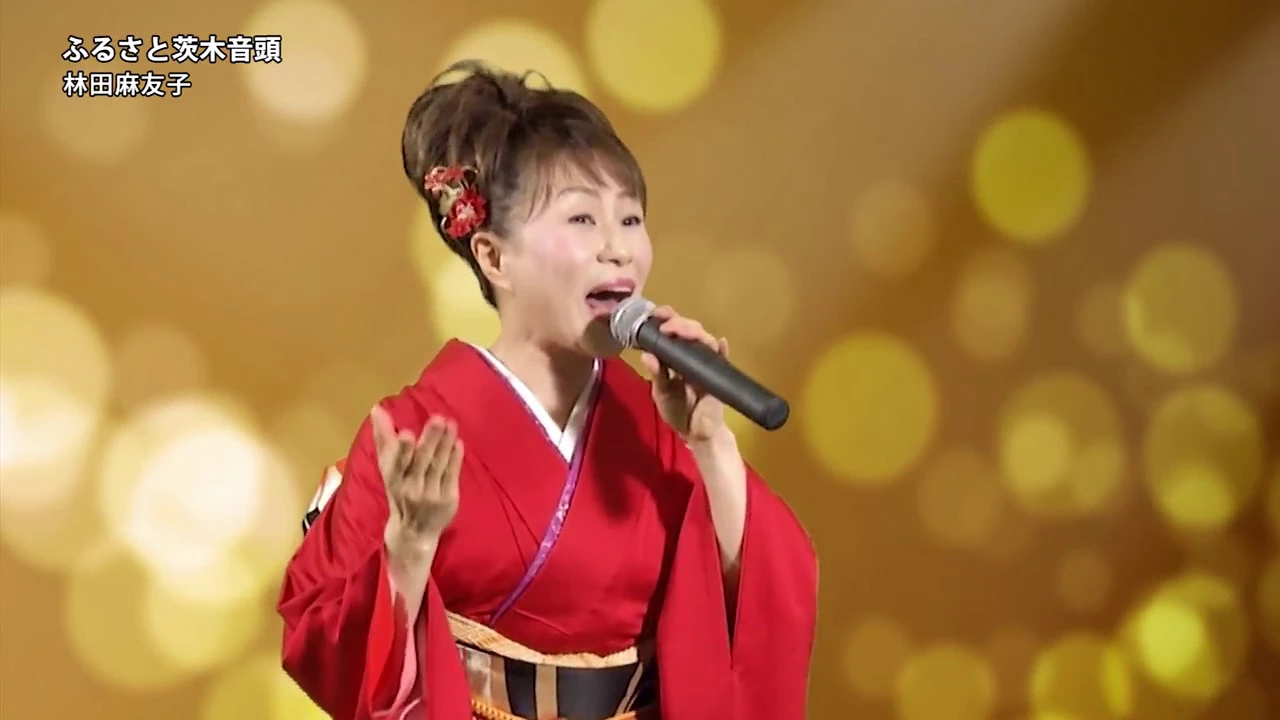
Hometown Ibaraki Ondo

Set in Ibaraki City, Osaka Prefecture, this is a heart-stirring original bon-odori song.
Featuring the vocals of Mayuko Hayashida, the piece stands out with its brisk tempo and familiar, catchy phrasing.
Just by listening, you can feel your body naturally start to move as if you were in the festival circle—such is its joy.
Woven into the lyrics are deep affection for one’s hometown and a warm message encouraging everyone to cherish and carry on local traditions together.
Performed for many years at the Ibaraki Festival, it has been embraced as a bon dance number that promotes the community.
For those connected to Ibaraki City, it may well evoke fond memories and images of the hometown landscape.
Drifters’ Vibanon OndoThe Drifters

The members of The Drifters really like ondo (traditional Japanese dance songs).
Cheerful ondo numbers suit them perfectly.
The phrase “Babanba Banbanban~” is so famous that there’s hardly anyone who doesn’t know it.
It’s fun how they sing while adding various call-and-response interjections.
Smile Ondoyuzu

Smile Ondo by the popular duo Yuzu.
This track is included on their fourth mini-album, Yuzu Smile.
The album is comprised of songs aimed at children.
It features bright, easy-to-sing lyrics, and because it was a limited-time release, it is now out of print.
Tokyo is the 7 o’clock at night Ondopichikaatofaibu

This song was born from the rather simplistic idea of turning “Tokyo wa Yoru no Shichiji” into a stylish bon-odori tune for some reason.
Of course, the lyrics aren’t like “Ha~ yoisho” or anything—they’re normal lyrics—so it has more of a groovy feel and not much of that traditional ondō vibe.
It’s the kind of track that makes you want to dance in a modest, slightly modern way.
Mushroom OndoKenmochi Yusuke

This is a summer Bon Odori song created by Hokuto, the mushroom company.
The choreography is by air:man.
You can enjoy a memorable music video featuring many kinds of mushrooms dancing.
Hokuto has also released another song called “Kinoko Taiso” (Mushroom Exercise).
Nuclear Power Plant Ondo (festival song)THE TIMERS

Here is “Nuclear Power Plant Ondo” from the collection of festival-chant songs by The Timers, a masked underground blues-rock band led by singer Kiyoshiro Imawano.
While the tune is very bright and cheerful, the lyrics deliver a scathing critique of the nuclear power-based social system.