

Japanese ondō: a seasonal tradition everyone can enjoy.

We’ve gathered classic and must-hear picks of traditional Bon-odori songs recommended by our studio staff—fun for everyone from adults to kids.
It’s a playlist sure to delight festival-loving Japanese listeners!
- [Let's Enjoy Japanese Festival Songs!] Songs about festivals. Famous songs related to festivals.
- [2026] Bon Odori songs every child knows! A roundup of fun festival tunes
- Popular Festival Song Rankings [2026]
- Folk songs you’ll want to sing at karaoke: classic and popular tunes everyone can enjoy
- “Japanese Traditions”: Japanese Festival Music (Jun Hōgaku)
- [For Kids] Fun Entertainment and Activities to Liven Up a Festival
- Lively songs recommended for people in their 90s—fun songs for everyone to listen to and sing together.
- [Sports Day] A roundup of popular Japanese songs perfect for mass performances [Athletic Festival]
- [For Seniors] Fun Activities That Liven Up Cool Evening Festivals and Summer Festivals
- A classic enka song with a festival theme. A lively and bustling tune.
- Classic enka songs perfect for summer—tunes that sing of festivals and fireworks.
- From classic folk dance staples to hidden gems. Introducing recommended tracks!
- Children’s Song Medley: A playlist of classic and popular hits everyone knows
Japanese Ondo: Seasonal traditions everyone can enjoy (21–30)
Let’s dance, Ondo!

This is a participatory Bon Odori song that everyone can enjoy moving their bodies to.
The comical vocals and lively rhythm combine to create an atmosphere that naturally makes you want to dance as you listen.
The choreography that matches the lyrics is easy to follow, making it perfect for getting everyone excited at preschools or local summer festivals.
With moves like fireworks and hand claps, you’ll listen on with anticipation, wondering what comes next.
The instrumental tones are vibrant, and the balance with the vocals is exquisite.
A major appeal is that children can shout along, move their bodies, and have fun together.
Whether dancing in yukata or hero costumes, this song lets you fully feel the bustle of summer.

Gosha Dance

A celebratory local chant that has been handed down at Hine Shrine in Izumisano City, Osaka Prefecture.
Its origins lie in the travel songs popular during pilgrimages to Ise in the Edo period.
In 1965, its name was chosen through public submissions from parishioners, and it was dedicated along with choreography.
It is characterized by an energetic style where drum rhythms and spirited calls blend as one.
Carefully preserved by the hands of local residents, it is truly a song imbued with the heart of their hometown.
Why not experience the fervor of Osaka’s festivals and the warm prayers of its people?
Katano-bushi

This is a traditional Bon Odori song from the Kawachi region, believed to have originated in the mid-Edo period.
It is also known as a root of the Kawachi Ondo.
Each locality has passed it down with slight variations in melody and dance, and its simple, rustic tone may evoke images of one’s hometown.
In October 2018, a recording titled “Katano-bushi ~ Ishikawa Goemon ~,” arranged with orchestral accompaniment, was released.
Furthermore, in 2025, as part of a project related to the Osaka-Kansai Expo, an up-tempo arrangement of this piece aimed at younger listeners was introduced.
It is a fascinating track that lets you experience both traditional timbres and contemporary arrangements.
Sumiyoshi Odori
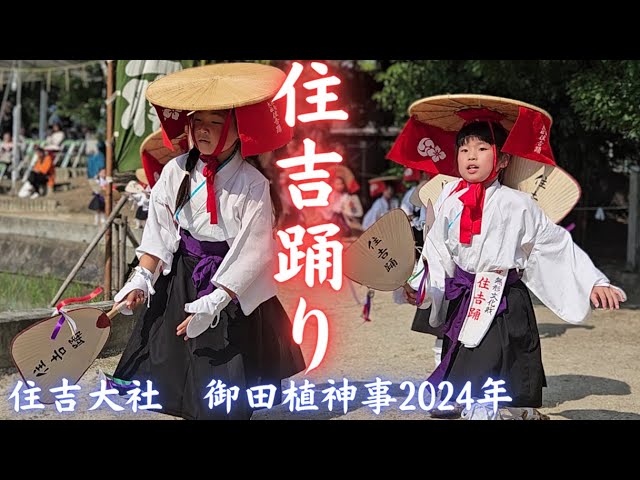
This is a sacred and dynamic dedicatory dance song that has been passed down at Sumiyoshi Taisha in Osaka.
The lively rhythms marked by shamisen and drums seem to embody the very prayers of people wishing for a bountiful harvest.
During the rituals, charming young maidens dance with fans in hand.
Their presence overflows with vitality even amid the solemn atmosphere, lifting the hearts of all who watch.
Why not experience its sacred resonance and feel the breath of Osaka’s long history?
Sano’s seduction

A richly narrative bon-odori song handed down since the Edo period in Izumisano City, Osaka Prefecture.
Its lilting 7-5 rhythm, delivered in a conversational style over shamisen and drum beats, resonates deeply.
It’s the kind of piece that makes you feel as if you’re watching a grand historical scroll unfold.
Highly regarded for its cultural value, it has been recognized as a component cultural property of Japan Heritage.
Why not give it a listen when you want to reflect on Osaka’s history and the lives of its people?
Makio Mountain Nobori-raising Ondo

One of the folk songs born in Izumi City, Osaka Prefecture, in the early Meiji period.
It is said to have begun as a travelers’ song sung while walking, with people raising banners during the public unveiling of sacred images at Makiōzan Temple.
A lively call-and-response overlays the cheerful Ise-ondo–style rhythm, conjuring up the bustling scene of a pilgrim procession.
The lyrics weave in local specialties like oranges, along with the scenery and atmosphere of the time, expressing affection for the region amid the merriment.
It may be the perfect piece when you want to attune your ears to Osaka’s long history and the prayers of the people who lived there.
Yokoyama Ondo

This is a bon odori song cherished in Kumatori Town.
Incorporating elements of joruri narrative music and kabuki, its lyrics weave in stories of pilgrims’ journeys and partings, evoking the lives of people in days gone by.
Over time, this ondo has evolved into a more danceable tempo—for example, tradition-bearer Kazuyoshi Kawai introduced the lively phrasing of the “Kawachi Ondo.” Perhaps its charm lies in the warm-hearted wish to let many people enjoy it while preserving tradition.