

[2026] Crowd-Pleasing Songs Recommended for People in Their 50s: A Collection of Nostalgic Classics

When we think of people in their 50s today, many likely spent their formative years during Japan’s musical golden era: late-1970s to 1980s TV shows like “The Best Ten,” the late-80s band boom, and the early-90s J-POP and trendy drama boom.
In this article, we’ll introduce high-energy songs that 50-somethings can enjoy and feel nostalgic about.
In the midst of busy, demanding daily life, music can bring back memories you’d almost forgotten.
We hope this article can be that spark for you!
It can also serve as a helpful guide for younger generations when choosing songs for karaoke with people in their 50s.
- [2026] Japanese karaoke songs that get men in their 50s pumped up
- Recommended for women in their 50s! A curated selection of classic and popular karaoke hits that will get the crowd going
- [For People in Their 50s] Karaoke Songs That Get the Crowd Going: Ranking [2026]
- [For People in Their 60s] Karaoke Songs That Get the Crowd Going: Ranking [2026]
- Coming-of-age songs for your 50s: heart-thumping × heartwarming classics and popular tracks [2026]
- [50s] Popular Song Ranking by Generation [2026]
- Dance music in Japanese (J-pop) that people in their 50s used to listen to. Nostalgic classic hits.
- [2026 Edition] Karaoke Songs That Will Get the Crowd Going—Perfect for Women in Their 40s
- [For men in their 40s] That nostalgic song you can enjoy at karaoke!
- For people in their 50s: Songs that make you want to sing—perfect for driving
- Good songs recommended for people in their 50s: classic and popular J-pop tracks.
- Famous songs we’d like women in their 50s to sing (by age group)
- [2026] A collection of autumn songs for people in their 50s. Showa-era classics that bring back memories of those days
[2026] Uplifting Songs Recommended for People in Their 50s: A Collection of Nostalgic Classics (181–190)
The rattlesnake is comingTonneruzu

With its cheerful, upbeat sound, this opening theme for the Fuji TV variety show “Tunnels’ Thanks to Everyone” captured the hearts of viewers.
Released by Tunnels in January 1992, the song brilliantly fuses Yasushi Akimoto’s clever wordplay with Tsugutoshi Goto’s lively melody.
At first glance it seems like a simple, fun story, but its lyrics are appealingly dual-layered, allowing for deeper, more adult interpretations.
Reaching No.
1 on the Oricon charts for the first time and selling 1.409 million copies, the song has been loved across borders, with covers in Hong Kong and Taiwan.
It’s the perfect track to liven up parties and gatherings, delivering a joyful moment that gets your body moving.
Minna no UtaSazan Ōrusutāzu
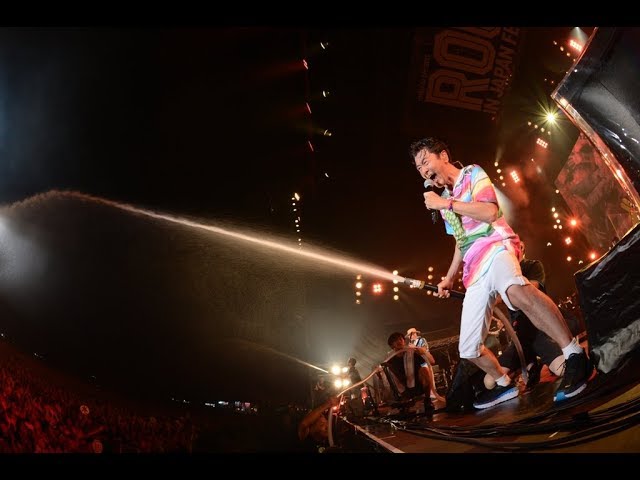
Here is a moving classic by Southern All Stars, released in 1988 to mark the 10th anniversary of their debut.
Although the band had been on hiatus since 1985, this song became a memorable track that essentially marked their comeback.
Starting with this song, producer and arranger Takeshi Kobayashi joined as a supporting member for Southern All Stars.
It also drew attention when Kazutoshi Sakurai of Mr.
Children covered it.
It’s a track that you can’t help but get excited about.

Dancing All Nightmonta & burazāzu

This song, the debut single by Monta & Brothers, was released in 1980.
Its arrangement, strongly influenced by Latin music, conjures up images of people dancing on the floor.
Many men now in their 50s probably imitated the husky vocals and sang this song when they were kids.
The single was also used in a commercial, sold two million copies, and topped the Oricon single sales rankings for the 1980s.
huge nuisanceyunikōn

A blissful newlywed life in a brand-new home is shattered by a sudden solo assignment away from the family…
This is a UNICORN song that portrays the sorrows and inner conflicts of a salaryman with plenty of humor.
Its dramatic melody, fused with orchestral elements, perfectly matches the song’s unique worldview, resulting in a masterpiece that sharply satirizes Japanese society during the bubble era.
Released in April 1989 as the lead single from the album “Hattori,” it reached No.
12 on the Oricon charts and remains immensely popular among fans.
With lyrics that empathize with the feelings of corporate warriors and a catchy, karaoke-friendly melody line, it’s perfect for gatherings where friends want to reminisce.
SWEET MEMORIESMatsuda Seiko

It’s her biggest hit among her slow ballads, released in 1985.
As a quintessential idol, she put her mature-woman persona front and center with this song, which surprised Seiko fans.
The commercial set in a jazz bar with an animated penguin singing the song also became a hot topic at the time because the singer’s name wasn’t shown on screen, leaving people wondering who was singing it.
The English lyrics in the second verse, delivered in her sweet voice, were also part of its charm.

Love Story Comes SuddenlyOda Kazumasa

Singer-songwriter Kazumasa Oda, who rose to popularity with his high-toned voice tinged with transience and his playful character, continues to be highly active today.
“Love Story wa Totsuzen ni,” written as the theme song for the quintessential trendy drama Tokyo Love Story, was originally included as the B-side to his sixth single, “Oh! Yeah!” Its airy, urban arrangement still feels timeless even now.
It’s a pop tune whose massive success makes perfect sense—the opening guitar alone brings back iconic scenes from the drama.

Time, stop.Yazawa Eikichi

Eikichi Yazawa, who has continued to lead Japan’s rock scene.
One of the songs he created as a tie-in with Shiseido is “Toki yo Tomare” (Stop, Time).
In the song, he uses the titular phrase to sing of a man’s love, wishing that a moment of happiness could last forever.
The sound—muscular yet somehow gentle—made a huge impact on music fans of the time who weren’t familiar with rock.
It’s also fun to compare it with the self-cover version he released later.
