

Coming-of-age songs for your 50s: heart-thumping × heartwarming classics and popular tracks [2026]


People currently in their 50s are the generation that experienced in real time the golden age of Japanese pop music: from the New Music boom of the 1970s–80s, to the band boom of the late ’80s to early ’90s, and the J-POP boom up to the early ’90s when countless million-selling hits were born.
This time, we’ve put together a collection of nostalgic hit songs from that era when Japan’s music industry shone so brightly.
I’m sure each of you has many memories tied to the songs introduced here.
In these times filled with gloomy news—prolonged COVID hardships, the situation in Ukraine, and more—please take a moment to immerse yourself in the atmosphere of those nostalgic days and enjoy.
- [50s] Popular Song Ranking by Generation [2026]
- [2026] Crowd-Pleasing Songs Recommended for People in Their 50s: A Collection of Nostalgic Classics
- [2026 Edition] Youth Anthems for Your 40s! A Roundup of Popular Heart-Pounding × Heartwarming Songs
- [2026 Edition] Songs Loved by People in Their 60s: Classic Hits from Their Youth
- [2026] Recommended Japanese karaoke songs for men in their 50s
- Dance music in Japanese (J-pop) that people in their 50s used to listen to. Nostalgic classic hits.
- Good songs recommended for people in their 50s: classic and popular J-pop tracks.
- Favorite Songs for Women in Their 50s: A Curated Selection of Sweet and Bittersweet Love Ballads!
- Cheer-up songs recommended for people in their 50s: classic and popular Japanese hits
- [2026] A collection of autumn songs for people in their 50s. Showa-era classics that bring back memories of those days
- Famous songs we’d like women in their 50s to sing (by age group)
- [For adults too] Youth songs that let you look back on your memories
- Popularity Ranking of Songs by Generation: 60s [2026]
Youth Songs for People in Their 50s: Heart-Pounding × Heart-Melting Classics and Popular Tracks [2026] (111–120)
HERO (The time to become a hero is now)Kai Band

It’s a classic that brings back the flutter of youth.
Released in February 1979 and featured in a Seiko commercial, this song is etched in many hearts as one of Kai Band’s signature tracks.
With its catchy melody and driving rhythm, the lyrics convey the fragility of life and the resolve to cherish every moment.
Included on the album “Yuuwaku” (Temptation), the track later inspired numerous cover versions, reflecting its immense influence.
When you find yourself at a crossroads in love or in life, listening to this song will surely give you courage.
It’s also a perfect recommendation for those discovering Kai Band for the first time.
It’s nothing good.Nagabuchi Tsuyoshi

The lyrics, sung over a simple 8-beat with lively acoustic guitar backing and a striking piano tone, depict the unique conflicts and restlessness of the teenage years, capturing young hearts across generations.
Released as a single in August 1987, this song served as the theme for the drama “Oyako Zigzag,” starring Tsuyoshi Nagabuchi himself.
It’s a classic with tremendous impact, featuring an ultra-famous chorus that’s practically beyond words and a section where he explodes with emotion and shouts the title.
It’s also a karaoke staple, so many people probably pick this one when they sing a Nagabuchi song.
Since it doesn’t require extremely high notes and is relatively easy to sing, it’s all the more important to go all-in and channel Nagabuchi as you perform!
Lonely Tropical FishWink

Released in 1989, this song is Wink’s fifth single.
It was used in a headphone stereo commercial, became a hit, and was the song that brought Wink into the public eye.
The choreography was distinctive and generated buzz.
By singing deliberately without expression, they made the unit Wink especially memorable.
That coolness likely matched the song’s concept.
It remains a popular choice for karaoke, especially among people in their 50s.

Roppongi HeartbreakAn Ruisu

This was Ann Lewis’s 24th single in total, released in October 1984.
It was a huge hit that sold nearly 300,000 copies at the time.
From the mid-1980s, when this track came out, Japanese HM/HR bands began gaining attention, leading to what later became the so-called “Japa-Metal” boom.
Even on this song, Ann Lewis incorporated distorted, overdriven guitar sounds, showcasing her foresight as an artist.
As of September 2022, many women in their 50s may well have experience performing or singing this song in cover bands.
Please enjoy it while weaving in your own memories!

TRAIN-TRAINTHE BLUE HEARTS

A rock tune that stays close to each listener and keeps delivering a powerful message.
With its straightforward spirit and energetic performance, this is a signature work by THE BLUE HEARTS that truly breaks through.
Hidden within are hints for finding your own way of life—guidance for the road of life.
After its release in November 1988, it ranked for five consecutive weeks on a TBS music program, and starting in January 1989 it was also chosen as the theme song for the TBS drama “High School Graffiti.” This track has become a staple at sporting events as well, used as a cheer song in high school baseball and as walk-up music by many professional baseball players.
It’s recommended for times when you’re feeling down, ready to take a new step forward, or standing at a crossroads in life.
It’s a song that’s sure to give you courage and hope.
Embracing SummerTUBE
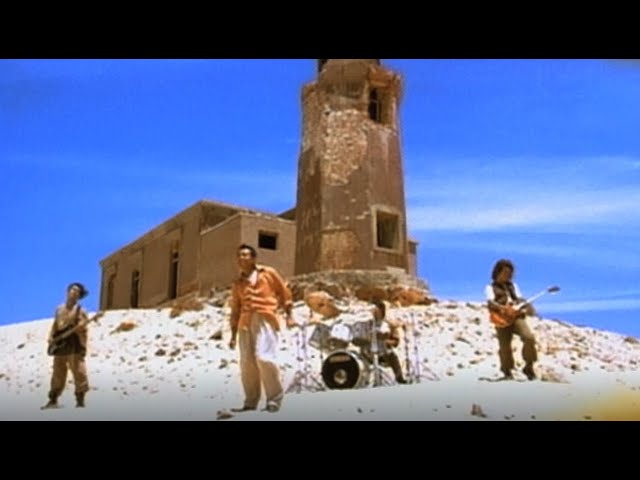
With a sound that evokes clear blue skies and a shining sun, this is a quintessential summer song from TUBE.
It conveys a love so intense it keeps you awake at night, expressed through passionate lyrics and melody.
The protagonist’s once-in-a-lifetime feelings are sure to stir memories of bittersweet love that many have experienced.
Released in May 1994, this smash hit topped the Oricon charts and sold 940,000 copies.
It was also featured in a Toyota Corolla Ceres commercial and has become a karaoke staple loved by many.
It’s the perfect track to share with close friends or colleagues as you reminisce and look back together on life’s milestones.
Cherry Blossom Timeaiko

A beautiful song by aiko that vividly captures the budding feelings of love that come with the arrival of spring.
Her gentle voice and flowing melody blend pleasantly, making it perfect for the spring season.
Released in February 2000, the song gained recognition after being featured in a Calpis Water commercial and was also included on the album “Under the Cherry Tree.” Tenderly singing about the courage to look toward the future and the feelings for a loved one, this is a track you’ll want to listen to when you want your heart to feel as clear as the spring sky.