

Coming-of-age songs for your 50s: heart-thumping × heartwarming classics and popular tracks [2026]


People currently in their 50s are the generation that experienced in real time the golden age of Japanese pop music: from the New Music boom of the 1970s–80s, to the band boom of the late ’80s to early ’90s, and the J-POP boom up to the early ’90s when countless million-selling hits were born.
This time, we’ve put together a collection of nostalgic hit songs from that era when Japan’s music industry shone so brightly.
I’m sure each of you has many memories tied to the songs introduced here.
In these times filled with gloomy news—prolonged COVID hardships, the situation in Ukraine, and more—please take a moment to immerse yourself in the atmosphere of those nostalgic days and enjoy.
- [50s] Popular Song Ranking by Generation [2026]
- [2026] Crowd-Pleasing Songs Recommended for People in Their 50s: A Collection of Nostalgic Classics
- [2026 Edition] Youth Anthems for Your 40s! A Roundup of Popular Heart-Pounding × Heartwarming Songs
- [2026 Edition] Songs Loved by People in Their 60s: Classic Hits from Their Youth
- [2026] Recommended Japanese karaoke songs for men in their 50s
- Dance music in Japanese (J-pop) that people in their 50s used to listen to. Nostalgic classic hits.
- Good songs recommended for people in their 50s: classic and popular J-pop tracks.
- Favorite Songs for Women in Their 50s: A Curated Selection of Sweet and Bittersweet Love Ballads!
- Cheer-up songs recommended for people in their 50s: classic and popular Japanese hits
- [2026] A collection of autumn songs for people in their 50s. Showa-era classics that bring back memories of those days
- Famous songs we’d like women in their 50s to sing (by age group)
- [For adults too] Youth songs that let you look back on your memories
- Popularity Ranking of Songs by Generation: 60s [2026]
Youth Songs for People in Their 50s: Heart-Pounding × Heart-Melting Classics and Popular Tracks [2026] (111–120)
Cactus Flowerchūrippu

A poignant love song themed around parting and renewal with a loved one.
Sparked by a small incident one day, the girlfriend storms out of the room; from there, the lyrics delicately depict the scene of the room left behind and the man’s inner feelings.
Gentle lines evoke everyday images—the snowy view from the window, a half-knitted glove, laundry—rising vividly to the mind.
Released in February 1975, this work is cherished by many fans as one of Tulip’s signature songs.
It drew renewed attention as the theme song for the 1993 TV drama “Under One Roof,” making it widely known among younger generations as well.
Its beautiful melody, conveying both the pain of heartbreak and a sense of hope, carries a universal message that resonates with the heart.
It’s the perfect song for looking back on a bygone romance or deepening your feelings for someone special.
Youth songs for people in their 50s: Heart-thumping × heartwarming classics and popular tracks [2026] (121–130)
Stars on EarthNakajima Miyuki

As a grand anthem casting light on an era without hope, the feelings Miyuki Nakajima delivered to people’s hearts continue to shine.
She wove together a message that resonates deeply, portraying the struggles of unsung heroes buried in everyday life through expressions likening them to stars and celestial bodies.
The powerful rock-infused sound and striking melodic line brilliantly convey a majestic worldview.
Released in July 2000, the song was chosen as the theme for NHK’s “Project X: Challengers,” and it was etched into the memories of many along with the program.
During the 2002 Kōhaku Uta Gassen, it was performed via a live broadcast from the Kurobe Dam, achieving the highest singer-specific rating of the program.
It’s a song I wholeheartedly recommend to anyone seeking energy for tomorrow or wishing to cheer on the efforts of those around them.
Rainy BlueTokunaga Hideaki

The debut song by Hideaki Tokunaga, a poignant love story that begins in a late-night phone booth.
Its lyrics—quintessentially Showa—paint cinematic scenes of urban stillness and rain, perfectly intertwined with delicate, emotionally rich vocals to create a gem of a track.
Released in January 1986, it reached No.
90 on the Oricon charts.
A rearranged version released in November 1997 rose to No.
31, capturing the hearts of many.
By portraying heartbreak and loneliness as universal themes, it remains a beloved classic that resonates even today.
It’s the kind of bittersweet love song you’ll want to play on a rainy day—why not give it a listen?
I won’t fall in love anymore.Makihara Noriyuki
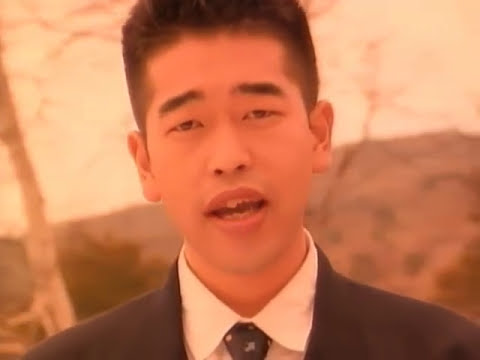
A signature song by Noriyuki Makihara, distinguished by its heartwarming melody that embraces both the ache of heartbreak and a brave front.
It gently portrays memories of a former lover and the nostalgia of everyday life, while the protagonist’s resolve to move forward resonates deeply with listeners.
Released in May 1992, it was chosen as the theme song for the NTV drama “After the Children Are Asleep.” Included on the album “Kimi wa Boku no Takaramono,” it became a major hit, ranking 7th on Oricon’s year-end chart.
This piece is a companion for those standing at life’s crossroads.
When you gather with friends for karaoke, its universally relatable lyrics and melody are sure to warm the heart.
Pink sighTakahashi Mariko
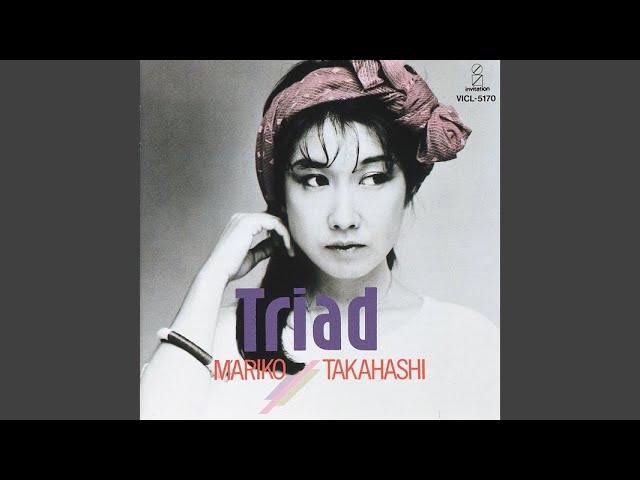
It is a masterpiece that fuses an exotic, Mediterranean-like atmosphere with an urban, sophisticated sound.
The song dreamily portrays a woman who blossoms like a flower when embraced by her lover, expressing both the beauty and the fragility of love.
Mariko Takahashi’s delicate yet powerful vocals further deepen the work’s unique world.
Released in May 1984 as the commercial song for Sanki’s “Camellia Diamond,” it was also included on the album Triad.
Highly acclaimed—including winning the Lyrics Award at the 26th Japan Record Awards—it became a long-running hit.
With a quiet mood that hints at hidden passion, this is a perfect track for spending peaceful moments with someone special.
I don’t want to let go.T-BOLAN

Known as a classic ballad that sings of a bittersweet love, this piece is one of T-BOLAN’s signature songs, highlighted by vocalist Arashi Moritomo’s emotionally rich performance.
Released in August 1996, it was used as the ending theme for TV Asahi’s ‘’92 Paris–Le Cup’ and as an insert song in the Kansai TV/Fuji TV drama ‘Hotel Woman.’ The lyrics—expressing a powerful love for someone and a heartfelt wish not to be separated from them—resonate with many listeners.
It’s a recommended track for times when you want to heal the pain of heartbreak or reaffirm your feelings for someone special.
Lovers’ PavementTHE ALFEE
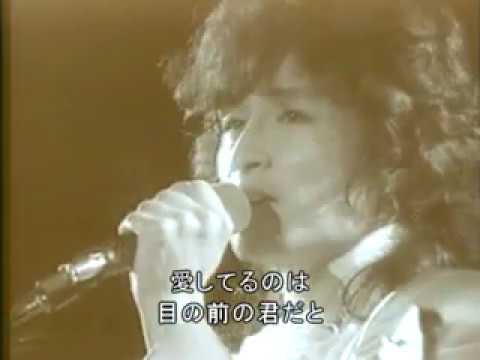
Released in 1984, this is THE ALFEE’s 19th single and their first to reach No.
1 on the Oricon chart.
Some of you may remember it being used in a Glico TV commercial.
Takanori Takamizawa’s poignant high-tone vocals, as the sole lead singer on this track, leave a strong impression.
Alongside “Mariann” and “Hoshizora no Distance,” it is a beloved classic that enjoys enduring support from fans.
The warm feelings of a man who promises to keep protecting only you and wants you to rely on him resonate gently and comfortably through the tender singing voice.
