

Obscure fish kanji. Can you read them?

I’ve gathered a collection of hard-to-read kanji for fish! How many can you read? The best-known fish kanji include things like 秋刀魚, 鮎, and 鮭.
I’m sure many of you recognized those right away.
But this article features difficult kanji.
Many of them are hard to read unless you know the origin of the characters or the fish’s ecology.
That said, some can be guessed with a flash of insight, so please give it a try.
Even kanji that are hard to memorize can stick once you learn their origins and meanings.
- Quiz on various kinds of fish
- A quiz of interesting obscure kanji: characters that look easy but are hard to read
- The world’s toughest! A collection of insanely hard-to-read kanji
- [For Seniors] Looks readable but you can't read it! Fish Kanji Quiz
- A quiz on how to read obscure kanji: words that become difficult when written in kanji.
- How many can you read? A quiz on difficult kanji for foods
- [Hard-to-Read Quiz] Single-character difficult kanji — including surprisingly simple ones!
- What animal is this kanji? A quiz on difficult animal kanji.
- One-character difficult kanji quiz: a multiple-choice (3 options) game to learn the readings of challenging kanji
- [Knowledge Expander!] A Three-Choice Quiz about Fish for Elementary School Students
- Can You Read These? Quiz on Kanji with Many Strokes
- The world’s fewest: A collection of one-stroke kanji. Learn them in a quiz format!
- [Interesting] Summary of Kanji Reading Quiz Questions
Obscure kanji for fish. Can you read them? (1–10)
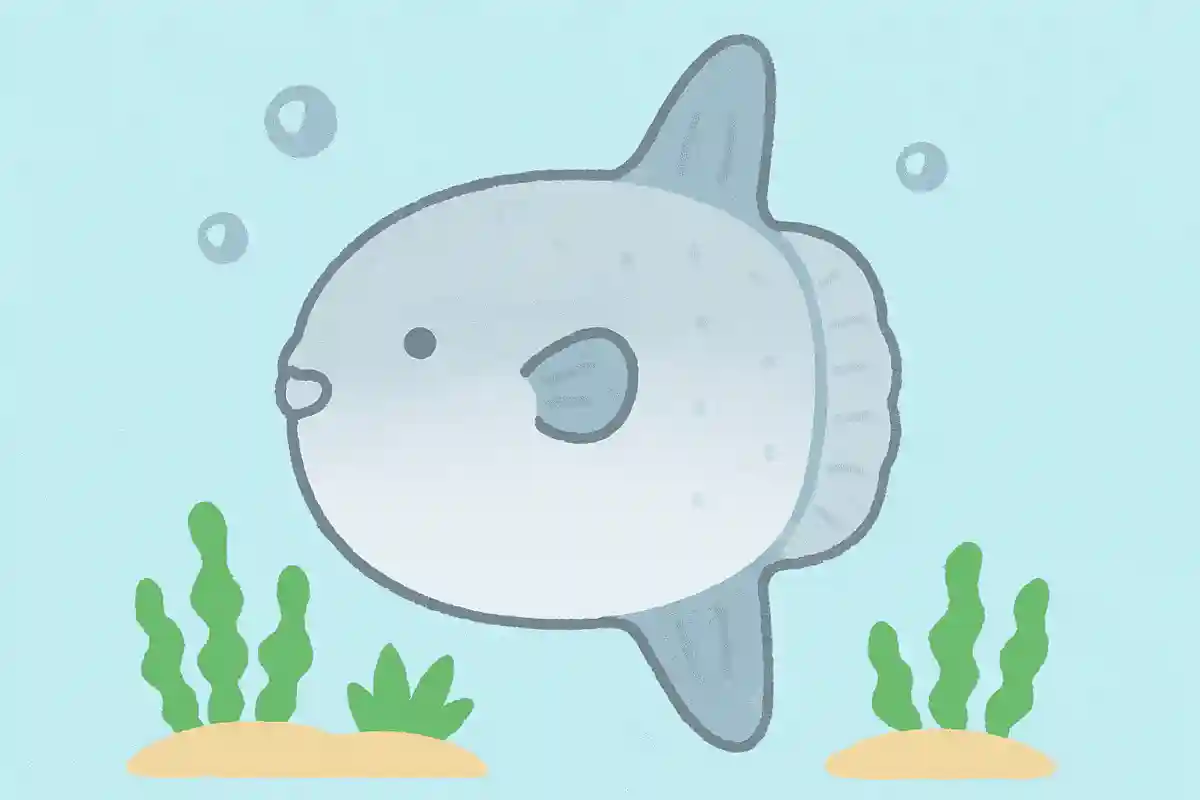
ocean sunfish
See the answer
ocean sunfish
The ocean sunfish you often see at aquariums. It has a distinctive, unique appearance, but in fact it’s a very sensitive fish. It’s also sometimes written as “曼波魚.” The word “翻車” refers to a waterwheel, and it can also mean an overturned wheel. It might indeed resemble the shape of a sunfish.

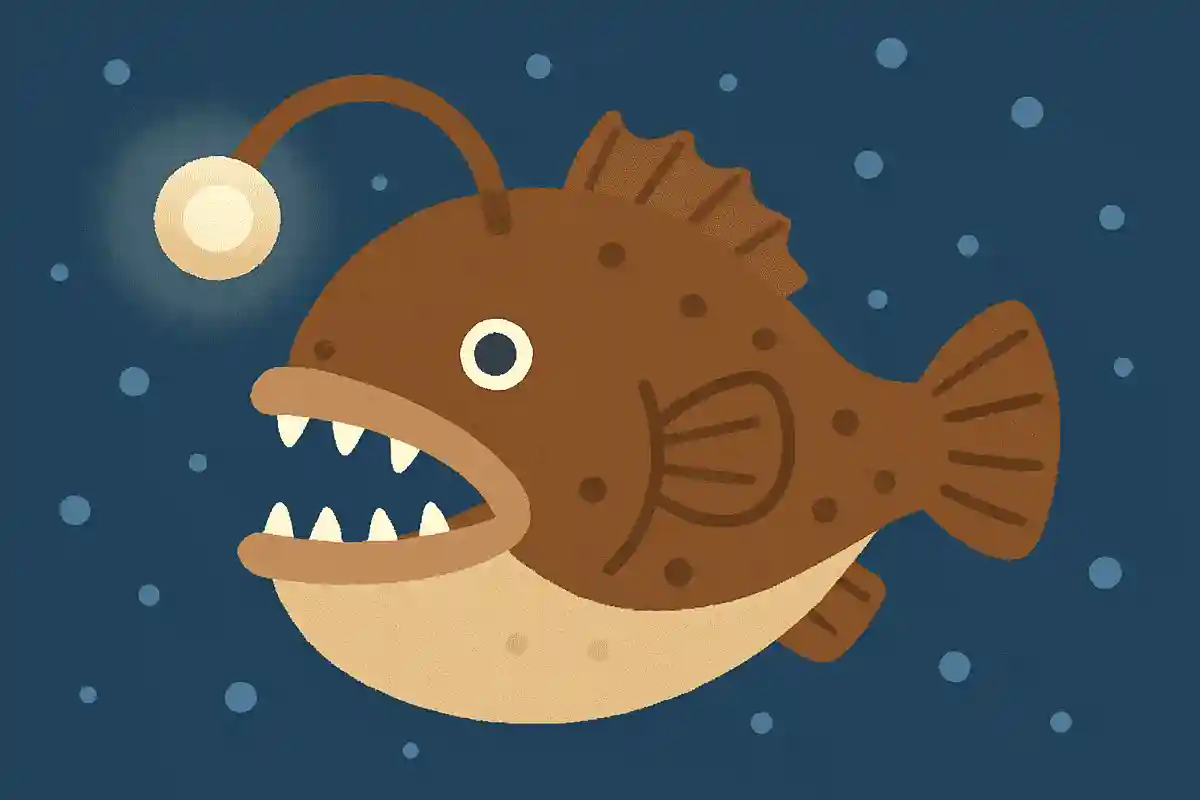
anglerfish
See the answer
monkfish
In fact, anglerfish aren’t good at swimming. I’ve heard the kanji are ateji (phonetic characters). The fish radical was added to the characters for “peace” and “health,” inspired by the sound of ankō. There are various theories about the origin of the name, but it’s commonly said to come from angō, a dialect word for toad, which resembles it in appearance.
Japanese amberjack (yellowtail)
See the answer
gurnard
The gurnard, known for its distinctive appearance with large pectoral fins and also regarded as a high-end fish. The origin of its kanji is unclear, but as for the name “hōbō,” there’s a theory that it comes from the sound of its call produced using its swim bladder. Another way to write it in kanji is 「魴鮄」.
Obscure fish kanji. Can you read them? (11–20)
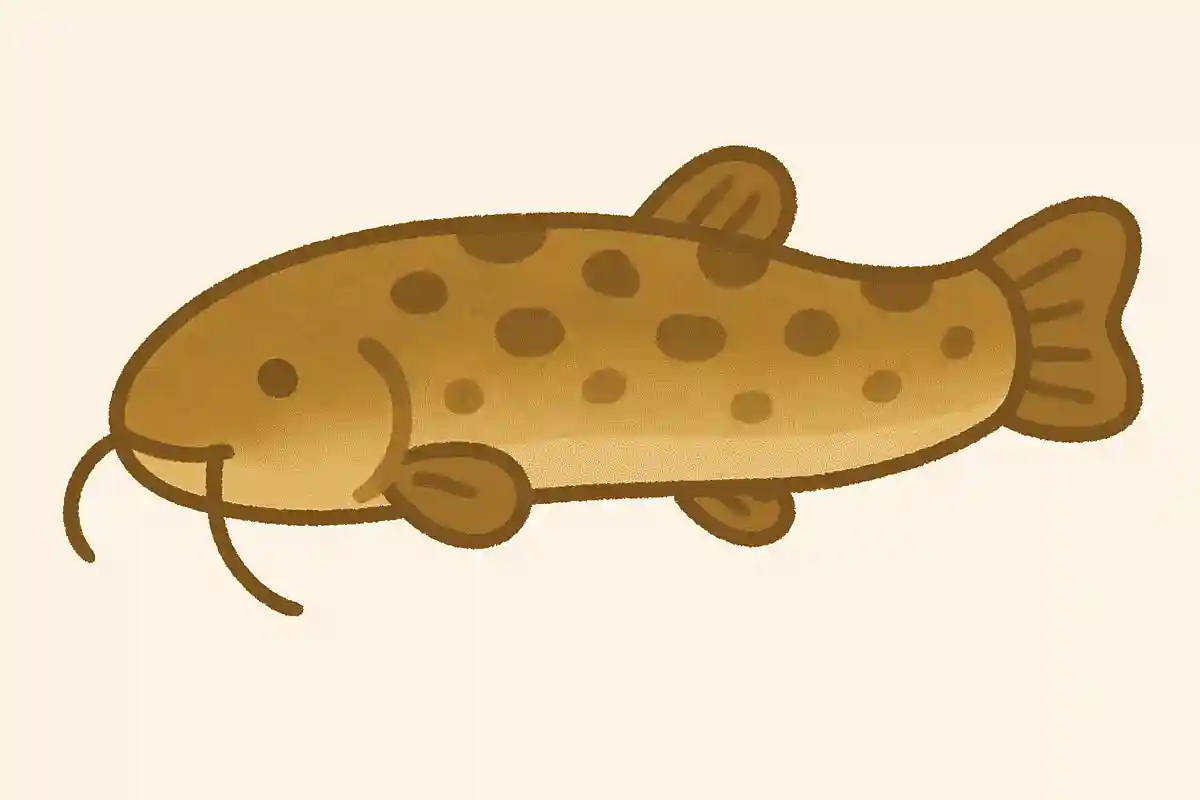
loach
See the answer
loach
Loaches are often associated with being fish in rice paddies. I’ve heard that the character 酋 in the word 鰌 carries the meaning of “earthworm,” so the kanji 泥鰌 literally represents an earthworm in the mud. A loach isn’t an earthworm but a freshwater fish, yet because they look so similar, it’s easy to see why the association was made!
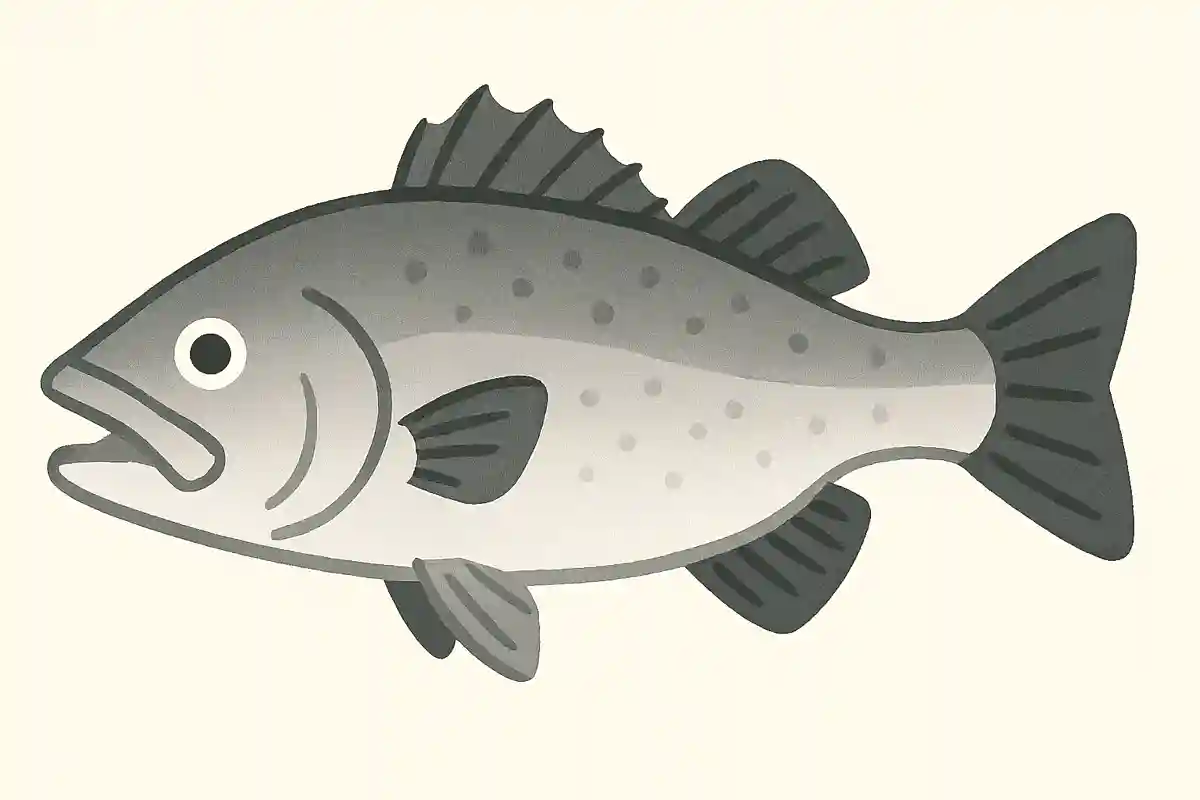
sea bass
See the answer
Suzuki
It’s a fish known as a “shusse-uo,” or a fish whose name changes as it grows. Yellowtail and mullet are other examples of shusse-uo. As for the name’s origin, there are various theories—for instance, that it became “suzuki” because of its beautifully pure whiteness, like something rinsed clean.
mullet (fish)

See the answer
mullet
The mullet, also known as a “shusse-uo” (a fish that is called by different names as it grows). Incidentally, a fully mature mullet is called todo. There are various theories about the origin of its kanji, but it’s said that this character may be used because the body is dark and the fry have fat in their bellies.
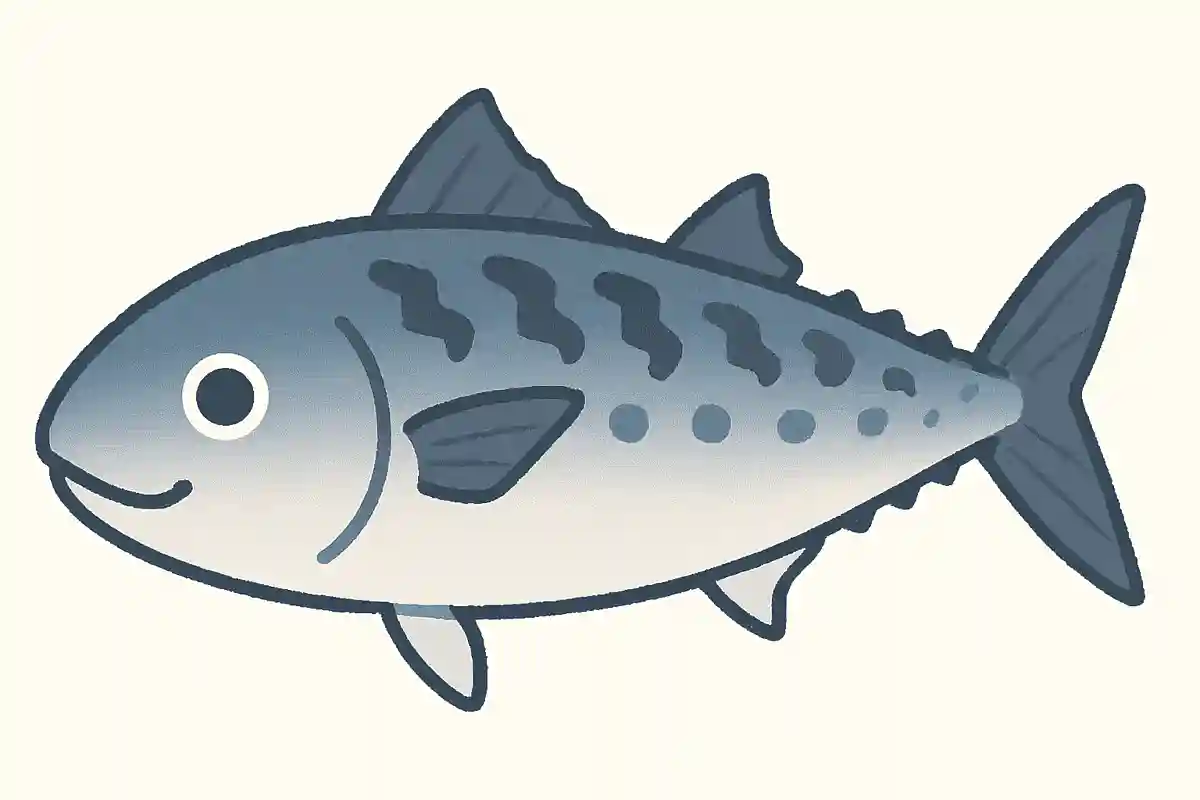
Spanish mackerel
See the answer
Spanish mackerel
Spanish mackerel is famous as a fish that’s in season in spring. If you knew that, you might have guessed it the moment you saw these kanji. Sawara means “narrow belly.” It comes from the fish’s long, slender appearance. Female sawara are actually larger than the males.