

Obscure fish kanji. Can you read them?

I’ve gathered a collection of hard-to-read kanji for fish! How many can you read? The best-known fish kanji include things like 秋刀魚, 鮎, and 鮭.
I’m sure many of you recognized those right away.
But this article features difficult kanji.
Many of them are hard to read unless you know the origin of the characters or the fish’s ecology.
That said, some can be guessed with a flash of insight, so please give it a try.
Even kanji that are hard to memorize can stick once you learn their origins and meanings.
- Quiz on various kinds of fish
- A quiz of interesting obscure kanji: characters that look easy but are hard to read
- The world’s toughest! A collection of insanely hard-to-read kanji
- [For Seniors] Looks readable but you can't read it! Fish Kanji Quiz
- A quiz on how to read obscure kanji: words that become difficult when written in kanji.
- How many can you read? A quiz on difficult kanji for foods
- [Hard-to-Read Quiz] Single-character difficult kanji — including surprisingly simple ones!
- What animal is this kanji? A quiz on difficult animal kanji.
- One-character difficult kanji quiz: a multiple-choice (3 options) game to learn the readings of challenging kanji
- [Knowledge Expander!] A Three-Choice Quiz about Fish for Elementary School Students
- Can You Read These? Quiz on Kanji with Many Strokes
- The world’s fewest: A collection of one-stroke kanji. Learn them in a quiz format!
- [Interesting] Summary of Kanji Reading Quiz Questions
Obscure fish kanji. Can you read them? (11–20)
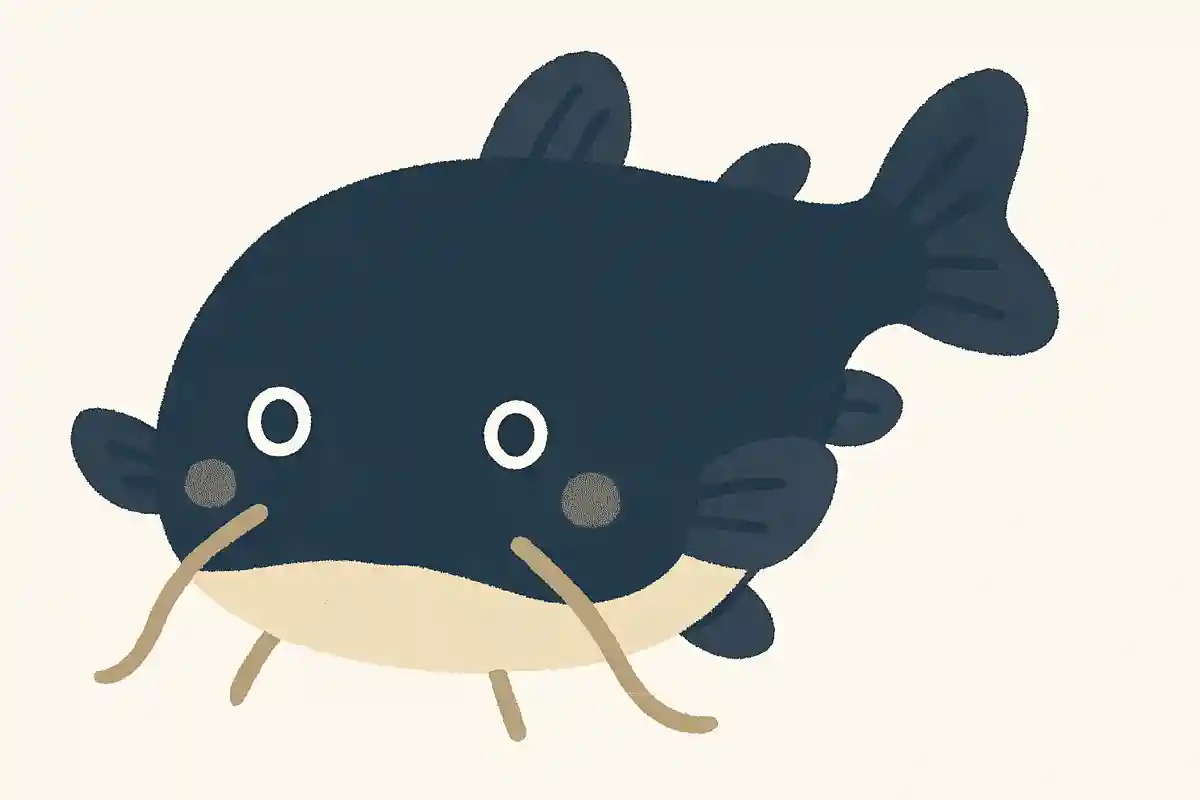
catfish
See the answer
catfish
Catfish have smooth, slippery bodies without the distinctive scales of most fish. The character 念 includes the meaning “to be sticky,” and it is said to have been used in reference to the catfish’s slick, viscous feel. In China, the character 鮎—which is read as ‘ayu’ (sweetfish) in Japanese—is used to mean ‘catfish.’

In conclusion
We introduced some difficult kanji for fish names. Even if you’ve seen the fish before, many people don’t know the kanji for them. You probably discovered something new, thinking, “So that’s how it’s written!” There are many more tricky fish kanji out there, so if you’re interested, be sure to look them up. Once you start, it’s surprisingly fun!